
Lobsters defy conventional aging, continuously producing telomerase that keeps their cells youthful and reproductive well into old age. Despite their biological advantages, lobsters ultimately face mortality due to the physical challenges of molting as they grow larger.

In a world where aging is an inevitable part of life, one creature defies the rules of biology: the lobster. These fascinating crustaceans seem to possess a secret to eternal youth, raising questions about the very nature of life and death.
What if I told you that lobsters can grow indefinitely, resisting the ravages of time that claim other species? This astonishing phenomenon has captivated scientists and sparked debates about the limits of lifespan in the animal kingdom.
Lobsters are not your ordinary marine animals. Unlike most creatures that age and deteriorate, lobsters continue to grow throughout their lives. Their cells exhibit little to no signs of aging, allowing them to remain robust and fertile well into their later years.
Imagine a 90-year-old lobster that can still outpace its younger counterparts, defying the natural order of life. This strange reality has led researchers to question: why don’t lobsters age like other animals?
The answer lies in a remarkable enzyme called telomerase. In most organisms, telomerase activity diminishes as they reach adulthood, leading to cellular aging and eventual death.
However, lobsters produce telomerase continuously throughout their lives, which helps maintain the integrity of their DNA.
Each time a cell divides, the tips of its DNA strands, known as telomeres, shorten. When these telomeres become too short, cell division halts, resulting in aging and deterioration.
But lobsters keep their telomeres intact, enabling their cells to divide cleanly and efficiently, thus avoiding the breakdown that typically accompanies aging.
This biological anomaly has led to the popular notion that lobsters are immortal. While they are not truly immortal, their bodies do not age in the same way that mammals do.
Lobsters do not suffer from age-related diseases, and their reproductive capabilities remain intact throughout their lives. In theory, if left undisturbed by predators or disease, lobsters could live indefinitely. But what ultimately brings them down if not old age?
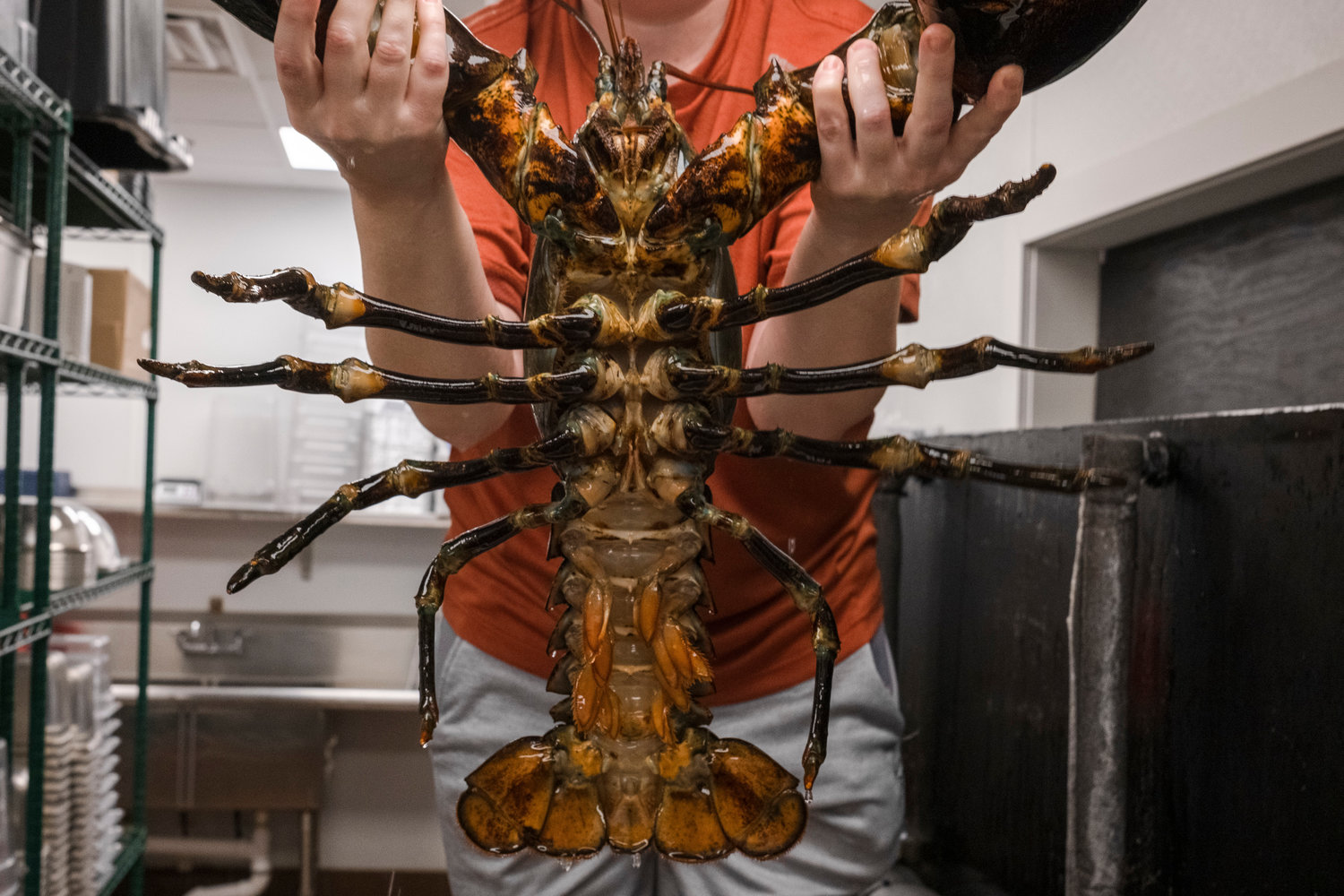
The answer is surprisingly simple yet dark. Lobsters are encased in a hard outer shell known as an exoskeleton, which protects them from predators but also limits their growth.
To increase in size, lobsters must undergo a process called molting, where they shed their old shell and grow a new, larger one. However, as lobsters age, this process becomes increasingly challenging.
Their shells thicken, making it harder to break free from the confines of their old exoskeleton.
Molting is not just a physical challenge; it is also an energy-intensive process. Older lobsters may struggle to molt successfully, leading to dire consequences. If a lobster fails to shed its shell, it can become trapped, leaving it vulnerable to disease and predation.
Moreover, the energy demands of molting increase with age, and eventually, some lobsters stop molting altogether—not by choice, but because their bodies can no longer muster the energy required for the process.
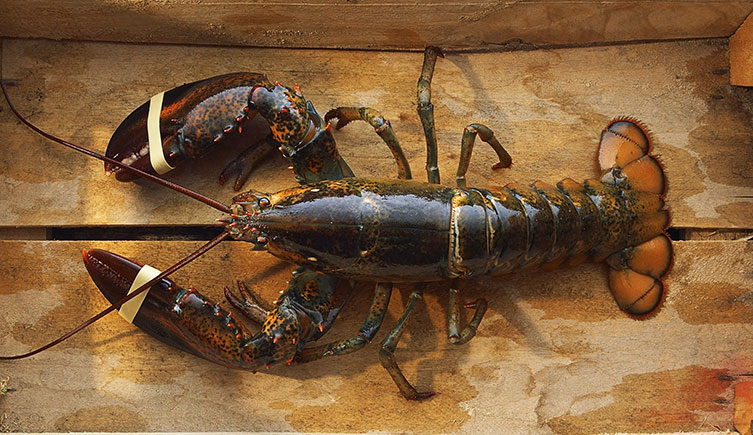
As lobsters grow older, their molting cycles lengthen, and the risks associated with each molt escalate. Young lobsters may molt several times a year, but by the time they reach 50, 70, or even 100 years, it may take them years to prepare for a single molt.
Without a new shell, they become stuck in a rigid frame, unable to grow or move properly. This stagnation leaves them susceptible to infections and internal collapse.
Autopsies of older lobsters reveal alarming signs of deterioration, including shell disease and muscular atrophy. These issues do not manifest during their prime years, indicating that while their biological systems may still be functioning, the infrastructure supporting them is failing.
The irony of the lobster’s so-called immortality becomes apparent: they do not age out; they max out. Their growth is ultimately limited by the physical constraints of their environment.
Interestingly, some lobsters do reach astonishing sizes and ages. The largest lobster ever recorded weighed over 44 pounds and measured more than 3.5 feet long, with scientists estimating it was at least 100 years old.
Such colossal creatures, however, often show signs of severe wear and tear, including scarred shells and missing limbs. These ancient lobsters are not the invincible sea warriors one might imagine; they are frail giants, one failed molt away from death.
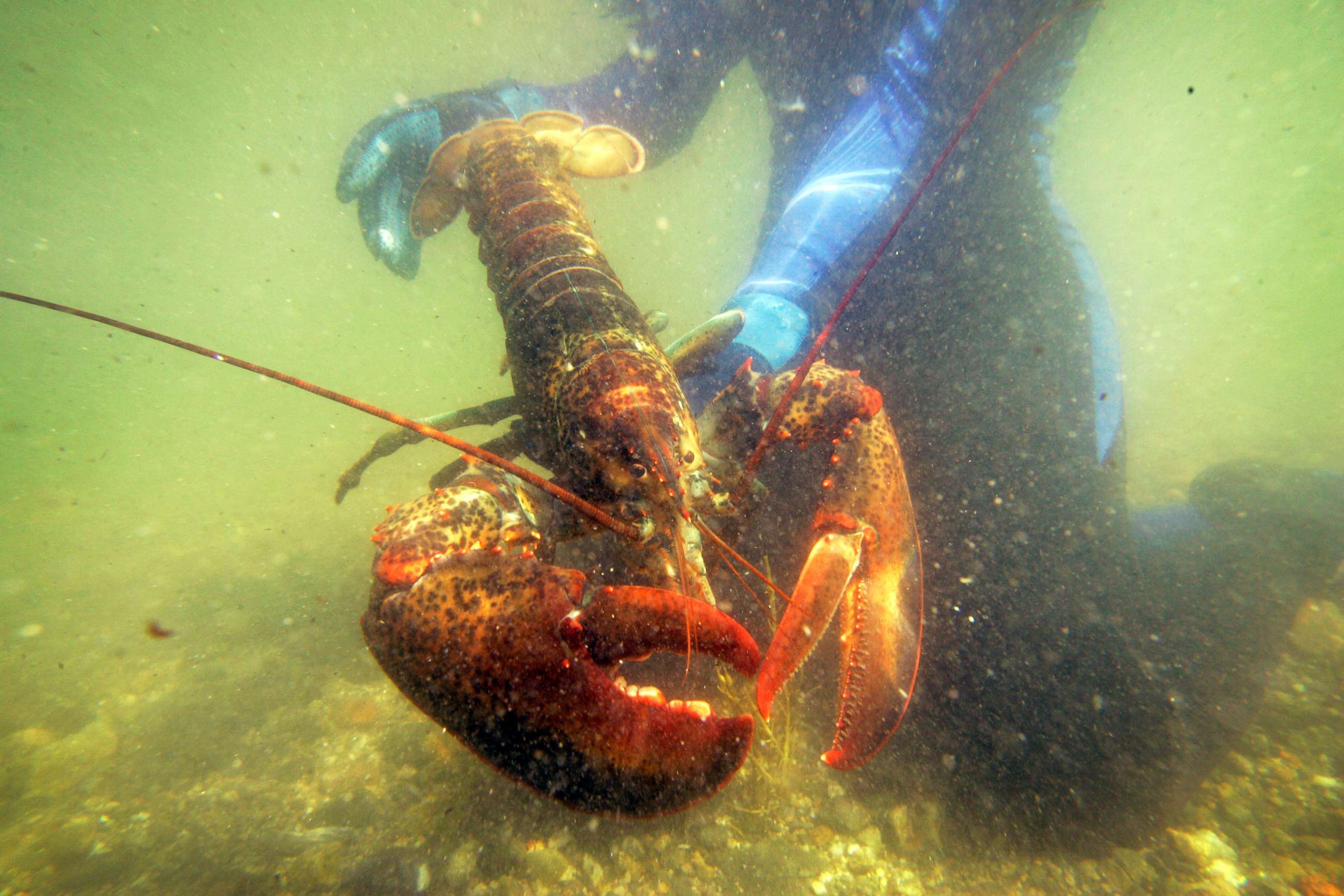
One notable example is George, a lobster believed to be around 140 years old when caught off the coast of Newfoundland.
After a public outcry, George was released back into the ocean, but marine biologists noted that his age and size likely meant he was nearing the end of his natural lifespan.
In cases like George’s, the inability to molt successfully becomes a death sentence.
While lobsters can survive for decades and grow to impressive sizes, their real average lifespan is much shorter—around 31 years for males and 54 years for females.
This revelation underscores the delicate balance of life in the ocean. The truth is that even the most extraordinary creatures are bound by the laws of nature. For lobsters, the rule is simple: if you can’t molt, you can’t live.
So, the next time you ponder the mysteries of life and death, consider the lobster—a creature that challenges our understanding of aging and immortality.
Their incredible biology raises profound questions about the nature of existence, reminding us that even in the depths of the ocean, life follows its own set of rules.
The lobster’s story is a testament to nature’s complexity, a narrative of resilience and vulnerability intertwined in the quest for survival.
News
Doomsday From the Sky: The Shocking New Timeline of the Day the Dinosaurs Were Erased
A reconstructed scientific timeline details the minute-by-minute destruction unleashed when the Chicxulub asteroid struck Earth 65 million years ago. …

Descubrimiento de una Civilización Perdida Bajo Angkor Wat: Un Enigma Científico
A vast urban network buried beneath Angkor Wat has been revealed through LiDAR and radar imaging, uncovering roads, canals, reservoirs,…

Palace Denies Prince Harry Informed Them About Canada Trip, but His Team Says He Did
Prince Harry traveled to Canada for Remembrance Day events, surprising Buckingham Palace aides despite his team claiming they informed them….

Exiled and Exposed! Former Prince Andrew Spotted Riding Alone at Windsor as Royal Titles Erased and Falklands Honors Vanish!
Former Prince Andrew was spotted horseback riding at Windsor Castle for the first time since losing his royal titles and…

BBC Issues Rare Apology to Kate Middleton After Remembrance Broadcast Backlash
The network received criticism over the Princess of Wales’ titles after covering the royal family’s Remembrance tributes In…

Wall Street in ‘extreme fear’ as stocks plunge AGAIN amid fears world’s biggest company is a dud
Wall Street suffered another sharp sell-off as major indexes and Bitcoin extended their steep November declines. Investors are gripped by…
End of content
No more pages to load






