
Columbus’s arrival unleashed violence, disease, and exploitation that nearly wiped out the Taino civilization. The Taino resisted fiercely, with leaders like Kaonabo, Anacaona, and Enrichio fighting against Spanish oppression.
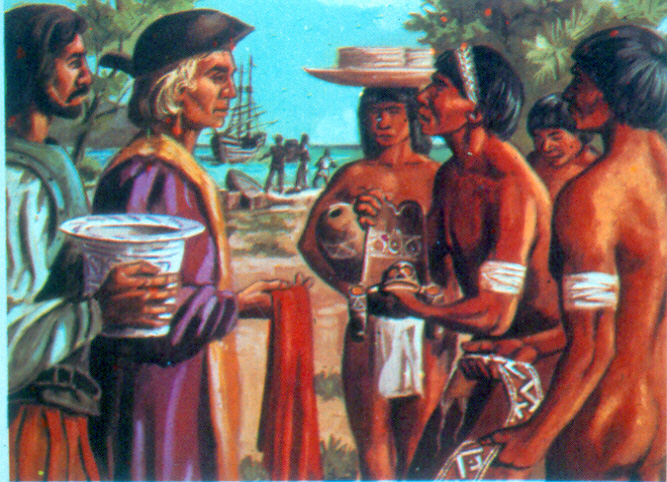
On October 12, 1492, a momentous event unfolded in the Caribbean that would alter the course of history forever. Christopher Columbus, believing he had discovered a new world, instead set in motion one of the darkest chapters in human history.
This tale begins with the Taino people, who welcomed Columbus and his crew with open arms, offering food, gifts, and friendship. Yet, what followed this initial encounter was a brutal saga of greed, conquest, and devastation that nearly erased an entire civilization.
When Columbus and his crew finally spotted land after a grueling two-month journey, they stumbled upon a thriving civilization—the Taino.
These indigenous inhabitants had established sophisticated agricultural systems, created beautiful art and pottery, and built complex social structures governed by chiefs known as caciques.
With a population that may have numbered over a million across the Caribbean, the Taino were a peaceful people, but Columbus saw only opportunity.
His journal entries reveal a chilling perspective; he described the Taino as friendly and generous but also noted their lack of weapons, viewing them as potential servants to the Spanish crown.

The initial contact appeared harmonious, with the Taino presenting gifts of parrots, cotton, and fruits. Columbus reciprocated with glass beads and red hats, unaware of the impending horror.
Disaster struck on Christmas Eve of 1492 when Columbus’s flagship, the Santa Maria, ran aground near Haiti.
The local Taino chief, Guacanagari, extended extraordinary kindness, helping salvage the wreckage. However, Columbus made a fateful decision, leaving behind 39 men to establish a fort called La Navidad, instructing them to explore for gold and treat the Taino with respect.
But as soon as Columbus’s ships disappeared from sight, those left behind abandoned civility, committing atrocities against the very people who had saved them.
The Taino, initially hopeful, soon realized their grave mistake. The Spanish sailors, intoxicated by power and greed, began to exploit the Taino women and resources. Reports surfaced of violence and theft, shattering the trust built during those initial encounters.
Taino leaders, alarmed by the escalating brutality, convened in secret, recognizing the urgent need to defend their people. One chief, Kaonabo, passionately argued that the Spanish must be stopped before they wreaked further havoc.
In a desperate act of resistance, Kaonabo rallied Taino warriors, and they ambushed the Spanish soldiers who had marched inland in search of gold. The attack was swift and decisive, resulting in the annihilation of the 39 Spanish settlers at La Navidad.
The Taino sent a clear message: their land would not be conquered without a fight. However, Columbus’s return in 1493 with a fleet of 17 ships marked the beginning of a brutal retaliation.
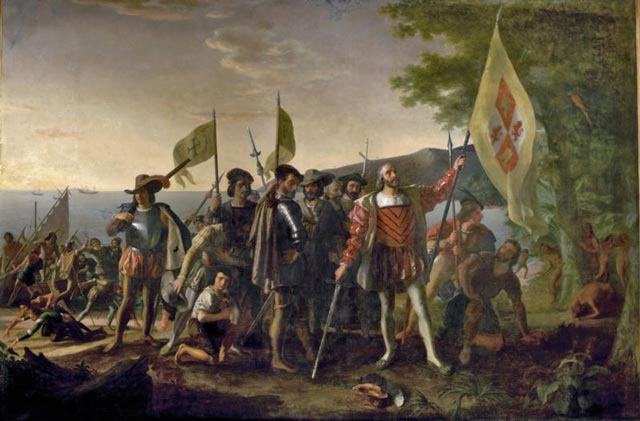
Columbus arrived with a vengeance, determined to reclaim control and punish those responsible for the deaths of his men. He established a new settlement, La Isabella, and launched a campaign of terror against the Taino people.
The Spanish soldiers, now emboldened by their numbers, began a systematic effort to subjugate the Taino, demanding gold tributes that were impossible to meet.
Every Taino over the age of 14 was required to deliver a specific amount of gold every three months, a demand that devastated their society. Those who failed to comply faced horrific punishments, including mutilation and death.
As the tribute system took hold, it tore the fabric of Taino society apart. European diseases, to which the Taino had no immunity, swept through the population, decimating entire communities.
Historians estimate that within three decades of Columbus’s arrival, between 70% and 85% of the Taino population perished due to disease, forced labor, and starvation.
The Encomienda system, which was supposed to provide protection in exchange for labor, devolved into a horrific form of slavery, with Taino communities subjected to brutal working conditions in mines and fields.
Amidst this chaos, some Taino leaders, like the courageous Anacaona, emerged as symbols of resistance. After her husband, Kaonabo, was captured and killed, Anacaona took charge of her people, maintaining their independence in the mountains of Hispaniola.
However, her leadership was cut short when Spanish authorities orchestrated a treacherous meeting under the guise of peace, leading to a massacre of Taino leaders, including Anacaona herself.
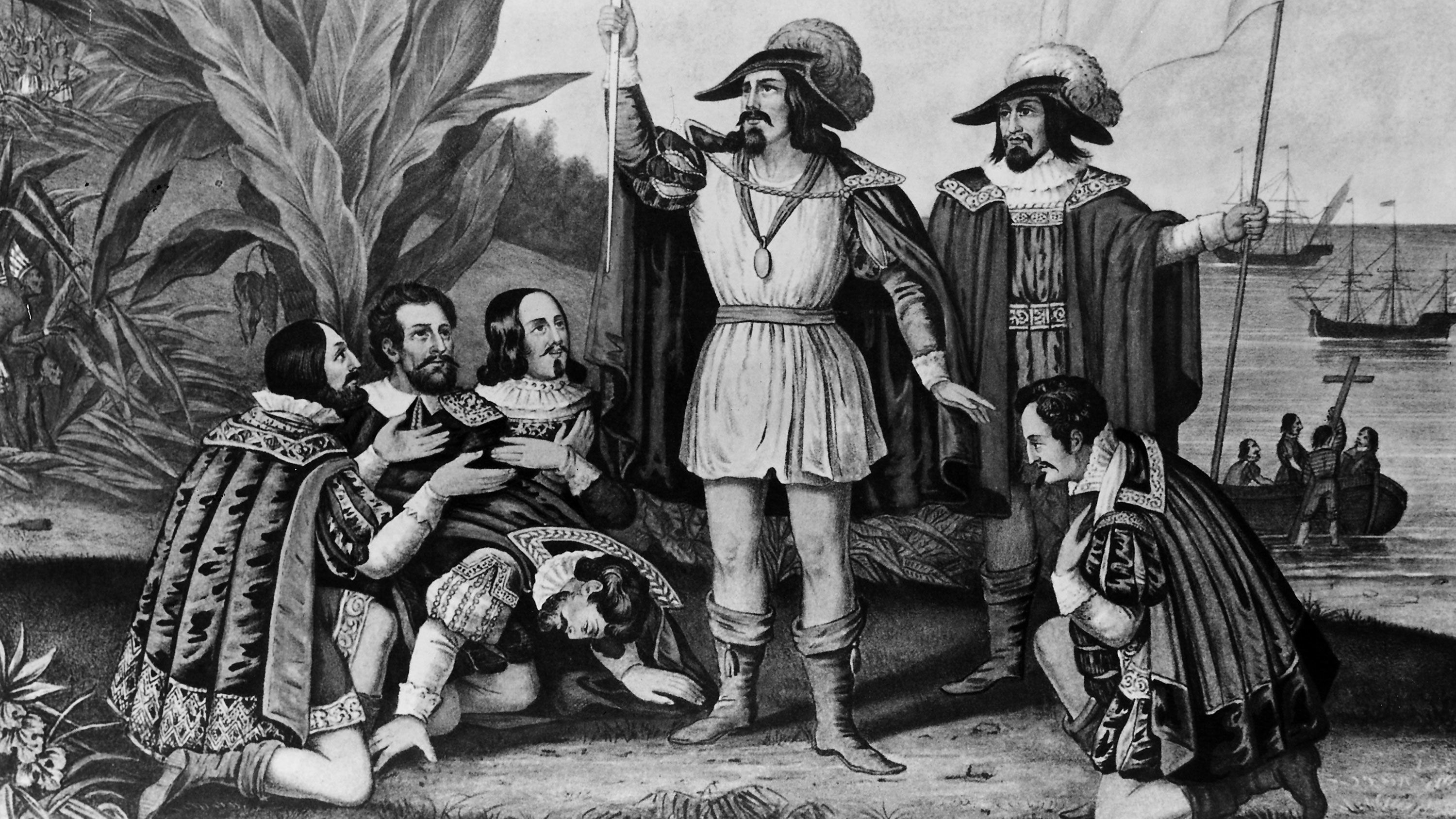
The Spanish conquest seemed unstoppable, yet the spirit of resistance endured. Enrichio, a young Taino nobleman and nephew of Anacaona, witnessed the atrocities inflicted upon his people.
Educated in Spanish customs, he initially cooperated with the colonizers, but when his wife was attacked and his rights ignored, he led a rebellion that would last for 14 years.
Enrichio’s forces, composed of Taino and escaped African slaves, utilized guerrilla tactics, exploiting their knowledge of the rugged terrain to outmaneuver the Spanish military.
Despite numerous military expeditions, the Spanish found themselves unable to quell the uprising. Enrichio’s rebellion became a symbol of hope and defiance, inspiring other oppressed groups across the Caribbean.
In a surprising turn of events, the Spanish government ultimately offered Enrichio and his followers freedom and land rights in 1533, a rare acknowledgment of indigenous sovereignty.
However, this victory came too late for the Taino people. By the time of Enrichio’s triumph, their population had already collapsed due to disease, violence, and exploitation.
The Taino civilization, once vibrant and thriving, was nearly erased from history. Yet, remnants of their ancestry endure, with recent DNA studies revealing that many Caribbean inhabitants carry Taino genetic markers.
The narrative of the Taino is a testament to resilience in the face of overwhelming odds. Their story, long suppressed, is now being reclaimed as descendants strive to restore their heritage.
The truth about what transpired after Columbus’s arrival is not just a historical account; it is a reminder of the enduring spirit of those who fought against oppression and the importance of preserving their legacy.
News
Doomsday From the Sky: The Shocking New Timeline of the Day the Dinosaurs Were Erased
A reconstructed scientific timeline details the minute-by-minute destruction unleashed when the Chicxulub asteroid struck Earth 65 million years ago. …
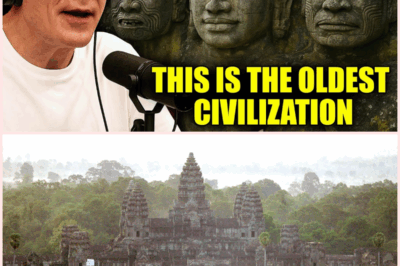
Descubrimiento de una Civilización Perdida Bajo Angkor Wat: Un Enigma Científico
A vast urban network buried beneath Angkor Wat has been revealed through LiDAR and radar imaging, uncovering roads, canals, reservoirs,…
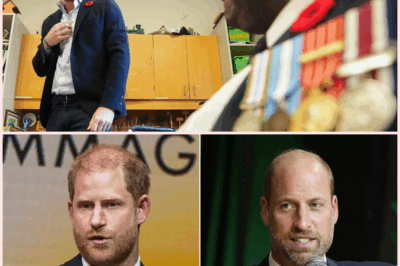
Palace Denies Prince Harry Informed Them About Canada Trip, but His Team Says He Did
Prince Harry traveled to Canada for Remembrance Day events, surprising Buckingham Palace aides despite his team claiming they informed them….
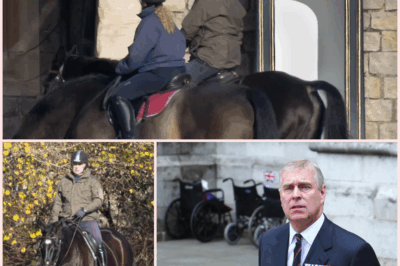
Exiled and Exposed! Former Prince Andrew Spotted Riding Alone at Windsor as Royal Titles Erased and Falklands Honors Vanish!
Former Prince Andrew was spotted horseback riding at Windsor Castle for the first time since losing his royal titles and…
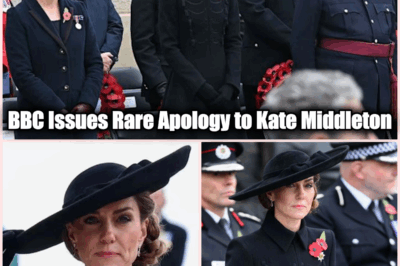
BBC Issues Rare Apology to Kate Middleton After Remembrance Broadcast Backlash
The network received criticism over the Princess of Wales’ titles after covering the royal family’s Remembrance tributes In…

Wall Street in ‘extreme fear’ as stocks plunge AGAIN amid fears world’s biggest company is a dud
Wall Street suffered another sharp sell-off as major indexes and Bitcoin extended their steep November declines. Investors are gripped by…
End of content
No more pages to load






