
Mike Rowe’s journey from a mischievous choirboy to the face of Dirty Jobs reveals the grit and resilience behind America’s unsung workers. Behind the cameras, Rowe faced physical exhaustion, personal challenges, and life-changing lessons about labor, dignity, and purpose.

For decades, Mike Rowe has been the face of “Dirty Jobs,” a show that turned the grimiest of occupations into captivating television.
From cleaning sewers to wrangling snakes, Rowe not only showcased the hard work of unsung heroes but also revealed a personal journey filled with unexpected twists and heart-wrenching challenges.
Behind the laughter and grit lies a story of resilience, sacrifice, and the quest for meaning in a rapidly changing world.
Born in Baltimore in 1962 to public school teachers, Rowe was anything but an average student. With a knack for charm and a penchant for mischief, he found his way into the school choir—not out of passion for music, but to meet girls.
Little did he know, this decision would set the stage for a career that blended performance and authenticity.
After graduating from Towson University with a degree in communication studies, Rowe dabbled in various forms of entertainment, from opera to local television. His early career was a patchwork of experiences that would eventually prepare him for the spotlight.
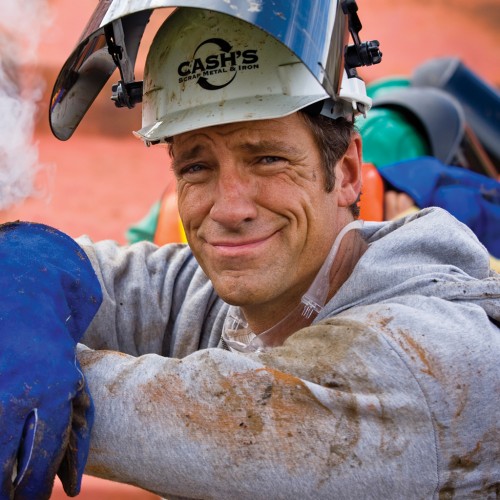
Rowe’s big break came unexpectedly when he landed a job at QVC, the home shopping network. Initially an audition on a dare, he turned a simple pitch about a pencil into a comedic performance, impressing producers and securing a spot on the network.
His time at QVC was chaotic; he was known for his off-the-cuff humor and ability to engage viewers, even when discussing mundane products. This unpredictability and authenticity would later define his approach to hosting “Dirty Jobs.”
In 2005, “Dirty Jobs” premiered on the Discovery Channel, and it quickly became a cultural phenomenon. Each episode featured Rowe immersing himself in the daily grind of laborers across America, showcasing the dignity and grit behind jobs that often go unnoticed.
Unlike traditional reality shows, “Dirty Jobs” thrived on authenticity, with no scripted lines or rehearsed moments. Rowe’s genuine curiosity and respect for the workers he met resonated with audiences, making the show a beloved staple of television.

However, the physical demands of the job took a toll on Rowe. He faced injuries, exhaustion, and the harsh realities of the labor he portrayed.
Climbing into sewers, wading through animal waste, and enduring extreme conditions became part of his routine. Rowe later reflected on the grueling nature of the work, admitting that his body ached for days after filming.
Yet, he remained committed to experiencing the lives of those he featured, believing it was essential to honor their stories by understanding their struggles firsthand.
Despite the show’s success, the end of “Dirty Jobs” in 2012 came as a shock to both Rowe and his fans. The cancellation was abrupt, leaving a void in Rowe’s life and in the hearts of viewers who had grown to see him as a relatable figure.
He described the moment as bittersweet, acknowledging that while the show had run its course, it had become an integral part of his identity.
The transition from the fast-paced life of filming to a more subdued existence was jarring, forcing Rowe to confront his own sense of purpose.
In the aftermath, Rowe channeled his experiences into new ventures. He founded mikeroweWORKS, a foundation aimed at promoting skilled labor and providing scholarships for trade schools.
This initiative was a natural extension of the values he had championed on “Dirty Jobs,” emphasizing the importance of hard work and the dignity of labor.
He also returned to television with “Somebody’s Gotta Do It,” a show that continued the spirit of “Dirty Jobs” but focused on individuals driven by passion rather than necessity.
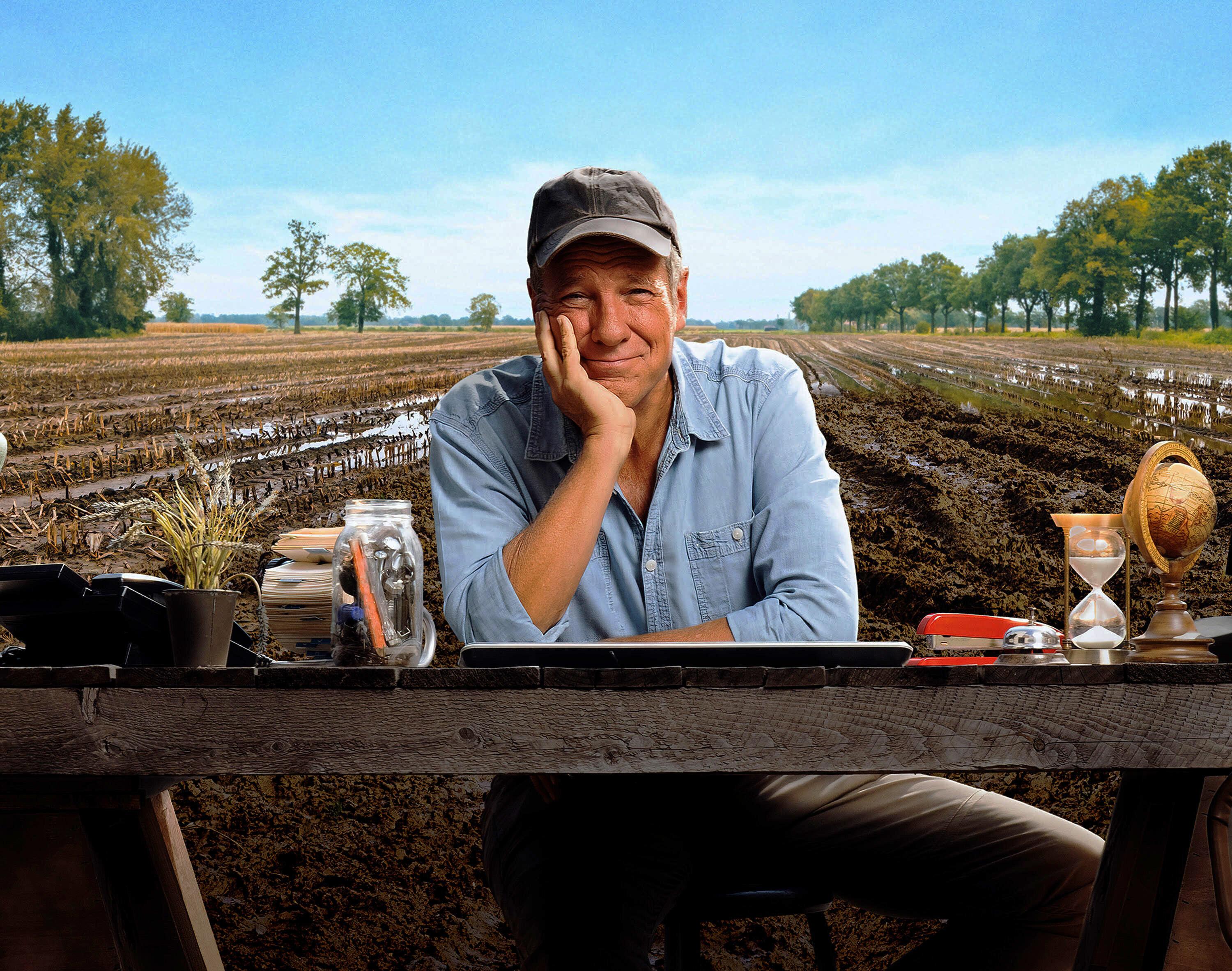
Yet, behind the scenes, Rowe faced personal challenges that few knew about. As he navigated the changes in his professional life, he also dealt with the emotional weight of watching his parents age and confront health issues.
His father’s serious heart attack was a wake-up call, forcing Rowe to grapple with the reality of loss and the fragility of life. These experiences deepened his understanding of resilience and the human spirit, themes he now shares with his audience.
Today, Mike Rowe stands as a testament to the power of authenticity and hard work. His journey from a curious choirboy to a household name embodies the struggles and triumphs of countless individuals who labor behind the scenes.
As he continues to advocate for skilled labor and share stories of everyday heroes, Rowe reminds us all that the true measure of success lies not in fame or fortune, but in the impact we have on others and the respect we give to the work that sustains our lives.
In a world that often overlooks the value of hard work, Mike Rowe’s story serves as a powerful reminder of the dignity found in every job, no matter how dirty.
His journey is one of heart, humor, and an unwavering commitment to honoring the labor that keeps society running.
So the next time you see a worker performing a task you might deem unglamorous, remember Mike Rowe and the lessons he’s taught us about respect, resilience, and the human experience.
News
Doomsday From the Sky: The Shocking New Timeline of the Day the Dinosaurs Were Erased
A reconstructed scientific timeline details the minute-by-minute destruction unleashed when the Chicxulub asteroid struck Earth 65 million years ago. …
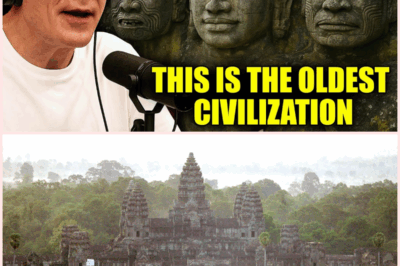
Descubrimiento de una Civilización Perdida Bajo Angkor Wat: Un Enigma Científico
A vast urban network buried beneath Angkor Wat has been revealed through LiDAR and radar imaging, uncovering roads, canals, reservoirs,…
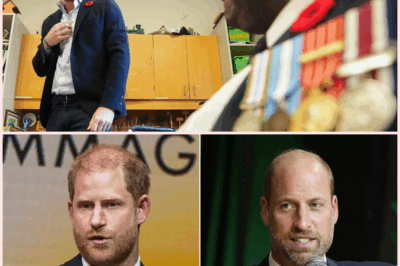
Palace Denies Prince Harry Informed Them About Canada Trip, but His Team Says He Did
Prince Harry traveled to Canada for Remembrance Day events, surprising Buckingham Palace aides despite his team claiming they informed them….
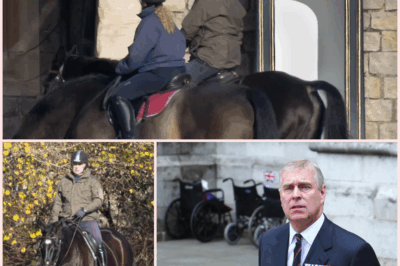
Exiled and Exposed! Former Prince Andrew Spotted Riding Alone at Windsor as Royal Titles Erased and Falklands Honors Vanish!
Former Prince Andrew was spotted horseback riding at Windsor Castle for the first time since losing his royal titles and…
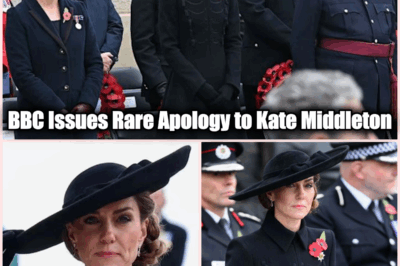
BBC Issues Rare Apology to Kate Middleton After Remembrance Broadcast Backlash
The network received criticism over the Princess of Wales’ titles after covering the royal family’s Remembrance tributes In…

Wall Street in ‘extreme fear’ as stocks plunge AGAIN amid fears world’s biggest company is a dud
Wall Street suffered another sharp sell-off as major indexes and Bitcoin extended their steep November declines. Investors are gripped by…
End of content
No more pages to load






