
A deadly 1959 plane crash took the lives of rock legends Buddy Holly, Ritchie Valens, and The Big Bopper, forever marking “The Day the Music Died.”
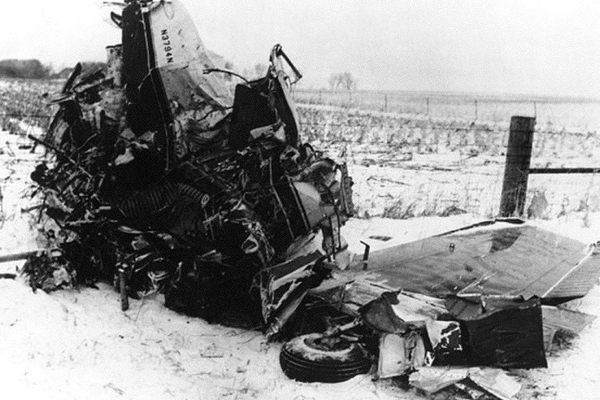
In the early hours of February 3, 1959, a small private plane took off into the night sky, never to return.
This tragic event, now infamously known as “The Day the Music Died,” claimed the lives of three rock and roll icons: Buddy Holly, Ritchie Valens, and J.P. “The Big Bopper” Richardson.
But what really happened on that fateful night? The untold story reveals a series of pilot mistakes and harrowing decisions that led to this devastating crash.
To understand how these music legends ended up on that ill-fated flight, we must rewind to January 1959. Rock and roll was on the rise, and 22-year-old Buddy Holly was at the forefront of this musical revolution.
As part of his burgeoning career, Holly embarked on a grueling 24-day Winter Dance Party tour across the Midwest, which would come to be known as the “tour from hell.”
The scheduling of shows was chaotic, forcing the artists to zigzag hundreds of miles through one of the harshest winters in decades.

By the time the tour reached Clear Lake, Iowa, on February 2, Holly was exhausted. After performing that night, he decided to charter a small plane to take him and his band members—Tommy Alsup and Waylon Jennings—to their next show in Fargo, North Dakota.
The cost of the flight was a mere $36 per person. In a twist of fate, Valens won a coin toss against Alsup for a seat on the plane, while Jennings, feeling under the weather, relinquished his spot to The Big Bopper, who needed medical attention.
As they boarded the aircraft—a 1945 Beechcraft 35 V-tail Bonanza—little did they know that the pilot, Roger Peterson, was facing significant challenges. At just 21 years old, Peterson had accumulated over 700 hours of flight time, but he was not without flaws.
He had been awake for over 17 hours by the time of takeoff, and fatigue likely played a role in his decision-making. More critically, although he held a commercial pilot’s license, he was not authorized to fly in adverse weather conditions.
The weather that night was deteriorating. Earlier in the evening, Peterson received a weather briefing indicating that conditions were acceptable for visual flight rules (VFR).
However, unbeknownst to him, a flash advisory had been issued just prior to takeoff, warning of rapidly worsening weather, including a band of snow and reduced visibility. Despite this, Peterson took off at 12:55 a.m., believing he could navigate the skies.
Witnesses reported seeing the plane climb to approximately 800 feet before it began to descend. Peterson never made any radio calls, and the aircraft vanished from sight.
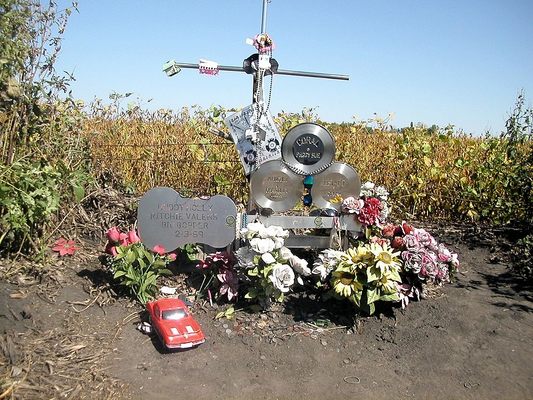
The wreckage was discovered the following morning, scattered across an open field, buried beneath four inches of snow.
The investigation revealed that the plane had been in a steep right bank, descending at an alarming rate of 3,000 feet per minute when it crashed. Tragically, all three passengers were ejected from the aircraft upon impact and died instantly.
The investigation into the crash uncovered shocking details that raised further questions about the decisions made that night. The aircraft was equipped with a Lear autopilot system, but it was non-operational due to its recent installation.
Had it been functioning, it might have prevented the crash. Additionally, Peterson’s instrument panel featured an outdated gyro indicator that operated in reverse of what he was trained on, likely contributing to his spatial disorientation in the dark, snowy night.
While the investigation placed the blame squarely on Peterson for flying without an instrument rating and failing to recognize the deteriorating weather conditions, it also hinted at shared responsibility.
Mr. Hubert Dwyer, the owner of the charter company, was a licensed commercial pilot himself and had the experience to conduct the flight. His decision to entrust the flight to Peterson, despite knowing his limitations, raises ethical questions about accountability in aviation.
This heart-wrenching tragedy serves as a stark reminder of the risks associated with aviation, particularly in the face of poor weather conditions and human error.
The lessons learned from this incident remain relevant today, emphasizing the importance of thorough weather checks and the need for pilots to be fully aware of their capabilities and limitations before taking to the skies.
As we remember the legacy of Buddy Holly, Ritchie Valens, and The Big Bopper, we must also reflect on the circumstances that led to their untimely deaths.
Their music continues to resonate with fans around the world, but the haunting echoes of that fateful night remind us of the fragility of life and the critical importance of safety in aviation.
The story of their tragic end is not just a tale of loss but a cautionary narrative that underscores the necessity for vigilance and responsibility in the skies.
News

Doomsday From the Sky: The Shocking New Timeline of the Day the Dinosaurs Were Erased
A reconstructed scientific timeline details the minute-by-minute destruction unleashed when the Chicxulub asteroid struck Earth 65 million years ago. …

Descubrimiento de una Civilización Perdida Bajo Angkor Wat: Un Enigma Científico
A vast urban network buried beneath Angkor Wat has been revealed through LiDAR and radar imaging, uncovering roads, canals, reservoirs,…

Palace Denies Prince Harry Informed Them About Canada Trip, but His Team Says He Did
Prince Harry traveled to Canada for Remembrance Day events, surprising Buckingham Palace aides despite his team claiming they informed them….

Exiled and Exposed! Former Prince Andrew Spotted Riding Alone at Windsor as Royal Titles Erased and Falklands Honors Vanish!
Former Prince Andrew was spotted horseback riding at Windsor Castle for the first time since losing his royal titles and…

BBC Issues Rare Apology to Kate Middleton After Remembrance Broadcast Backlash
The network received criticism over the Princess of Wales’ titles after covering the royal family’s Remembrance tributes In…

Wall Street in ‘extreme fear’ as stocks plunge AGAIN amid fears world’s biggest company is a dud
Wall Street suffered another sharp sell-off as major indexes and Bitcoin extended their steep November declines. Investors are gripped by…
End of content
No more pages to load






