
Britain used an innovative fertility control program to reduce invasive gray squirrel populations without harming other wildlife. Red squirrels, nearly extinct in England, have started returning to areas where gray squirrels were removed.

In a story that reads like an ecological thriller, the United Kingdom has pulled off something many thought impossible: reversing the devastation caused by an invasive species that has terrorized its woodlands for over a century.
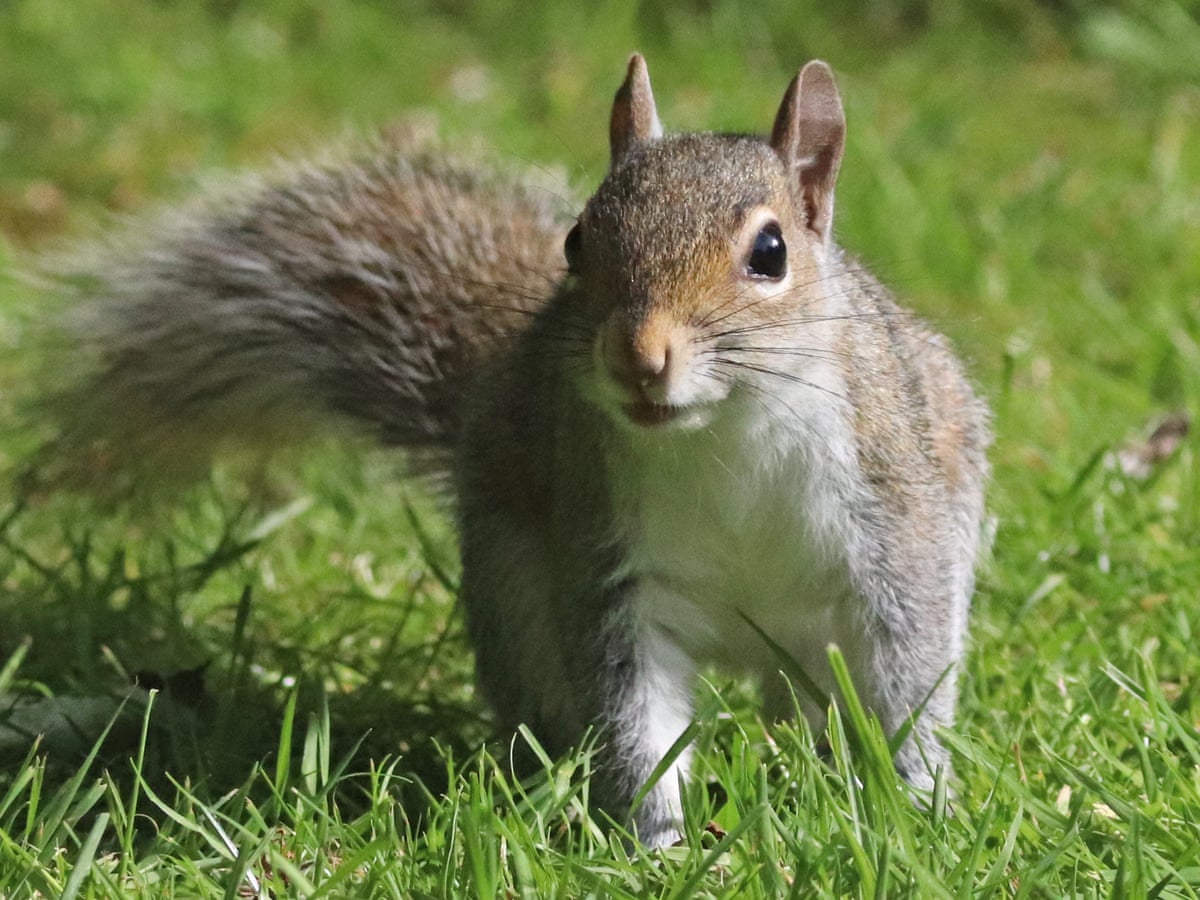
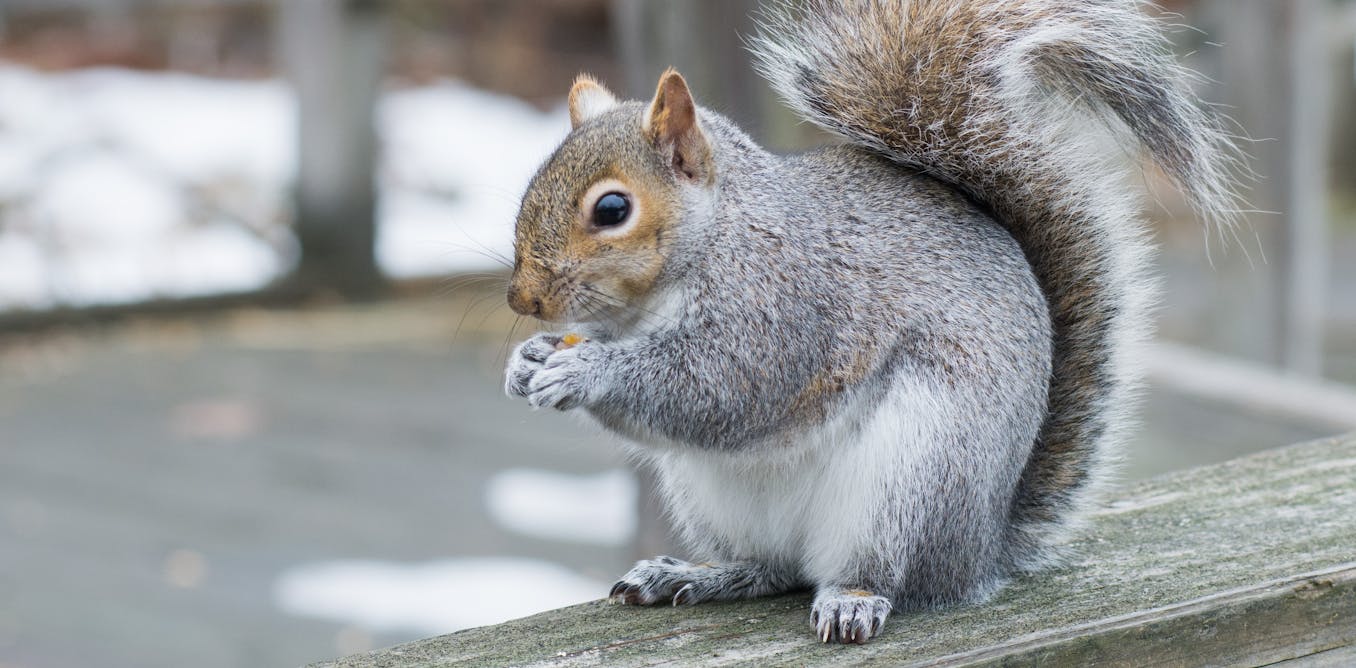
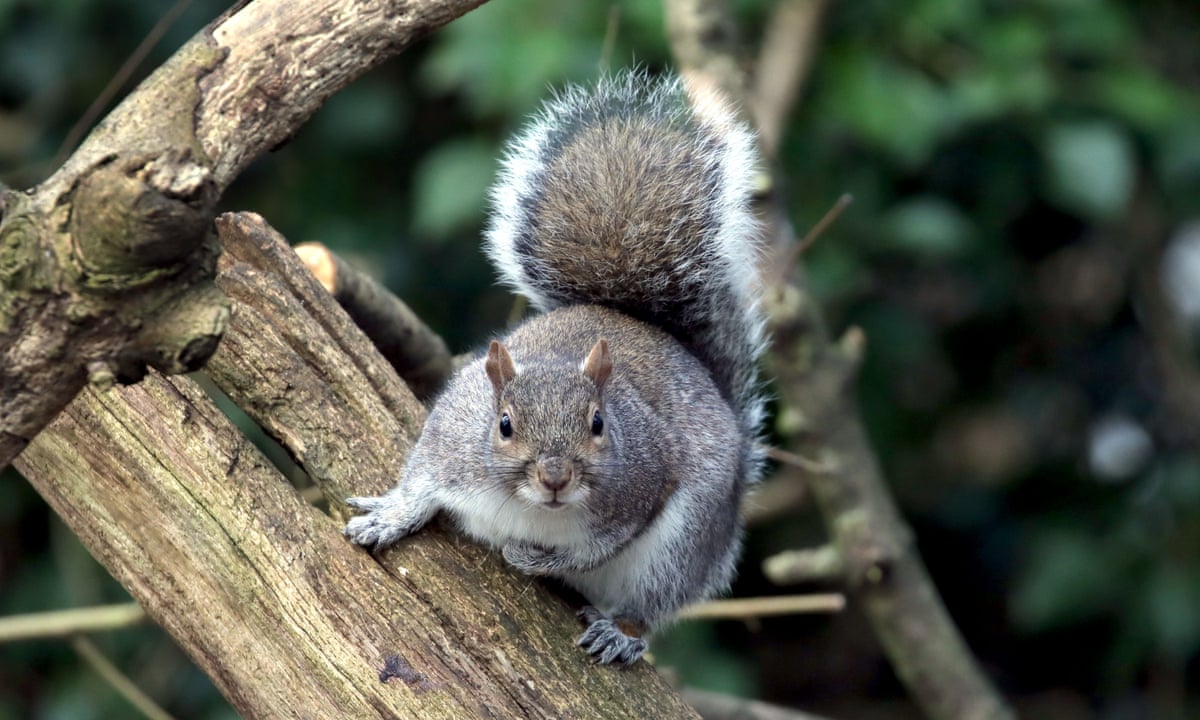
The gray squirrel, imported from North America in the late 19th century as a charming addition to private estates, quickly became one of Britain’s most destructive invasive species.
Larger, stronger, and more adaptable than the native red squirrel, the grays spread with ruthless efficiency, outcompeting their native cousins for food and territory.
Worse, they carried squirrelpox, a virus harmless to themselves but deadly to reds, wiping out entire populations in mere weeks.
By the late 20th century, the red squirrel had nearly vanished from England, surviving only in isolated pockets of Scotland, Northern Ireland, and a handful of islands like Anglesey.
The ecological and economic damage was staggering. Gray squirrels stripped bark from young hardwoods, leaving trees exposed to disease and decay, costing the economy millions of pounds annually in lost timber productivity.
For decades, traditional control methods — trapping, culling, and relocation — proved frustratingly ineffective. Gray populations bounced back quickly, invading new areas while red squirrels disappeared.
Public perception complicated matters further; the public adored these playful, bushy-tailed invaders, seeing them as harmless park animals. Conservationists were caught between public sentiment and the urgent need to save a species teetering on the brink of extinction.
Against this backdrop, a daring and controversial plan emerged, spearheaded by the UK Squirrel Accord, a coalition of conservation groups, landowners, and government agencies.
Instead of relying on mass culling, scientists developed a fertility control program to target gray squirrels specifically. Delivered through specially designed bait, this method gradually reduced reproductive rates without harming other wildlife.
The idea was revolutionary: for the first time, the UK could address the gray squirrel crisis without widespread slaughter, offering hope for the red squirrel’s return.
Early trials were met with skepticism and outrage. Animal rights advocates warned of tampering with nature, and critics argued that such an ambitious approach would fail. Yet the results began to speak for themselves.
On the island of Anglesey, where grays had once dominated entirely, a coordinated effort of volunteers and wildlife organizations removed the invasive squirrels entirely.
Over time, red squirrels returned in numbers not seen for generations. What started as a localized experiment quickly inspired a broader national effort.
The comeback of the red squirrel is not just a victory for a single species but a triumph of science, persistence, and ingenuity.
Fertility control combined with traditional conservation measures — habitat management, local monitoring, and public education — created a model for balancing ecosystems without cruelty.
Forests once dominated by gray chatter are now filled with the rustle of auburn fur as red squirrels reclaim their territory.
This transformation has had ripple effects across British woodlands: tree growth has strengthened, native bird populations are recovering, and overall biodiversity is improving.
The red squirrel’s survival, however, remains fragile. Gray squirrels still exist, and the threat of reinvasion requires constant vigilance. Conservationists continue to monitor populations carefully, ensuring that red squirrels have safe zones in which to thrive.
Their reemergence serves as a living reminder of both the damage humans can cause and the power of innovative science to correct mistakes.
Children growing up today can once again witness these native icons in their natural habitats, a rare glimpse into Britain’s ecological heritage restored.
This story is about more than squirrels. It’s a cautionary tale of human choices, invasive species, and the delicate balance of ecosystems.
The gray squirrels’ rise was fueled by human fascination and negligence, yet the red squirrels’ return is a testament to deliberate action, collaboration, and hope.
Britain’s forests are reclaiming their rhythm after more than a century of disruption, proving that even small creatures can teach enormous lessons about resilience, responsibility, and the consequences of intervention.
As Britain celebrates this unexpected victory, questions linger about the future. Can the lessons learned here inspire similar efforts to protect other vulnerable species worldwide?
Or will this remain an isolated triumph in the ongoing battle between humans, invasive species, and native wildlife? What is clear is that this is a moment of ecological renewal: a reminder that with science, strategy, and persistence, nature can be coaxed back from the brink.
The quiet revolution in the UK’s woodlands shows that even the most entrenched environmental problems can be overcome, one red squirrel at a time.
The UK’s bold gamble may have stunned the world, but it has also given hope — that restoration, patience, and ingenuity can change the fate of an entire species.
Red squirrels are leaping across forest canopies once more, and their survival tells a story that transcends species: a story of ingenuity, ethics, and the extraordinary potential for humans to make amends for the mistakes of the past.
Britain has not just saved a species; it has shown the world what is possible when science and determination unite to heal the natural world.
The chatter of red squirrels in restored woodlands is now louder than the skeptics’ doubts, a testament to a victory thought impossible, a quiet but profound revolution in conservation.
News
Doomsday From the Sky: The Shocking New Timeline of the Day the Dinosaurs Were Erased
A reconstructed scientific timeline details the minute-by-minute destruction unleashed when the Chicxulub asteroid struck Earth 65 million years ago. …

Descubrimiento de una Civilización Perdida Bajo Angkor Wat: Un Enigma Científico
A vast urban network buried beneath Angkor Wat has been revealed through LiDAR and radar imaging, uncovering roads, canals, reservoirs,…

Palace Denies Prince Harry Informed Them About Canada Trip, but His Team Says He Did
Prince Harry traveled to Canada for Remembrance Day events, surprising Buckingham Palace aides despite his team claiming they informed them….
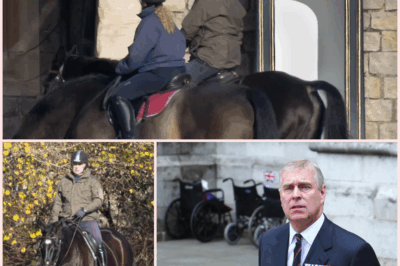
Exiled and Exposed! Former Prince Andrew Spotted Riding Alone at Windsor as Royal Titles Erased and Falklands Honors Vanish!
Former Prince Andrew was spotted horseback riding at Windsor Castle for the first time since losing his royal titles and…

BBC Issues Rare Apology to Kate Middleton After Remembrance Broadcast Backlash
The network received criticism over the Princess of Wales’ titles after covering the royal family’s Remembrance tributes In…

Wall Street in ‘extreme fear’ as stocks plunge AGAIN amid fears world’s biggest company is a dud
Wall Street suffered another sharp sell-off as major indexes and Bitcoin extended their steep November declines. Investors are gripped by…
End of content
No more pages to load






