
The Whisper of the Giants
In the depths of the ocean, a hidden world thrived, pulsating with the rhythm of life.
Dr.Emily Carter, a renowned marine biologist, had spent years studying the enigmatic giants of the sea—whales.
Their songs echoed through the water, a symphony of clicks and calls that had long fascinated humanity.
But what if these sounds were more than mere communication? What if they held secrets that could change everything?
It began on a stormy night, waves crashing against the research vessel, The Nautilus.
The crew was restless, anxiety palpable in the air.
Dr.Carter stood on the deck, peering into the darkness, her heart racing with anticipation.
She had recently partnered with a cutting-edge AI company that promised to decode whale language.
This was it—the moment she had been waiting for.
As the storm raged, the ship’s sonar picked up an unusual pattern.
It was a series of clicks, rhythmic and deliberate.
Dr.Carter felt a chill run down her spine.
Could this be the breakthrough she had hoped for? She rushed to the control room, where the AI system was processing the sounds.

The screen flickered, revealing a complex web of data, but the meaning remained elusive.
Days turned into weeks, and the crew grew weary.
Captain James Reynolds, a seasoned sailor with a gruff exterior, began to doubt the project.
He often clashed with Dr.Carter, insisting they abandon their quest.
But she was relentless, driven by a passion that bordered on obsession.
The tension between them escalated, a silent war brewing beneath the surface.
Then, one fateful morning, the AI produced a startling result.
Dr.Carter could hardly believe her eyes.
The clicks were not random; they formed patterns resembling human language.
Excitement surged through her veins.
She called an emergency meeting, her voice trembling with urgency.
The crew gathered, skepticism etched on their faces.
Dr.Carter presented the findings, her heart pounding.
“This is groundbreaking,” she declared.
“We are on the brink of understanding their thoughts, their emotions.”
Captain Reynolds crossed his arms, his expression unreadable.
“You’re telling us that whales are speaking to us? That’s absurd.”
But Dr.Carter was undeterred.
She proposed a series of experiments, using the AI to translate the whale songs in real-time.
The crew reluctantly agreed, drawn in by the promise of discovery.
As they ventured deeper into the ocean, the atmosphere shifted.
The whales seemed to sense their presence, responding with haunting melodies that resonated in the souls of the crew.
One night, as the moon cast a silver glow on the water, the AI picked up a particularly intricate sequence.
Dr.Carter felt a surge of adrenaline.
They had stumbled upon something extraordinary.
She listened intently, her mind racing.
The clicks conveyed emotions—fear, joy, sorrow.
It was as if the whales were sharing their stories, their struggles, and their triumphs.
But as they delved deeper, the revelations became darker.
The AI began to uncover a pattern of distress.

Whales were communicating about the encroachment of human activity—pollution, hunting, and climate change.
Dr.Carter was horrified.
The very beings she sought to understand were suffering, their songs filled with anguish.
The crew was torn.
Some wanted to abandon the project, fearing the implications of their findings.
Others, inspired by Dr.Carter, felt a moral obligation to share the truth with the world.
Tensions reached a boiling point, culminating in a heated confrontation between Dr.
Carter and Captain Reynolds.
“Are we just going to stand by while these creatures suffer?” she shouted, her voice echoing through the ship.
Captain Reynolds glared at her, frustration boiling over.
“And what do you propose we do? We’re scientists, not saviors!”
But Dr.Carter refused to back down.
She envisioned a documentary that would reveal the plight of the whales, a call to action for humanity.
With the crew divided, she set out to gather footage, determined to capture the whales’ songs and the heartbreaking stories behind them.
As days passed, the crew witnessed the whales in their natural habitat, their beauty juxtaposed with the harsh realities they faced.
Dr.Carter filmed tirelessly, her heart heavy with the weight of their suffering.
Each click echoed like a plea for help, a reminder of the fragile balance between humans and nature.
Then, tragedy struck.
A pod of whales was spotted entangled in fishing nets, struggling for survival.
Dr.Carter felt her heart shatter as she watched the scene unfold.
She urged the crew to intervene, but Captain Reynolds hesitated, torn between safety and compassion.
“Risking our lives for them isn’t worth it,” he argued, his voice strained.
But Dr.Carter couldn’t stand by.
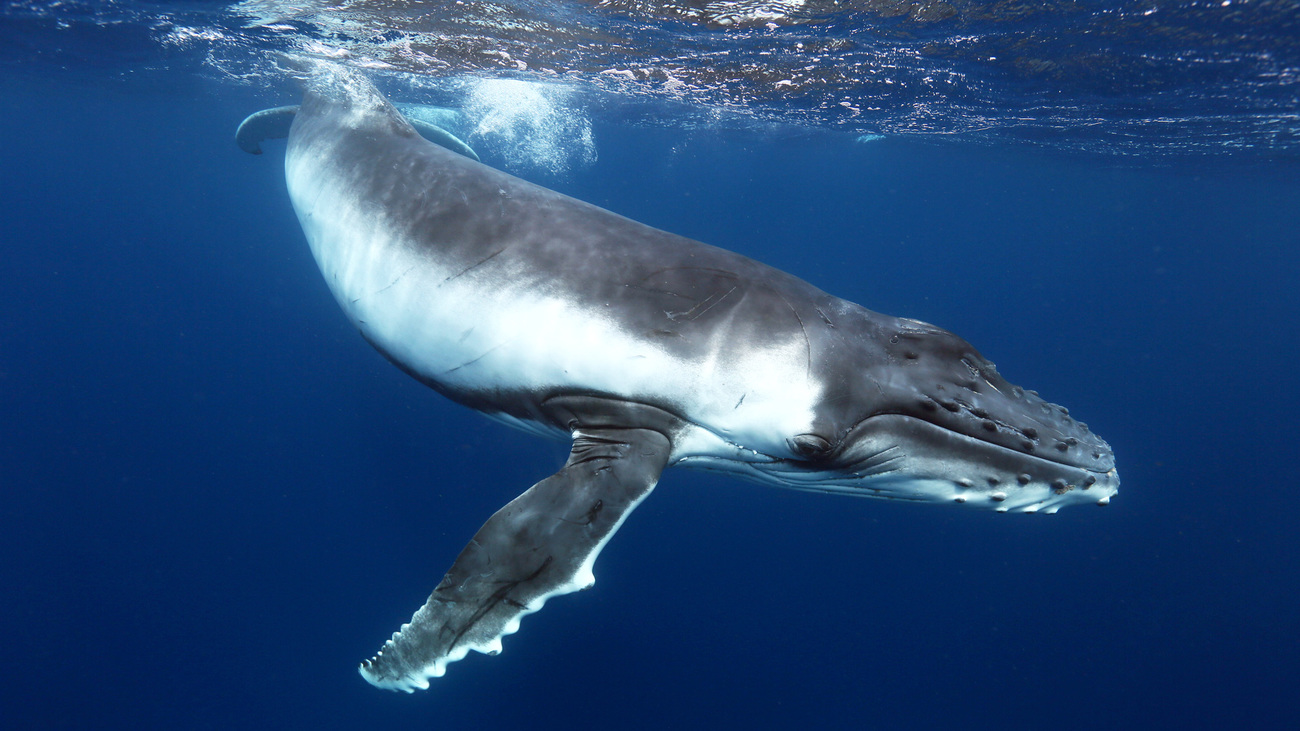
She rallied a few crew members, determined to save the trapped whales.
They launched a small boat, hearts pounding with fear and hope.
As they approached the struggling pod, the enormity of the situation hit her.
These were not just animals; they were sentient beings, deserving of respect and protection.
With trembling hands, they worked to free the whales, cutting away the nets that bound them.
The moment the last whale broke free, a wave of relief washed over Dr.Carter.
The whales sang a haunting melody, a song of gratitude that resonated deep within her soul.
But the victory was bittersweet.
They had saved a few, but countless others were still suffering.
Returning to the ship, Dr.Carter felt a renewed sense of purpose.
She knew they had to share their story, to shed light on the plight of the whales.
The crew rallied behind her, united by a common goal.
They worked tirelessly to edit the footage, crafting a narrative that would captivate and inspire.
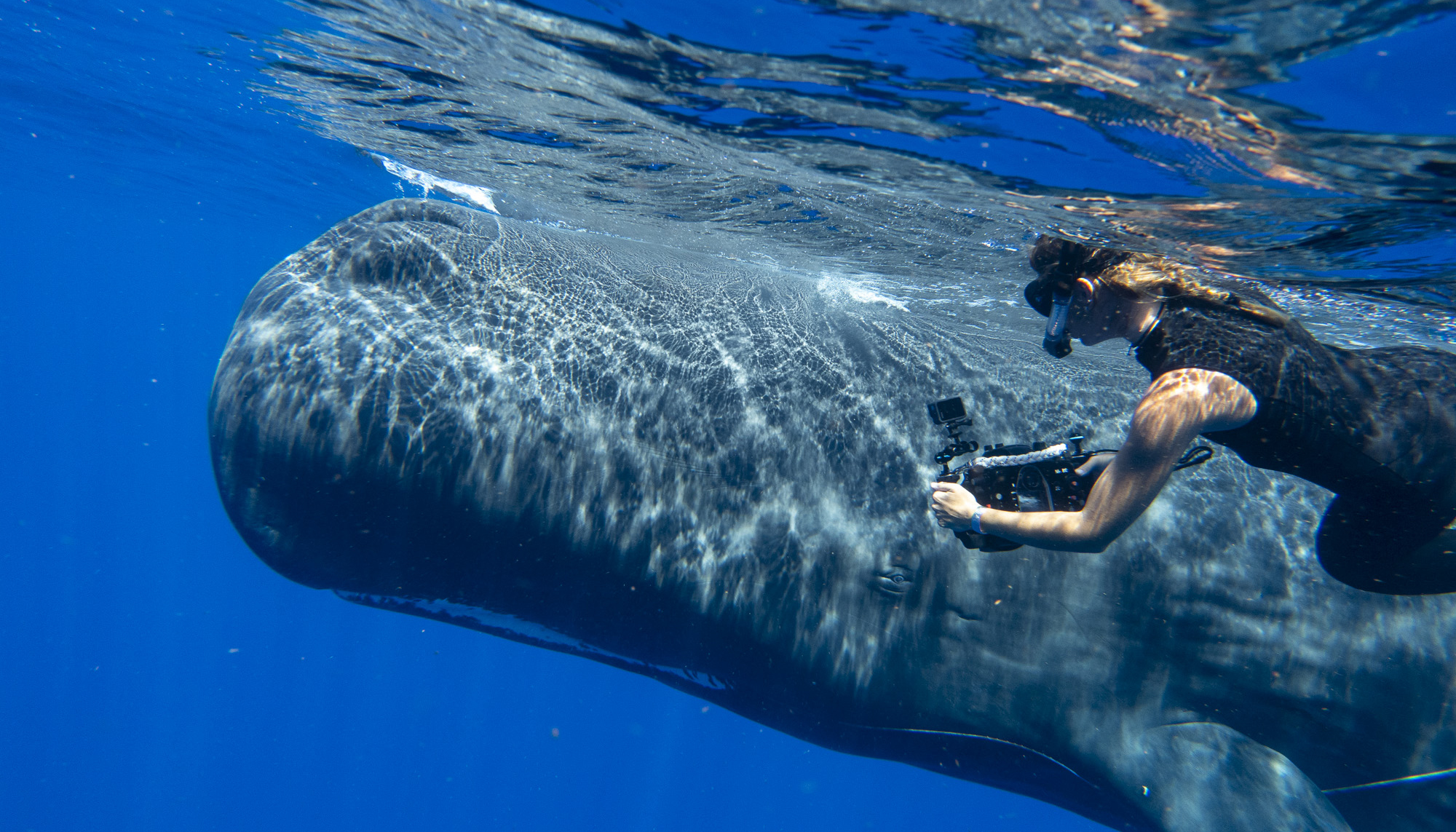
Finally, the day arrived to release the documentary.
The world held its breath as Dr.Carter stood before a crowd, her heart pounding.
She shared the whales’ songs, their stories of suffering and resilience.
The audience was captivated, tears streaming down their faces.
The message was clear: humanity had a responsibility to protect these majestic beings.
As the credits rolled, Dr.Carter felt a surge of hope.
The documentary sparked a movement, igniting a passion for conservation worldwide.
People rallied to protect the oceans, advocating for change.
Captain Reynolds, once skeptical, became a staunch ally, using his platform to raise awareness.
But amidst the triumph, the reality remained stark.
The ocean was still under threat, and the fight was far from over.
Dr.Carter continued her work, driven by the memory of the whales that had touched her heart.
She understood that their songs were not just sounds; they were a testament to the resilience of life in the face of adversity.
In the end, the whispers of the giants echoed louder than ever.
Their stories became a rallying cry, a reminder of the interconnectedness of all beings.
Dr.Carter stood at the forefront of a movement, her heart forever intertwined with the ocean and its inhabitants.
The journey had transformed her, igniting a fire within that would never be extinguished.
The world had awakened to the truth, and with it came the hope for a brighter future.
As the sun set over the horizon, Dr.Carter gazed out at the vast expanse of water, knowing that the fight for the whales—and for the planet—was just beginning
News
“Mel’s Hole Uncovered: Shocking Secrets from the Depths! 🌌 What Lies Beneath the Surface?” In a chilling investigation, the infamous Mel’s Hole reveals dark secrets that could change everything we know about the unknown! As explorers descend into its eerie depths, they uncover shocking evidence of bizarre phenomena and mysterious disappearances that have haunted the area for decades. What horrors await those who dare to venture too close? Prepare for a spine-tingling journey into a mystery that defies explanation! 👇
: The Mystery of Mel’s Hole: A Descent into the Unknown In the remote hills of eastern Washington, a story…

“The Vanishing Division: Shocking Evidence of Bigfoot’s Secret Society Revealed! ❄️ What Lies Beneath the Ice?” In a chilling investigation, researchers uncover shocking evidence of a hidden society of Bigfoot lurking beneath the snow! As eyewitness accounts pour in, the truth about these elusive creatures becomes more terrifying than we ever imagined. What secrets do they hold, and why have they kept themselves hidden for so long? Prepare for a heart-stopping journey into the icy depths where legends come alive and mysteries unfold! 👇
The Vanishing Division: Secrets Beneath the Snow In the bitter cold of winter 1939, a Soviet division, the 44th Rifle…
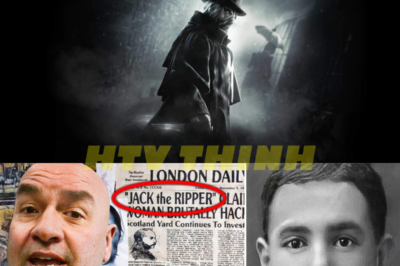
“The Ripper’s Final Chapter: Shocking Discoveries That Will Change History! 📜 What Did He Leave Behind?” As investigators piece together the final clues of Jack the Ripper’s gruesome legacy, shocking discoveries emerge that threaten to rewrite history! From hidden letters to unsettling artifacts, the evidence paints a terrifying portrait of a man who thrived in darkness. What drove him to commit such atrocities, and why did he vanish without a trace? This explosive investigation will take you on a heart-pounding journey into the mind of a killer, revealing truths that have remained buried for too long! 👇
Unmasking the Ripper: The Haunting Truth Revealed In the shadowy alleys of Victorian London, a chilling enigma unfolded that would…

“The Alien Files: Alec Newald’s Ten Days of Terror and Revelation! 🛸 What Lies Beyond Our World?” For ten long days, Alec Newald was lost to us—only to return with a tale so unbelievable it could rewrite history! His chilling account of an alien encounter unveils shocking truths about our place in the cosmos and the beings that may be watching us. As he shares the details of his experience, the implications of his story could shake the foundations of science and belief. Are we truly alone, or is there more to the universe than we ever imagined? The answers will astound you! 👇
The Ten Days That Changed Everything: Alec Newald’s Alien Encounter In February 1989, the quiet town of Rotorua, New Zealand,…

“The Untold Story of André the Giant: Love, Betrayal, and the Dark Side of Fame! 🌟 What They Never Told You!” Behind the towering figure of André the Giant lies a shocking tale of love and betrayal that will leave you breathless! As fans remember the wrestling legend, new revelations emerge about his tumultuous relationships and the dark pressures of fame that haunted him. Was his larger-than-life persona hiding a world of heartache and secrets? Dive into the emotional rollercoaster of a giant whose legacy is as complex as his size! The truth is more shocking than the ring itself! 👇
The Legacy of the Giant: A Tale of Shadows and Light In the heart of the wrestling world, there existed…

“Hoffa’s Last Secrets: Mafia Ties and Betrayal Revealed! 💼 Who Really Silenced the Labor Legend?” As the decades roll on, the mystery of Jimmy Hoffa’s disappearance thickens with shocking revelations from inside the mob! New evidence surfaces, suggesting a betrayal so deep it could shake the foundations of organized crime. Was Hoffa’s own inner circle responsible for his vanishing act? This explosive investigation dives into the dark underbelly of the labor movement, where loyalty is a luxury few can afford.
Prepare for a jaw-dropping journey into betrayal and danger! 👇
The Shocking Truth Behind Jimmy Hoffa’s Disappearance On a sweltering summer day in 1975, Jimmy Hoffa stepped out of his…
End of content
No more pages to load






