
We could be on the verge of an antibiotic apocalypse.
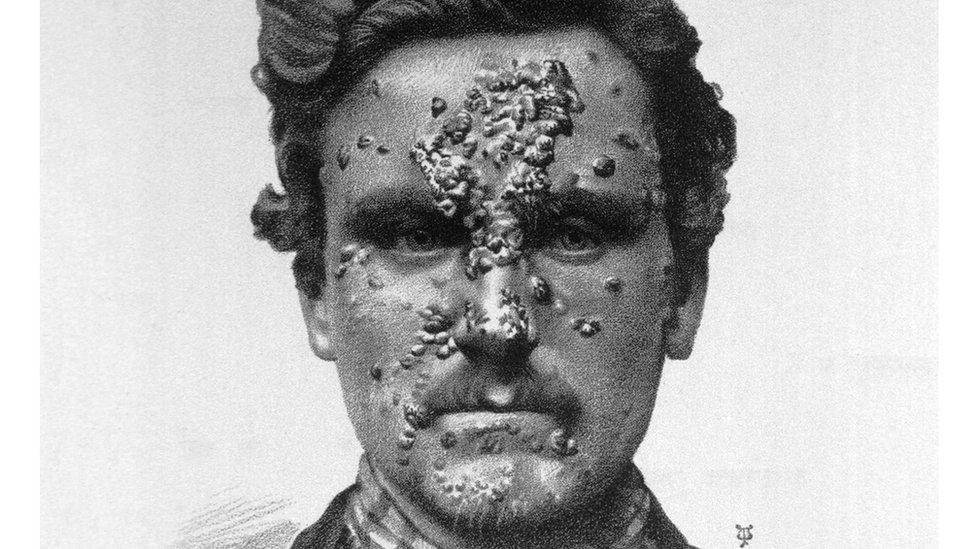
A future with a lot more acne, where an STI could kill you and rare diseases could return.
Scientists have found bacteria which can fight off any known antibiotic.
This bacteria can pass on their defence skills to other germs.
So drug resistance could spread around the world and make common infections untreatable again.
Prof Timothy Walsh, who collaborated on the study, from the University of Cardiff, told the BBC News website it’s a case of “when not if” for this global resistance.
It may take us back to a time before antibiotics had been invented.
So what was life like before antibiotics?
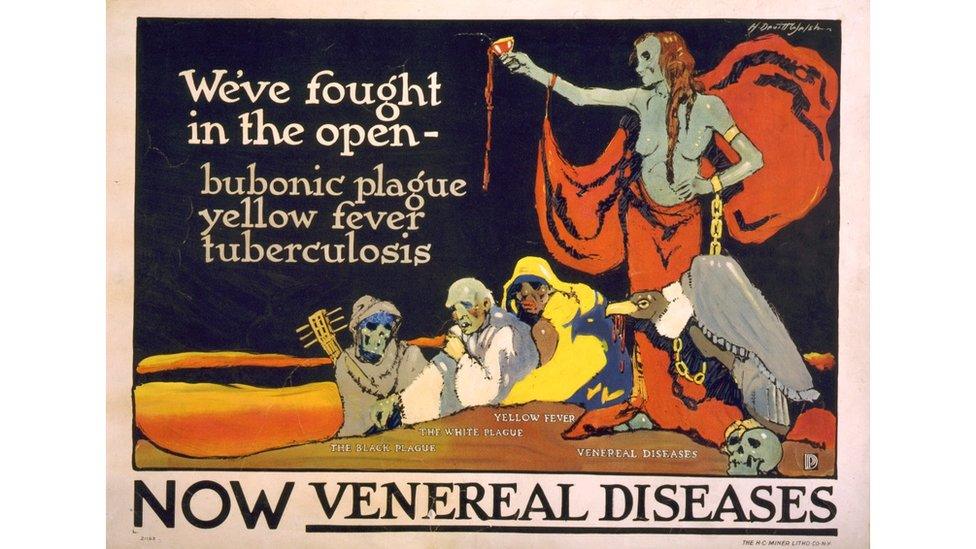
Nowadays STIs spread by bacteria often require a simple trip to the clinic and a course of antibiotics.
In the past they were often incurable and deadly.
Before killing you they could cause dreadful disfigurement.
The standard treatment for tuberculosis before antibiotics used to be – fresh air.
It’s a bacterial infection spread by people coughing and sneezing and it used to be rife in the UK.
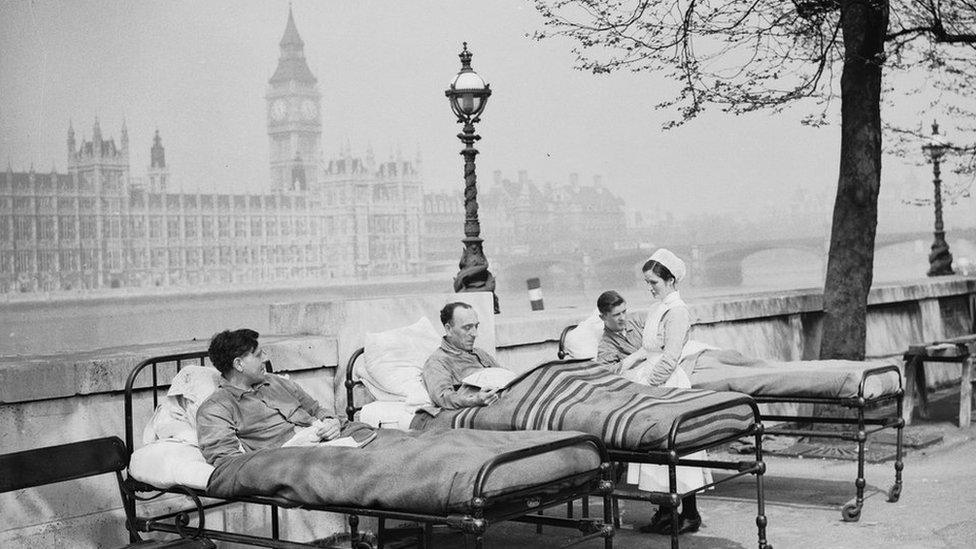
It attacks the lungs mainly but can damage any part of the body, including the glands, bones, and nervous system.
It’s rare here nowadays – but that’s thanks to antibiotics.
In the past a paper-cut could kill.
Anything which could lead to an infection.
That includes surgery of any kind.
And, in a future which is more like the past, procedures where the immune system’s currently given an antibiotic boost to help the body recover will be more dangerous.
For example chemotherapy and radiotherapy for cancer.
As will be any procedures where the immune system needs to be suppressed by antibiotics, like for organ transplants.
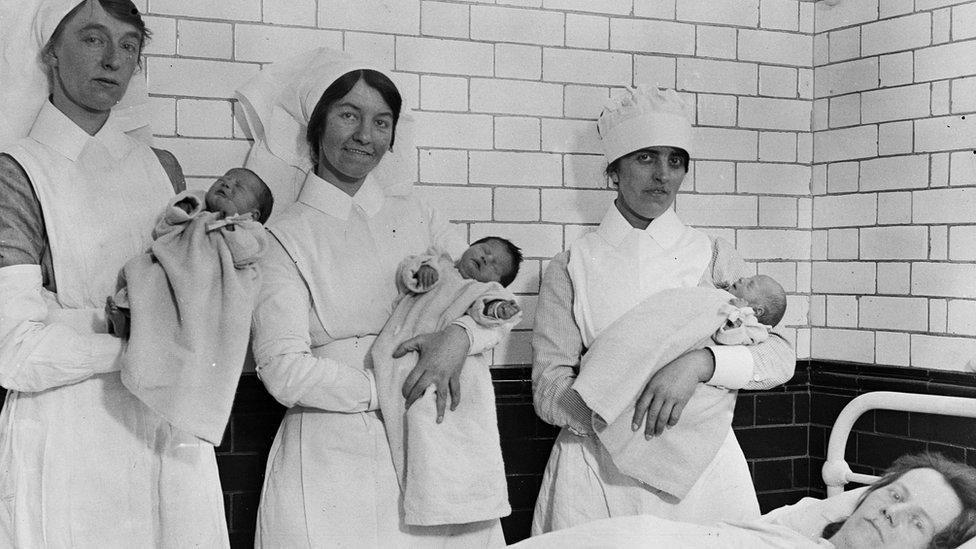
Giving birth was far, far more dangerous before antibiotics.
Both mothers and babies routinely died in childbirth right up until the 1930s, after which there was a dramatic decline.
Today the risk of a woman dying in England and Wales during labour is between 40 to 50 times lower than 60 years ago.
This is scary. Is there any hope?
Of course.
Because mankind is determined and ingenious.
Drug companies are putting more effort in to developing new antibiotics.
Mind you that’s not as easy as it sounds – there’s not been a new class of antibiotics discovered since the 1980s.
But there may be other kinds of antibacterial drugs – scientists are trying to develop organic compounds, some made from insects!
There’s even the possibility of nanotechnology – tiny, tiny (and we do mean really tiny) machines that go in to the body and fight the bacteria one by one.
And there are changes farmers and doctors could make globally.
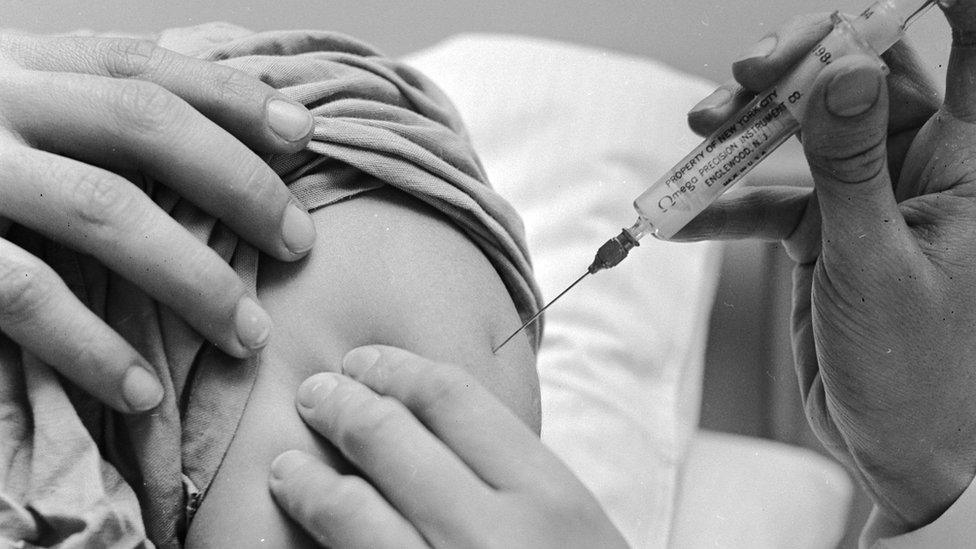
Europe’s banned giving antibiotics to farm animals to boost their growth but it does still happen around the world (one of the reasons the drug-resistant superbugs have emerged in China).
Doctors are already under huge pressure not to hand antibiotics out like sweets, which some did before for, even for infections caused by viruses, like colds, which can’t be cured this way.
And we can change – when you’re on antibiotics and told to finish the course of drugs even when you feel better -don’t ignore this advice.
It really does help stop bacteria developing resistance.
And if you don’t want nasty drug-resistant bacteria to get inside you in the future be strict about basic hygiene.
Wash your hands.
Especially when preparing food.
News

🐹 At 62, Julian Lennon Admits “I Utterly Hated Her”
Julian Lennon was born into a world that already belonged to someone else — a world consumed by Beatlemania and…

🐹 Top 6 Actors Ron Howard Hated the Most – You Won’t Believe Who’s!
Hollywood has spent decades painting Ron Howard as the industry’s gentle soul — the calm director, the childhood icon, the…
🐹 Photo from 1961: A Maid Poses Behind the Family… But Her Fate Was Very Different
In the dusty boxes of an estate sale in Veracruz, a single photograph was discovered wedged between yellowed newspapers from…

🐹 What They Found In Gene Hackman’s Mansion Will Leave You Sh*cked
Police Photos Taken Inside Gene Hackman and Betsy Arakawa’s $4 Million Home Show It Filled With Clutter and Garbage. Santa…

🐹 The Top 7 Actors Harrison Ford Refused To Forgive
Hollywood loves its legends quiet, polished, and polite. But Harrison Ford was never built for that kind of performance. Behind…

🐹 US forces kill 3 narco-terrorists in Eastern Pacific lethal strike operation targeting drug networks
U.S. forces carried out a lethal strike Saturday on a narcotics vessel operated by a designated terrorist organization in the…
End of content
No more pages to load






