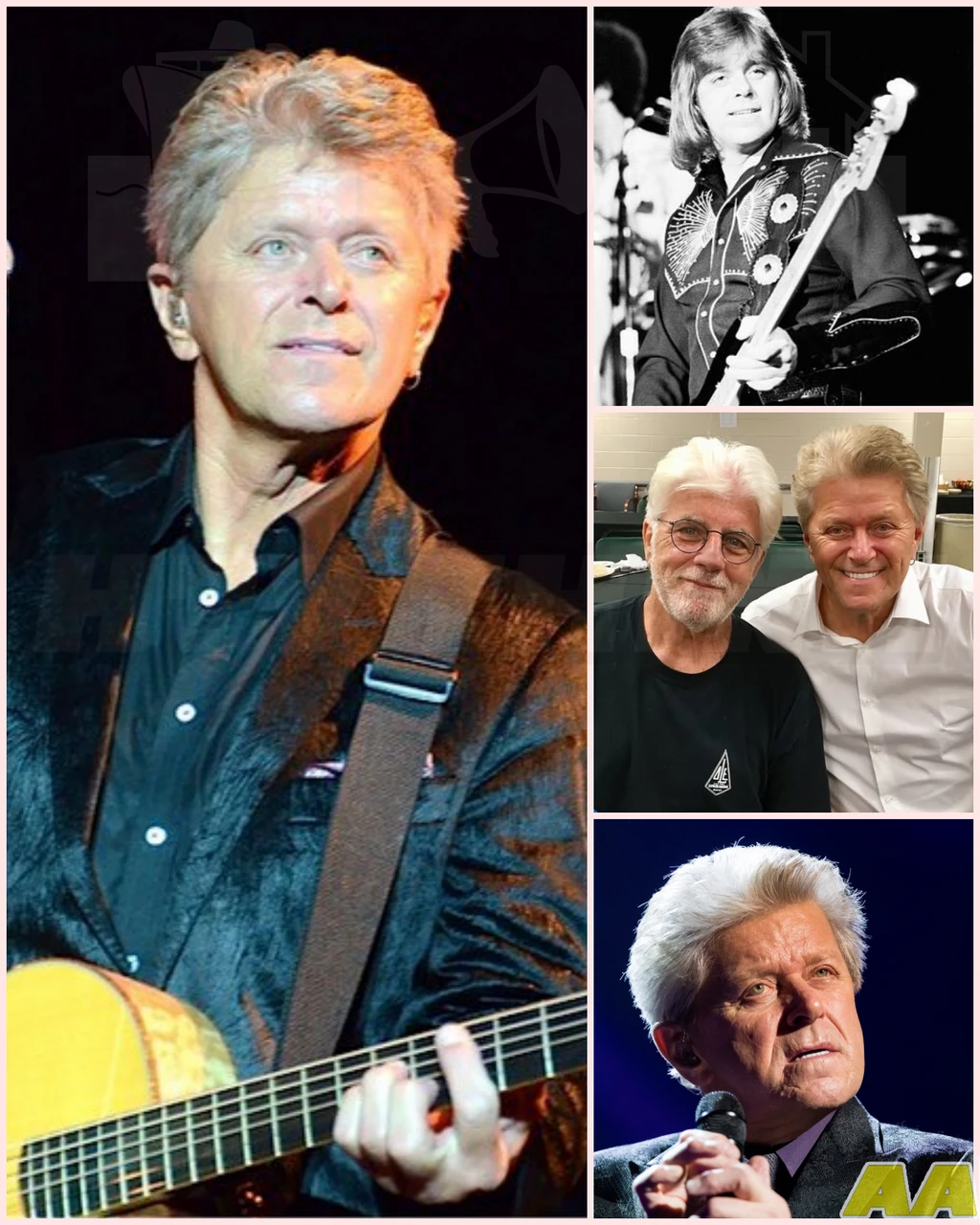
🌈 Peter Cetera: The Voice Who Walked Away From Fame to Find Freedom
In 1985, Peter Cetera, the unmistakable tenor voice behind some of the most iconic soft rock songs of the 1970s and 1980s, made a decision that stunned the music world. At the height of his fame with the band Chicago, Cetera quit.

It wasn’t about money, ego, or musical differences. It was about fatherhood.
The band refused to give him two weeks off to see his daughter. Cetera’s response was simple and devastating: “I just wanted to be a father.”
With that quiet sentence, Peter Cetera walked away from Chicago, from the tours, the platinum records, and the stadiums full of applause—everything most musicians spend a lifetime chasing.
The Voice of a Generation
For fifteen years, Peter Cetera had been the emotional heartbeat of Chicago. His voice carried hits like If You Leave Me Now, Hard to Say I’m Sorry, and You’re the Inspiration—songs that defined the sound of soft rock in the 1970s and early 1980s.
Cetera’s voice was both tender and powerful, capable of soaring effortlessly over brass arrangements and ballad harmonies alike. Fans described it as “a voice that could melt walls.” Yet behind that smooth sound was a man worn thin by endless touring, late-night recording sessions, and the relentless pace of fame.
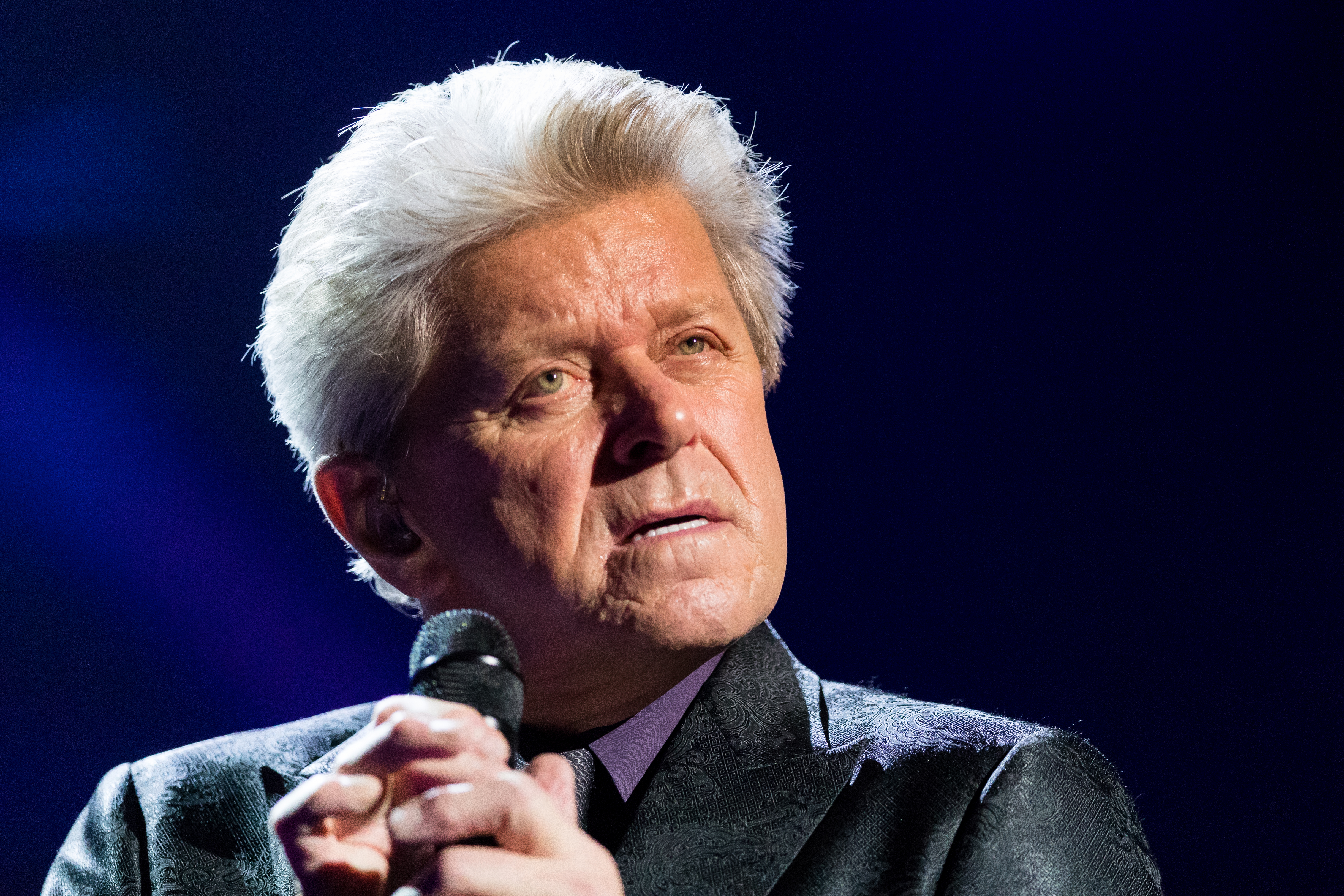
When the group told him the show must go on, Peter Cetera made the hardest choice of his life. He packed his bass, walked out of the studio, and didn’t look back.
The reaction was swift and unkind. Critics said he’d regret it. “You don’t walk away from a band like Chicago,” one wrote.
Even his former bandmates drifted away. Overnight, Cetera went from frontman to ghost, a superstar suddenly without a stage. But in that silence, something remarkable happened. “For the first time in years,” he said, “I could hear myself think.”
That quiet gave birth to his next chapter—and to one of the defining songs of the 1980s.
‘Glory of Love’: A Solo Anthem
Out of solitude came “Glory of Love,” the sweeping anthem written for The Karate Kid Part II. The song was pure Peter Cetera—romantic yet resilient, deeply personal yet universally moving.
“I am a man who will fight for your honor,” he sang, “I’ll be the hero you’re dreaming of.”
The world listened—and believed him. Glory of Love shot to number one on the Billboard charts, earned an Oscar nomination, and cemented Peter Cetera’s solo career. It was a song about devotion, loyalty, and standing alone—exactly what he was living.
Though he found success as a solo artist, the transition wasn’t easy. Rock radio turned its back on him. Critics labeled him too soft, a balladeer in an age that craved louder sounds.
But his music endured. Songs like The Next Time I Fall (a duet with Amy Grant), Restless Heart, and One Good Woman became soft rock classics, beloved not for flash or fame, but for their sincerity. “I don’t write to impress,” Cetera once said. “I write to connect.”
And connect he did. His voice became the soundtrack for weddings, long drives, heartbreaks, and quiet nights when people needed something real.

A Life Beyond the Spotlight
These days, Peter Cetera plays smaller venues—no flashing lights, no massive stages. But the fans who come don’t just sing along; they feel the songs. They come to see the man who chose life over legacy, who proved that peace can be louder than applause.
He left Chicago not to chase fame, but to reclaim himself—to be a father, a man, and an artist on his own terms. And in that choice, he discovered something rare in rock and roll: freedom.
“He turned separation into a song. He turned silence into melody. And in doing so,” a fan once wrote, “Peter Cetera sang the purest note of all—the sound of a man finally free.”
Today, Peter Cetera stands as one of the great voices of American music—a soft rock icon who defined an era and then dared to walk away from it.
His story isn’t about fame or regret. It’s about courage—the courage to choose family, peace, and purpose over everything else.
And in a world obsessed with more, Peter Cetera’s legacy reminds us that sometimes the greatest success is knowing when to stop, listen, and live.