
Exploring the John Benet Ramsey Case Through Behavioral Analysis
The John Benet Ramsey case remains one of the most confounding cold cases in American history.
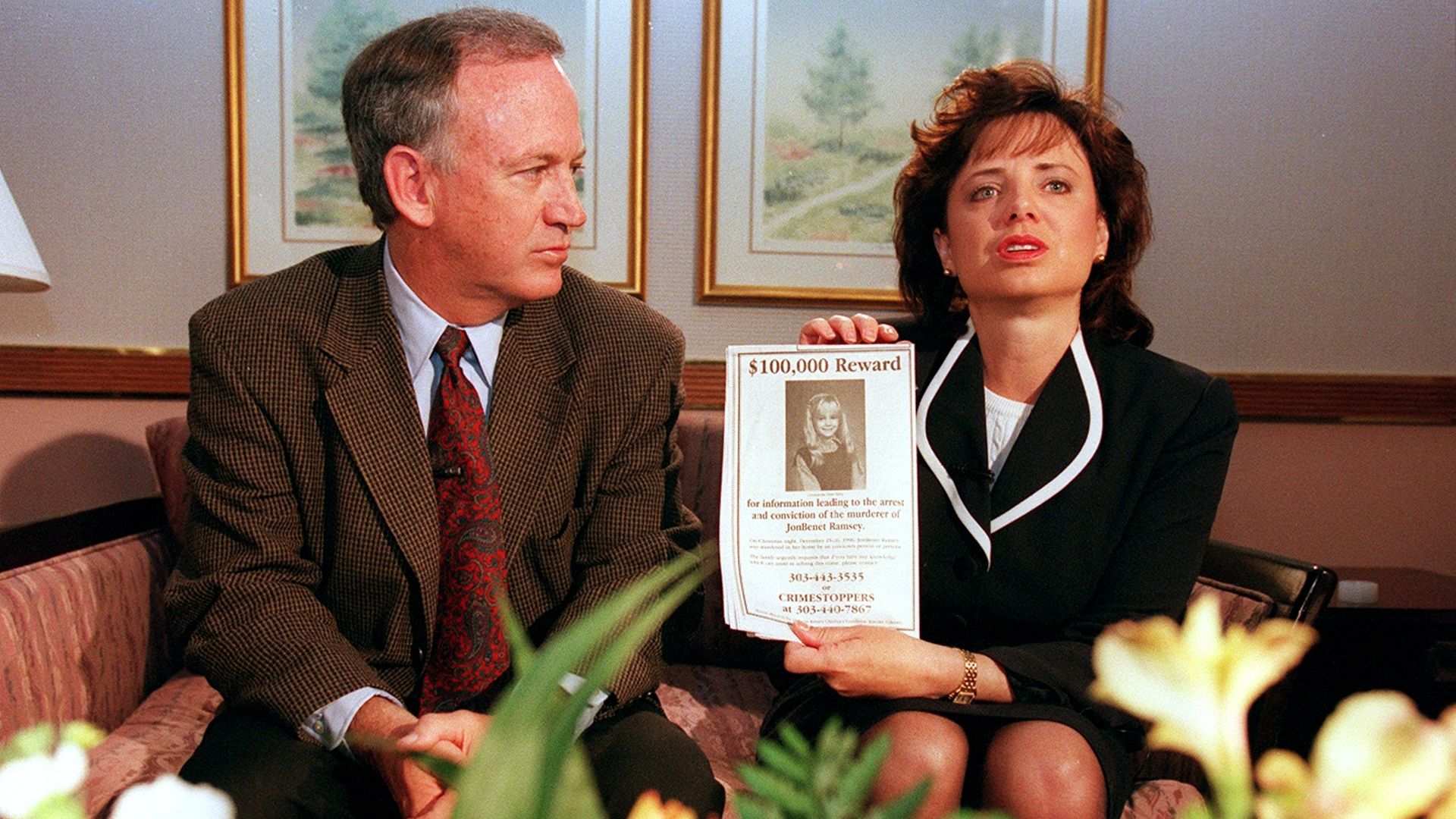
Netflix’s recent docuseries, Cold Case: Who Killed John Benet Ramsey?, revisits the events of December 26, 1996, when John and Patsy Ramsey discovered a strange ransom note in their home—and their daughter, JonBenét, was missing.
Shortly after, John Ramsey found her body in the basement, behind a door the police had previously overlooked.
The investigation and media coverage were chaotic, resulting in speculation about the parents’ involvement and leaving countless questions unanswered.
More than 25 years later, the documentary features old and new interviews with law enforcement, those involved in the case, and John Ramsey himself.
Behavioral analysis expert Joe Navarro, former FBI agent and bestselling author on body language, joins Spidey from Behavioral Arts to explore what non-verbal cues, word choices, and context can reveal about the case.

The Ransom Note
The ransom note’s content immediately raises questions.
Its length—almost three pages—is far beyond typical ransom notes.
Its phrasing, such as “we respect your business, but not the country that it serves,” is highly unusual and almost theatrical.
Navarro notes the shift in pronouns from “we” to “I,” suggesting inconsistency in the author’s perspective.
Other anomalies include the specific ransom amount—$118,000—a strange, non-rounded figure, and the highly formal address to “Mr.
Ramsey.
” Navarro emphasizes that seasoned criminals typically aim for expediency and minimal exposure; a note of this style seems inconsistent with standard criminal behavior, suggesting either inexperience or intentional misdirection.
Documentary Analysis Challenges
Both Navarro and Spidey stress that decades after the fact, memory is imperfect, and repeated retellings of events can affect storytelling.
Moreover, documentaries are directed for dramatic effect, influencing how individuals present themselves on camera.
Non-verbal cues—lip licking, shoulder shrugs, or tense facial expressions—might indicate discomfort, uncertainty, or simply the effect of performing for a camera.
Behavioral Observations of John and Patsy Ramsey
John Ramsey’s recounting of finding his daughter shows a straightforward narrative without over-explaining unusual details.
He does not linger on anomalies such as a broken window, which might indicate honesty in the retelling.
Conversely, some observations, like John going through the mail, were interpreted as suspicious by investigators but can be explained as natural behavior under stress.
Patsy Ramsey’s dramatic expressions in interviews reflect her communication style rather than deception.
Navarro advises that investigators differentiate between habitual theatricality and attempts to manipulate perception.

Investigation Missteps
Several missteps are highlighted:
The crime scene was not secured properly.
Police allowed family members to move through the house.
The detective present with John did not give clear instructions regarding potential evidence.
There was no systematic approach to preserving the scene or immediately recognizing critical indicators, such as the state of JonBenét’s body.
Navarro emphasizes that competent investigation requires humility and careful observation, without jumping to conclusions.
Even decades later, much about the case remains unexplained.
Key Takeaways
Behavioral analysis is context-dependent.
Non-verbal cues alone cannot confirm guilt or innocence.
Memory and storytelling are influenced by time, repeated retellings, and the presence of cameras.
Investigation quality can dramatically impact the preservation of critical evidence.
Many small anomalies in the Ramsey case—like the ransom note, broken window, and response to the threat—remain unexplained, highlighting the complexity of drawing conclusions from limited data.
Navarro concludes, “I still don’t know what happened.
I still don’t know who’s guilty.
All we can say is that there are so many unanswered questions.
News

At 56, The Tragedy Of Jennifer Aniston Is Beyond Heartbreaking
Behind the laughter, the fame, and the seemingly perfect Hollywood image of Jennifer Aniston lies a life marked by struggle,…

R. KELLY ATTACKED IN PRISON? Disturbing REPORTS and WHISPERS From Behind Bars Spark a Terrifying Question
R.Kelly’s collapse from global stardom did not end with a courtroom sentence. According to filings submitted by his legal team,…
What happened to Cesar Millan from Dog Whisperer? Is He Going to Jail?
The Truth Behind the Viral Claim About Cesar MillanWhy the Internet Suddenly Believed the Famous Dog Behaviorist Was Sentenced to…

Albert Lin Just Exposed What’s Hidden Beneath the Terracotta Army — And It’s Not What You Think
The world of television often appears polished and effortless, yet the truth behind the camera tells a very different story….

UK EXPLODES as King Charles DECLARES Divorce From Camilla After SHOCKING Betrayal
The Shocking Announcement of King Charles III’s Divorce from Queen Camilla In a dramatic turn of events, King Charles III…

After Locating Cleopatra’s Lost Tomb Archaeologists Found Terrifying Detail That Defies Explanation
For nearly two millennia, the final resting place of Cleopatra remained one of the greatest unsolved mysteries of the ancient…
End of content
No more pages to load






