
The Hidden Depths of Giza: Myths and Discoveries
Beneath the sands of Giza, a world of secrets lies waiting to be uncovered.
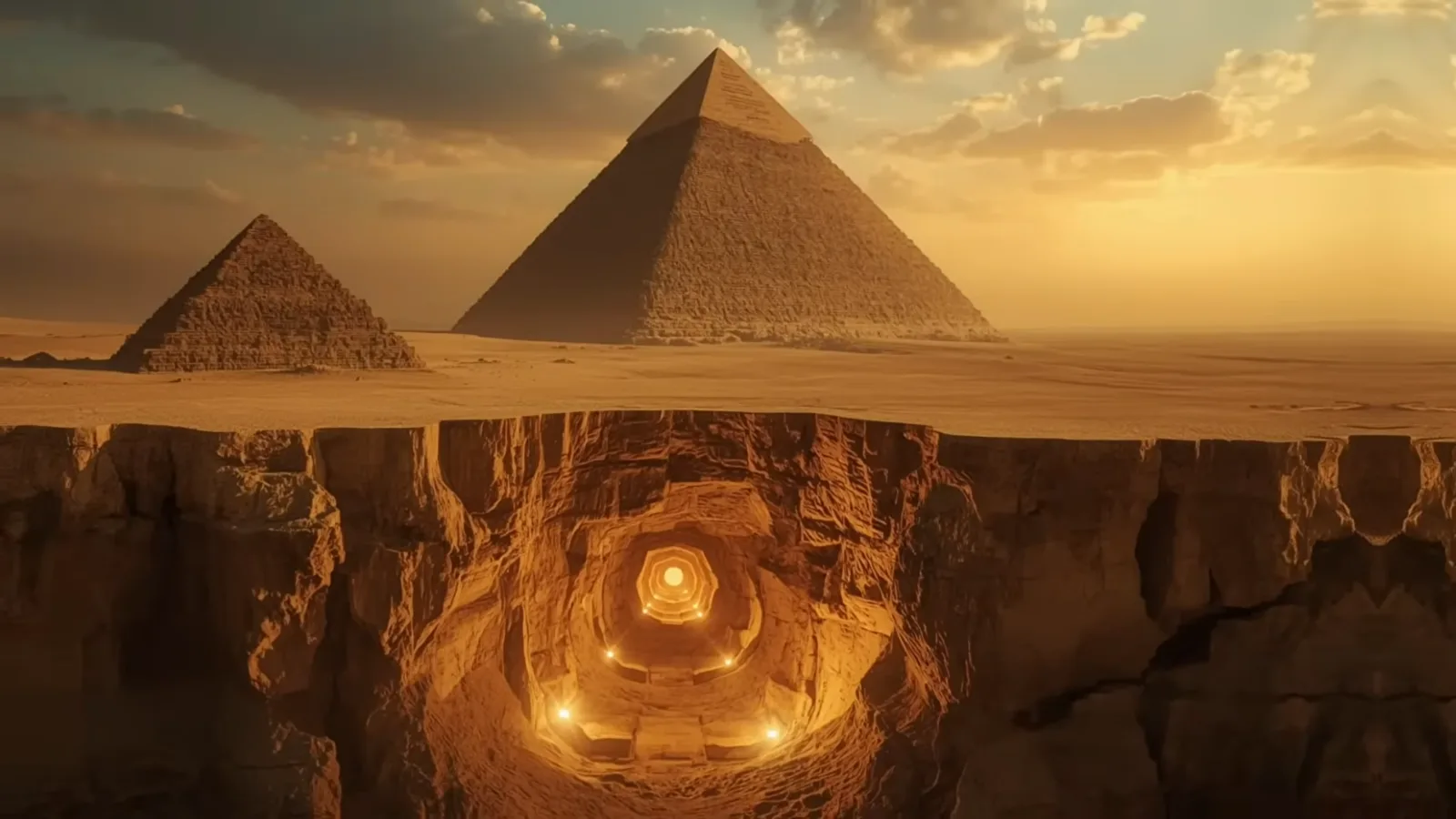
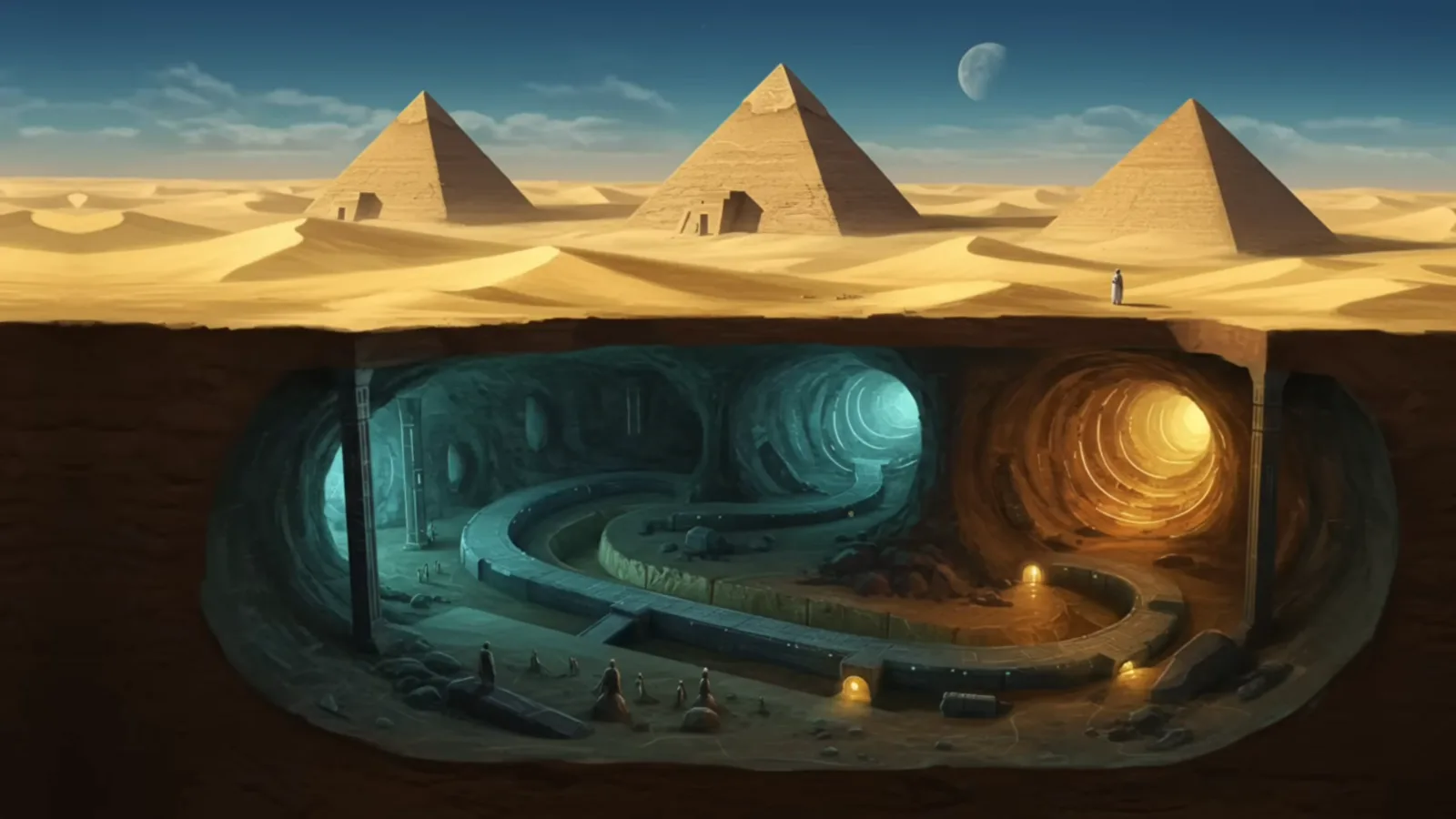
Whispers of hidden tunnels, flooded chambers, and expansive underground networks connecting the Great Pyramid and the Sphinx have intrigued historians and archaeologists for centuries.
Are these features real archaeological elements, symbolic representations of Egyptian mythology, or remnants of a forgotten civilization that has been lost to time?
This exploration delves into the myths, ancient texts, controversial discoveries, and modern scientific scans that continue to reveal anomalies beneath the Giza plateau.
From the enigmatic Osiris Shaft to the Inventory Stela, and from the animal catacombs at Saqqara to the mysterious voids detected through muon tomography, we will follow the evidence and the ongoing debate surrounding these fascinating sites.

The Great Pyramid and the Sphinx
The Great Pyramid of Giza, one of the Seven Wonders of the Ancient World, has long captivated the imagination of people around the globe.
Constructed around 2580–2560 BCE, this monumental structure was built as a tomb for the Pharaoh Khufu.
Adjacent to the pyramid stands the Great Sphinx, a colossal limestone statue with the body of a lion and the head of a human, believed to represent Pharaoh Khafre.
Both structures are shrouded in myth and mystery, and their construction has sparked numerous theories about the capabilities of ancient Egyptian civilization.
The Enigma of Underground Structures
The possibility of extensive underground networks beneath Giza has intrigued researchers for decades.
Some believe these tunnels and chambers were used for religious ceremonies, while others suggest they served practical purposes, such as storage or transportation.
Ancient texts, including the Pyramid Texts and various inscriptions, hint at the existence of hidden passages and chambers, further fueling speculation about what lies beneath the surface.
The Osiris Shaft
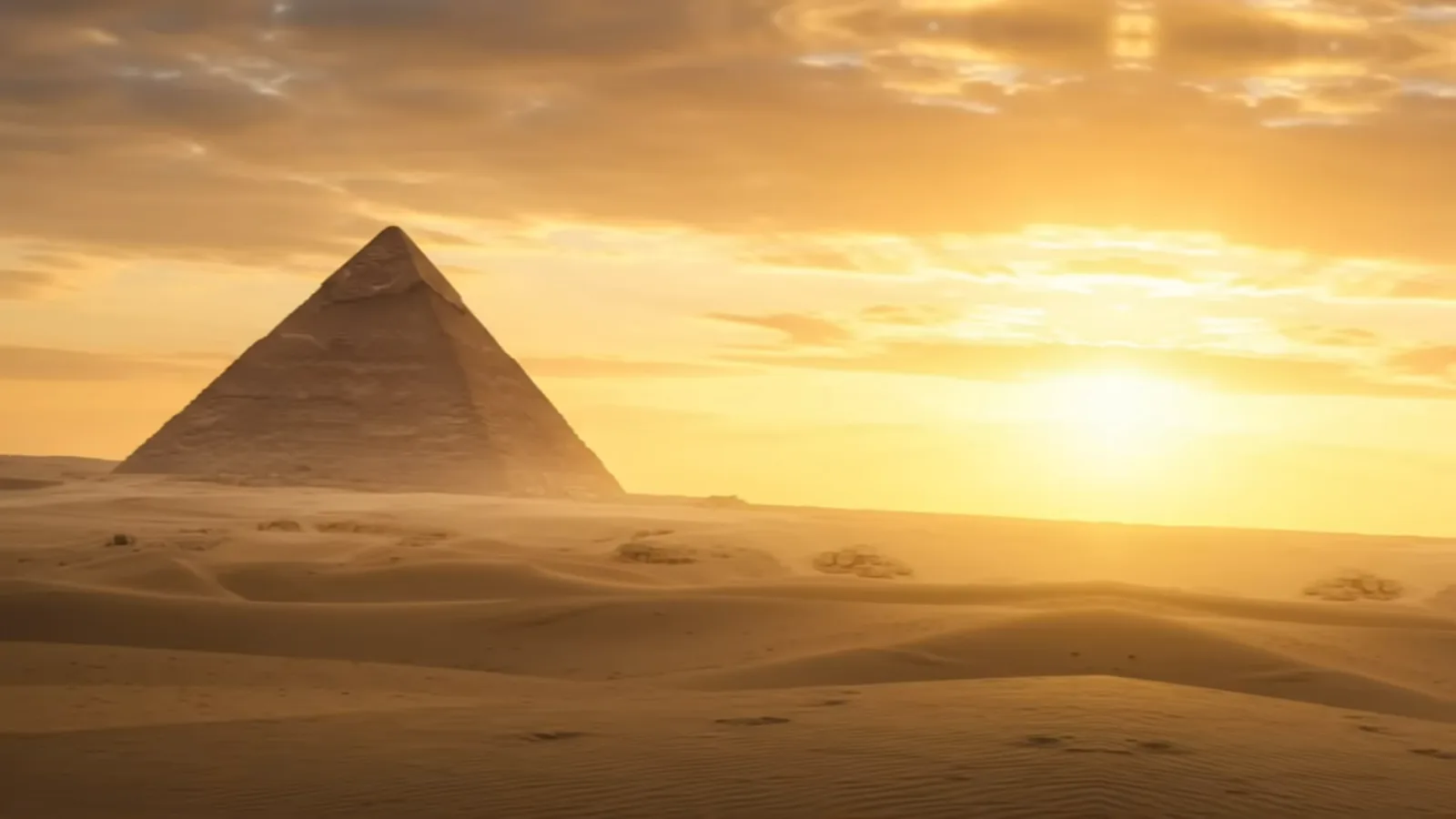
One of the most talked-about features in the Giza complex is the Osiris Shaft.
Discovered in the 1990s, this deep shaft is located near the Pyramid of Khufu and is believed to be linked to the ancient Egyptian god Osiris, who was associated with the afterlife and resurrection.
The shaft descends approximately 30 meters and contains a series of chambers filled with water, leading some researchers to speculate that it was part of a larger ritualistic complex.
The significance of the Osiris Shaft in understanding the religious practices of ancient Egyptians cannot be overstated.
However, its true purpose remains a subject of debate among historians and archaeologists.
The Inventory Stela
Another critical piece of evidence in the discussion of Giza’s underground features is the Inventory Stela.
Discovered in the 19th century, this ancient inscription details the inventory of the funerary goods placed within the Great Pyramid.
It also mentions the existence of a temple dedicated to the goddess Isis, suggesting that there may have been significant religious activities in the area.
The Inventory Stela raises questions about the relationship between the surface structures and any potential underground chambers that may have housed sacred artifacts.

Saqqara’s Animal Catacombs
Nearby, the site of Saqqara presents another layer of intrigue.
This ancient burial ground is known for its vast network of catacombs that housed the remains of sacred animals, such as cats, ibises, and bulls.
These catacombs demonstrate the importance of animal worship in ancient Egyptian culture.
The discoveries at Saqqara have led researchers to consider the possibility that similar catacombs may exist beneath Giza, potentially holding valuable insights into the religious practices of the time.
Muon Tomography: A Modern Tool
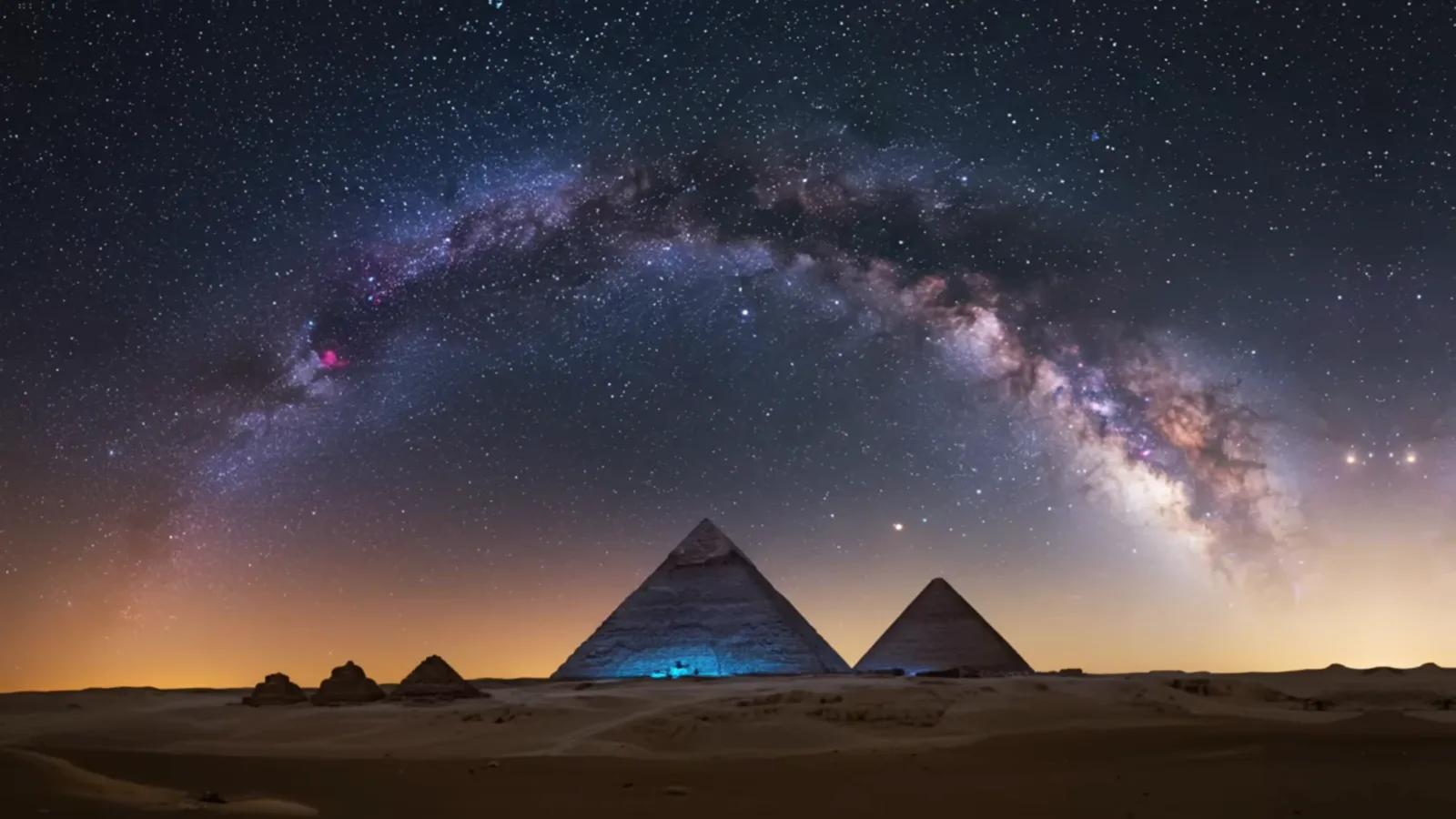
In recent years, advancements in technology have opened new avenues for exploring the mysteries of Giza.
Muon tomography, a technique that uses cosmic rays to create images of hidden structures, has been employed to scan the Great Pyramid and detect voids within its walls.
This non-invasive method has revealed anomalies that suggest the presence of previously unknown chambers.
The results of these scans have sparked excitement and debate within the archaeological community, as they may provide evidence of a more complex internal structure than previously thought.
The Debate: Scientific Revelation or Conspiracy?
As new discoveries emerge, historians remain divided on the implications of Giza’s underground features.
Some view the findings as groundbreaking revelations that enhance our understanding of ancient Egyptian civilization.
Others argue that the evidence could be part of a larger conspiracy, suggesting that knowledge of these underground networks has been deliberately hidden or suppressed.
This ongoing debate raises questions about the motivations behind the study of ancient Egypt and the narratives that have been constructed around its history.
The Role of Myth in Understanding History
Mythology plays a significant role in shaping our understanding of ancient civilizations.
In the case of Egypt, many myths center around the gods and goddesses who governed various aspects of life and death.
These stories often reflect the values and beliefs of the society, providing insight into how ancient Egyptians viewed their world.
The myths surrounding Giza, including the significance of the Sphinx and the pyramids, contribute to our understanding of the cultural context in which these structures were built.
The Importance of Preservation
As we uncover the secrets of Giza’s underground network, it is vital to prioritize the preservation of these historical sites.
Many ancient structures are at risk due to environmental factors, urban development, and tourism.
Preserving these sites allows future generations to learn from the past and appreciate the ingenuity of ancient cultures.
Efforts to protect and study these areas are essential for understanding the full scope of human history and the achievements of ancient civilizations.
The Future of Giza Research
The exploration of Giza’s underground network is ongoing, and new technologies will continue to play a crucial role in this research.
As scientists and archaeologists employ innovative methods to investigate these ancient structures, we can expect to uncover more about the lives and beliefs of those who built them.
The quest for knowledge about Giza is not merely an academic pursuit; it is also a journey to understand our shared human heritage.
Conclusion: The Echoes of Time
The hidden depths of Giza invite us to explore the mysteries of ancient Egypt, where myths, archaeological discoveries, and modern science converge.
From the Great Pyramid and the Sphinx to the enigmatic Osiris Shaft and the Inventory Stela, the evidence continues to unfold.
As we delve into these ancient wonders, we are reminded that history is a complex tapestry woven from the threads of countless stories.
The exploration of Giza’s underground network not only enriches our understanding of the past but also encourages us to reflect on the enduring legacy of human civilization.
In this journey through time, we find echoes of those who came before us, urging us to listen, learn, and appreciate the richness of our shared history.
News

At 56, The Tragedy Of Jennifer Aniston Is Beyond Heartbreaking
Behind the laughter, the fame, and the seemingly perfect Hollywood image of Jennifer Aniston lies a life marked by struggle,…

R. KELLY ATTACKED IN PRISON? Disturbing REPORTS and WHISPERS From Behind Bars Spark a Terrifying Question
R.Kelly’s collapse from global stardom did not end with a courtroom sentence. According to filings submitted by his legal team,…

What happened to Cesar Millan from Dog Whisperer? Is He Going to Jail?
The Truth Behind the Viral Claim About Cesar MillanWhy the Internet Suddenly Believed the Famous Dog Behaviorist Was Sentenced to…

Albert Lin Just Exposed What’s Hidden Beneath the Terracotta Army — And It’s Not What You Think
The world of television often appears polished and effortless, yet the truth behind the camera tells a very different story….

UK EXPLODES as King Charles DECLARES Divorce From Camilla After SHOCKING Betrayal
The Shocking Announcement of King Charles III’s Divorce from Queen Camilla In a dramatic turn of events, King Charles III…
After Locating Cleopatra’s Lost Tomb Archaeologists Found Terrifying Detail That Defies Explanation
For nearly two millennia, the final resting place of Cleopatra remained one of the greatest unsolved mysteries of the ancient…
End of content
No more pages to load






