
The Sinking of the RMS Titanic
The RMS Titanic sank on April 15, 1912, in the North Atlantic Ocean.
At the time, it was the largest ocean liner in service.
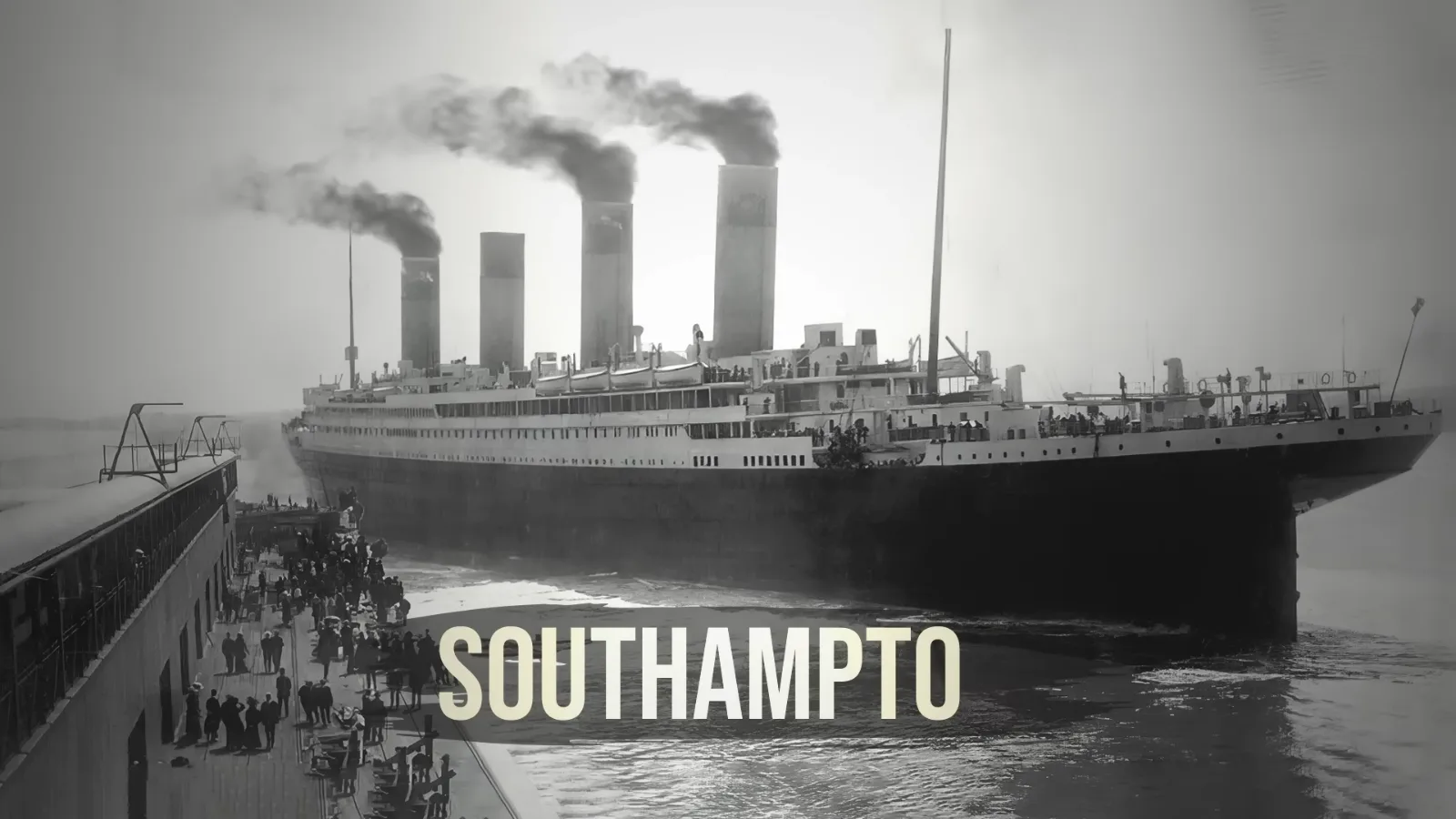
The Titanic was on her maiden voyage, traveling from Southampton, England, to New York City, United States.
Approximately 2,224 people were on board when the ship struck an iceberg at 23:40 on April 14.

Overview of the Voyage
The Titanic set sail on April 10, 1912, with great fanfare and optimism.
She was considered a marvel of modern engineering, boasting luxurious amenities and advanced safety features.
However, the ship’s design, while impressive, was not without flaws.
The Titanic was equipped with lifeboats, but not enough to accommodate all passengers and crew.
The Iceberg Collision
On the night of April 14, the Titanic was sailing through icy waters.
Despite warnings from other ships about icebergs in the area, the Titanic continued at high speed.
At 23:40, the ship collided with a massive iceberg.
The impact caused significant damage to the hull, leading to the flooding of several compartments.
The Aftermath of the Collision
As the ship began to sink, chaos ensued on board.
Passengers and crew struggled to comprehend the situation.
Many lifeboats were launched only partially filled due to confusion and disbelief about the severity of the disaster.
The Titanic sank in the early hours of April 15, with over 1,500 lives lost.
Discovery of the Wreck
For decades, the location of the Titanic wreck remained a mystery.
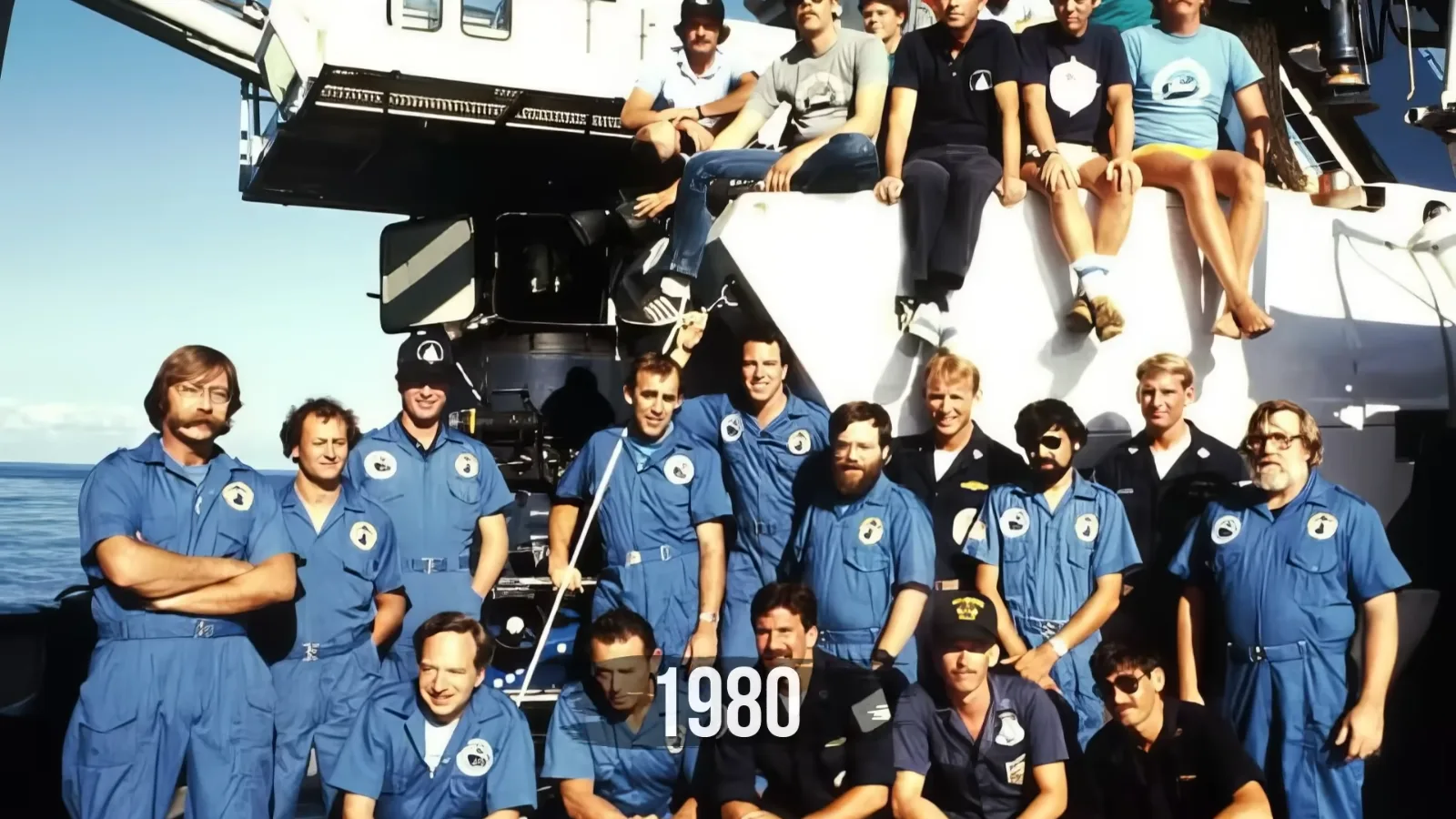
It was not until 1985 that a joint American-French expedition successfully located the wreckage.
The discovery was made using advanced sonar technology and remotely operated vehicles.
The Titanic was found approximately 12,500 feet below the surface of the North Atlantic..
Significance of the Discovery
The finding of the Titanic was a significant moment in maritime history.
It provided valuable insights into the events surrounding the disaster.
The wreck has since been the subject of numerous explorations and studies.
Artifacts recovered from the site have helped to illuminate the lives of those on board.
Conclusion
The sinking of the RMS Titanic remains one of the most tragic maritime disasters in history.
The ship’s story continues to captivate people around the world.
From its luxurious beginnings to its tragic end, the Titanic serves as a reminder of the vulnerabilities of even the most advanced technology.
The ongoing exploration of the wreck ensures that the legacy of the Titanic will endure for generations to come.
News

At 56, The Tragedy Of Jennifer Aniston Is Beyond Heartbreaking
Behind the laughter, the fame, and the seemingly perfect Hollywood image of Jennifer Aniston lies a life marked by struggle,…

R. KELLY ATTACKED IN PRISON? Disturbing REPORTS and WHISPERS From Behind Bars Spark a Terrifying Question
R.Kelly’s collapse from global stardom did not end with a courtroom sentence. According to filings submitted by his legal team,…

What happened to Cesar Millan from Dog Whisperer? Is He Going to Jail?
The Truth Behind the Viral Claim About Cesar MillanWhy the Internet Suddenly Believed the Famous Dog Behaviorist Was Sentenced to…

Albert Lin Just Exposed What’s Hidden Beneath the Terracotta Army — And It’s Not What You Think
The world of television often appears polished and effortless, yet the truth behind the camera tells a very different story….

UK EXPLODES as King Charles DECLARES Divorce From Camilla After SHOCKING Betrayal
The Shocking Announcement of King Charles III’s Divorce from Queen Camilla In a dramatic turn of events, King Charles III…

After Locating Cleopatra’s Lost Tomb Archaeologists Found Terrifying Detail That Defies Explanation
For nearly two millennia, the final resting place of Cleopatra remained one of the greatest unsolved mysteries of the ancient…
End of content
No more pages to load






