
The Loch Ness Mystery: A Comprehensive Exploration
Introduction to Loch Ness
Loch Ness, located in the Scottish Highlands, is one of the largest and most famous bodies of freshwater in the world.
Stretching approximately 23 miles long and reaching depths of over 700 feet, it is renowned not only for its stunning natural beauty but also for the legendary creature said to inhabit its depths: the Loch Ness Monster, affectionately known as “Nessie.”
The legend of Nessie has captivated the public imagination for centuries, leading to countless investigations, theories, and a significant amount of folklore surrounding the loch.

Historical Background
The history of Loch Ness and its monster dates back to ancient times.
The earliest written record of a creature resembling Nessie appears in the biography of St. Columba, an Irish monk, who reportedly encountered a “water beast” in the loch in 565 AD.
This account laid the groundwork for centuries of speculation and fascination with the idea of a mysterious creature lurking beneath the water’s surface.
Over the years, various sightings and reports of Nessie have emerged, contributing to the legend.
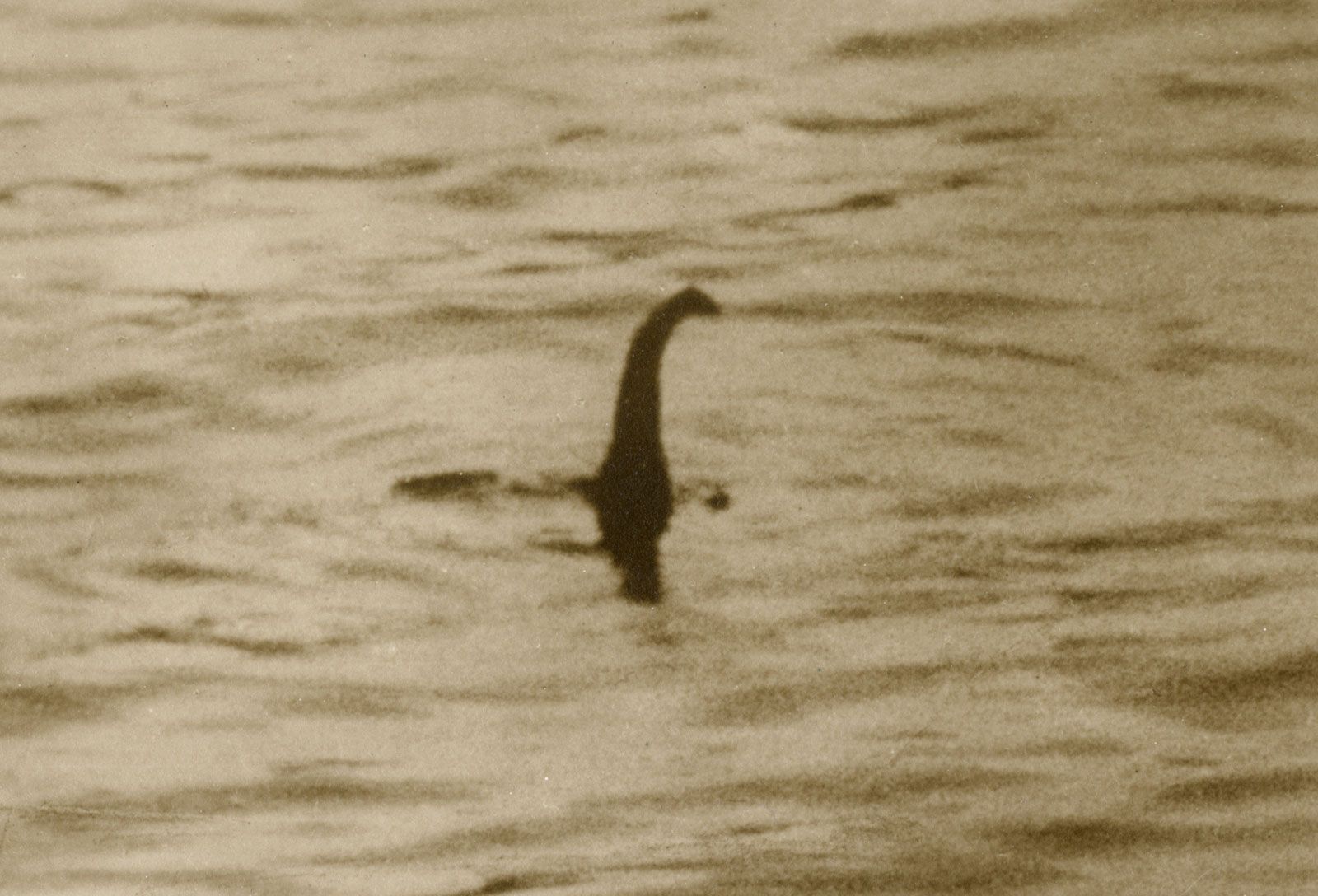
The 1930s marked a significant turning point when a photograph known as the “Surgeon’s Photo” was published, allegedly showing the creature’s head and neck emerging from the water.
This image fueled public interest and led to a surge in Loch Ness tourism, with visitors flocking to the area in hopes of catching a glimpse of the elusive monster.
Scientific Investigations
Despite the numerous claims and sightings, scientific investigations into the existence of Nessie have been ongoing for decades.
Researchers have employed various methods, including sonar scans, underwater photography, and environmental DNA (eDNA) analysis, to explore the depths of Loch Ness and determine whether any large creatures reside there.
In recent years, advancements in technology have provided scientists with new tools to investigate the loch more thoroughly.
For example, in 2018, a team of researchers utilized eDNA sampling to analyze water samples from Loch Ness.
By examining the genetic material present in the water, they aimed to identify any species that might be living in the loch, including the possibility of a large unknown creature.

The 2018 eDNA Study
The 2018 eDNA study, led by Professor Neil Gemmell from New Zealand, was a groundbreaking effort to uncover the truth behind the Loch Ness Monster.
The team collected water samples from various locations around the loch and analyzed them for DNA signatures.
Their findings revealed a diverse array of species, including fish, birds, and mammals, but they found no conclusive evidence of a large unidentified creature.
Instead, the study highlighted the ecological richness of Loch Ness, showcasing the variety of life that thrives in its waters.
While the results did not confirm the existence of Nessie, they provided valuable insights into the loch’s ecosystem and sparked further discussions about the legend.
The Role of Folklore and Culture
The Loch Ness Monster has become an integral part of Scottish folklore and culture.
Nessie is often depicted in art, literature, and popular media, contributing to the mystique surrounding the loch.
The legend has inspired numerous documentaries, films, and books, each exploring the possibility of the creature’s existence and the allure of the unknown.
Local businesses have capitalized on the monster’s fame, with souvenir shops, themed attractions, and guided tours drawing tourists eager to learn more about Nessie.
The tourism industry surrounding Loch Ness has flourished, with many visitors hoping to catch a glimpse of the elusive creature or at least participate in the excitement of the search.
Recent Discoveries and Developments
In recent years, scientists have made significant strides in understanding the Loch Ness ecosystem and the factors that contribute to the enduring mystery of Nessie.
In 2021, a new initiative was launched to conduct a comprehensive survey of Loch Ness using advanced sonar technology.
This project aimed to create a detailed map of the loch’s underwater topography and identify any anomalies that could indicate the presence of large creatures.
The use of sonar technology allows researchers to visualize the underwater landscape, revealing features that may have previously gone unnoticed.
This approach not only aids in the search for Nessie but also enhances our understanding of the loch’s geology and hydrology.
The Impact of Climate Change
As scientists continue to explore Loch Ness, they are also considering the effects of climate change on the loch’s ecosystem.
Shifts in temperature, water levels, and biodiversity can impact the species that inhabit the area and the overall health of the loch.
Understanding these changes is crucial for conservation efforts and preserving the unique environment of Loch Ness.
The Mystery Continues
Despite the lack of definitive evidence supporting the existence of Nessie, the legend endures.
The combination of historical accounts, modern scientific investigations, and cultural significance keeps the mystery alive.
Many enthusiasts remain hopeful that new discoveries will eventually reveal the truth behind the Loch Ness Monster.
The ongoing search for Nessie reflects humanity’s fascination with the unknown and our desire to uncover the secrets of the natural world.
As technology advances and research continues, the possibility of new findings remains.
Conclusion
The Loch Ness mystery is a captivating tale that intertwines history, science, and folklore.
While recent scientific investigations have not confirmed the existence of a large creature in the loch, they have provided valuable insights into the ecosystem and the enduring allure of the legend.
Loch Ness continues to be a symbol of mystery and intrigue, drawing visitors from around the world who seek to experience its beauty and the excitement of the unknown.
As we look to the future, the quest for answers will undoubtedly continue, keeping the spirit of exploration alive in the heart of Scotland.
Whether Nessie is a reality or a myth, the story of Loch Ness remains a testament to our fascination with the mysteries of the natural world.
News

At 56, The Tragedy Of Jennifer Aniston Is Beyond Heartbreaking
Behind the laughter, the fame, and the seemingly perfect Hollywood image of Jennifer Aniston lies a life marked by struggle,…

R. KELLY ATTACKED IN PRISON? Disturbing REPORTS and WHISPERS From Behind Bars Spark a Terrifying Question
R.Kelly’s collapse from global stardom did not end with a courtroom sentence. According to filings submitted by his legal team,…

What happened to Cesar Millan from Dog Whisperer? Is He Going to Jail?
The Truth Behind the Viral Claim About Cesar MillanWhy the Internet Suddenly Believed the Famous Dog Behaviorist Was Sentenced to…

Albert Lin Just Exposed What’s Hidden Beneath the Terracotta Army — And It’s Not What You Think
The world of television often appears polished and effortless, yet the truth behind the camera tells a very different story….

UK EXPLODES as King Charles DECLARES Divorce From Camilla After SHOCKING Betrayal
The Shocking Announcement of King Charles III’s Divorce from Queen Camilla In a dramatic turn of events, King Charles III…

After Locating Cleopatra’s Lost Tomb Archaeologists Found Terrifying Detail That Defies Explanation
For nearly two millennia, the final resting place of Cleopatra remained one of the greatest unsolved mysteries of the ancient…
End of content
No more pages to load






