
The Challenger Disaster: Unveiling the Truth Beneath the Waves
On January 28, 1986, the Space Shuttle Challenger lifted off from Cape Canaveral, Florida, with great anticipation and hope.
This mission, designated STS-51-L, was particularly special as it included the first teacher in space, Christa McAuliffe.
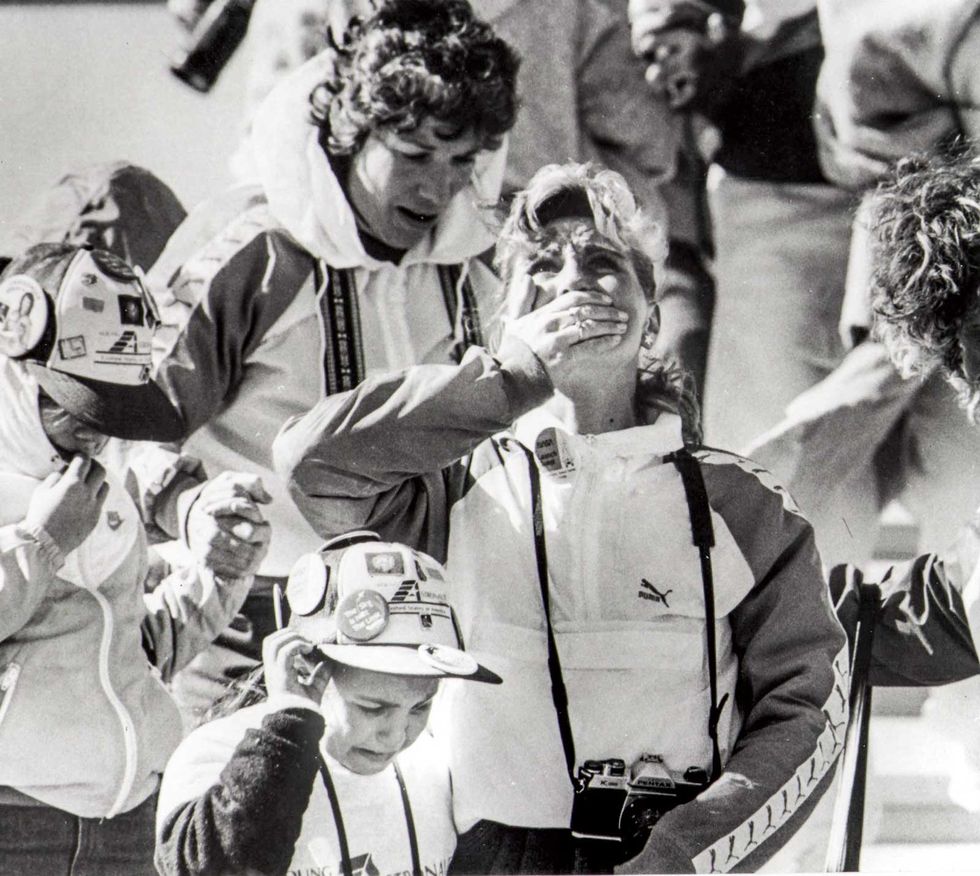
The excitement surrounding this launch was palpable, with millions of viewers tuning in to witness history in the making.
However, just 73 seconds into the flight, tragedy struck.
The Challenger disintegrated in mid-air, resulting in the loss of all seven crew members aboard.
In the wake of this catastrophic event, the nation was left in shock and mourning.
The immediate aftermath saw a massive search and recovery operation initiated to locate the wreckage of the shuttle and the remains of the crew.
What divers discovered beneath the ocean’s surface was not merely debris; it was a haunting reminder of the disaster that unfolded that fateful day.

The Recovery Operation
The recovery efforts were complex and challenging.
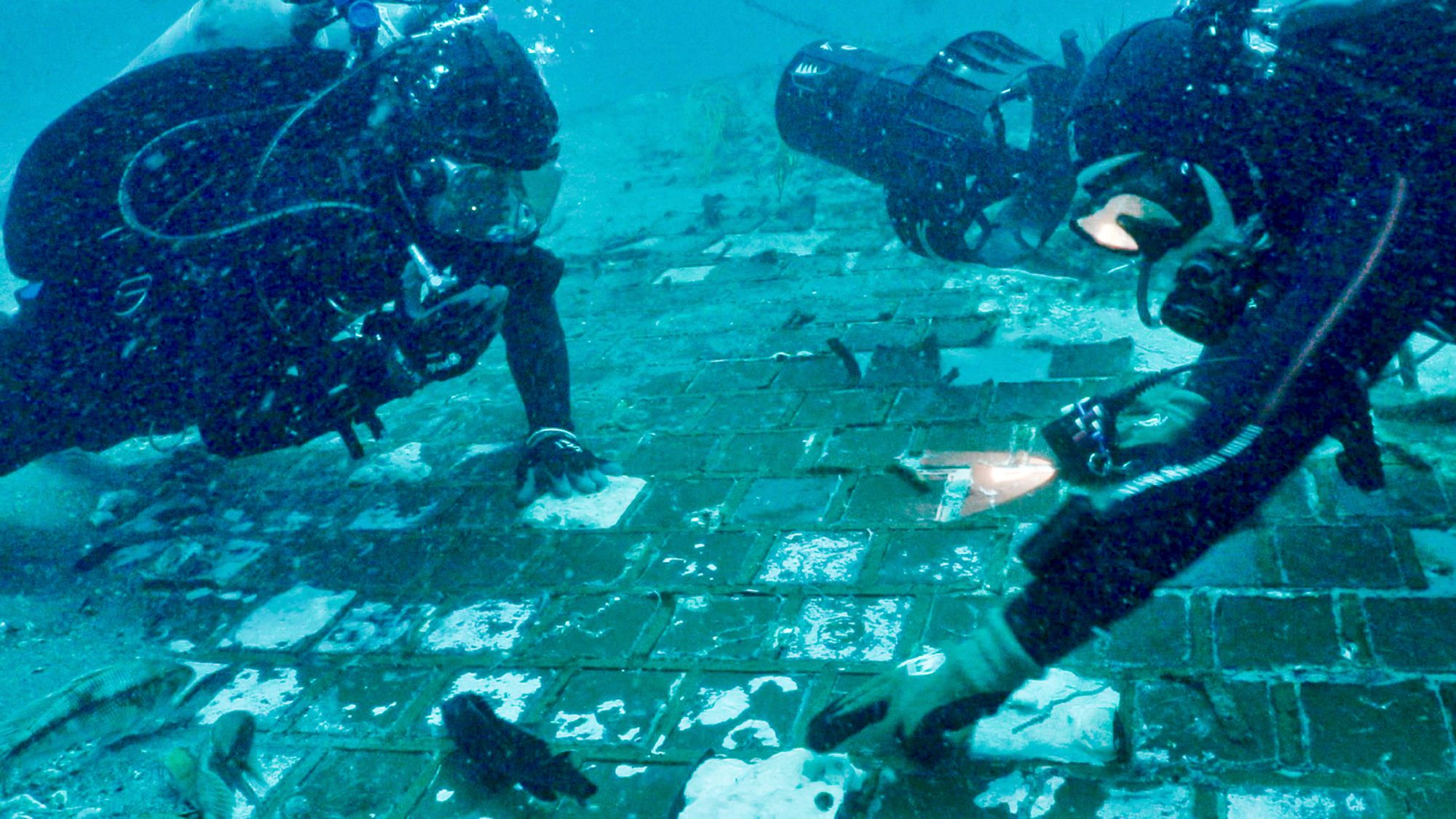
Divers were deployed to the depths of the Atlantic Ocean, where the Challenger’s remnants had come to rest.
The ocean, with its dark and frigid waters, concealed the truth of what had transpired during those critical moments of flight.
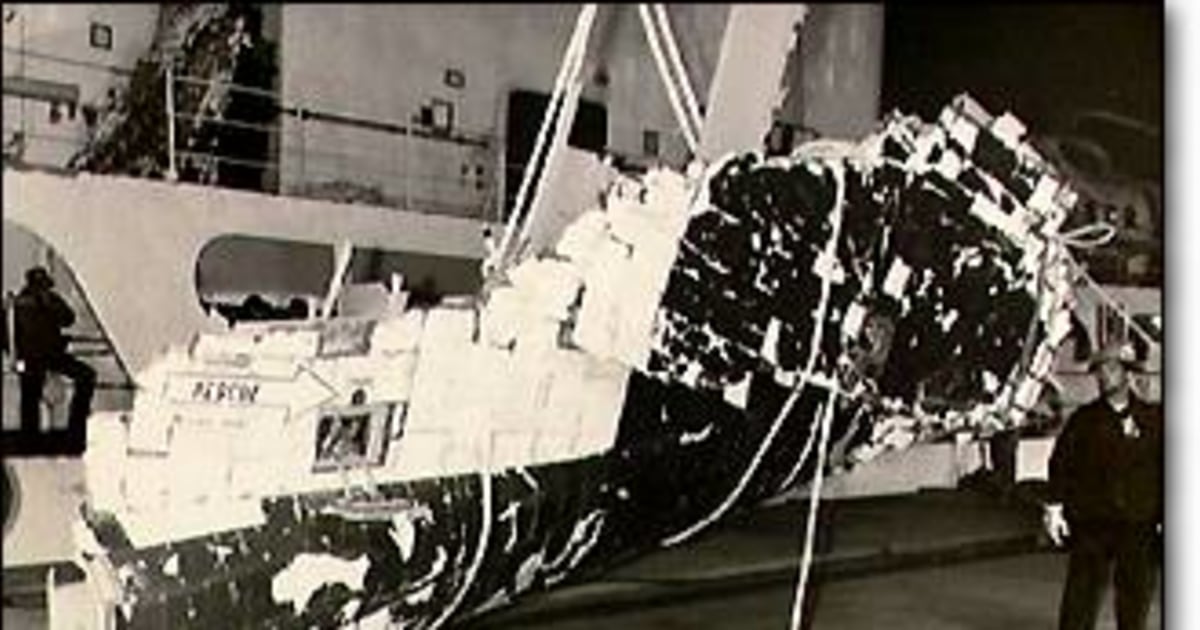
As divers descended into the depths, they encountered twisted metal, scorched panels, and fragments of the shuttle that had been violently torn apart.
Each piece of wreckage pulled from the ocean floor told a story.
The investigation into the Challenger disaster was not just about recovering physical evidence; it was also about understanding the sequence of events that led to the explosion.
The National Aeronautics and Space Administration (NASA), along with other agencies, faced intense scrutiny as they worked to piece together the circumstances surrounding the disaster.
The Crew and Their Legacy
The crew of the Challenger was a diverse group of individuals, each with their unique backgrounds and aspirations.
They included:
Francis R.Scobee
- – The commander of the mission, who had a passion for space exploration.
Michael J.Smith
- – The pilot, known for his dedication and experience as a naval aviator.
Ronald McNair
- – A physicist and mission specialist, he was the second African American in space.
Ellison Onizuka
- – The first Asian American astronaut, who had a deep commitment to science and education.
Judith Resnik
- – A mission specialist, she was a pioneer for women in aerospace.
Christa McAuliffe
- – The payload specialist and teacher, who aimed to inspire students across the nation.
Greg Jarvis
- – A payload specialist, he brought expertise in communications technology.
The loss of these seven astronauts resonated deeply within the community and the nation.
Their dreams and ambitions were cut short, but their legacies lived on.
In the years following the disaster, educational programs and initiatives were created in their honor, encouraging future generations to pursue careers in science, technology, engineering, and mathematics (STEM).
Investigating the Cause
The investigation into the Challenger disaster was thorough and extensive.
The Rogers Commission was established to uncover the reasons behind the tragedy.
It examined the technical failures that occurred during the launch, focusing on the O-rings that sealed the solid rocket boosters.
These O-rings were found to have failed due to the unusually cold temperatures on the day of the launch, which compromised their ability to maintain a proper seal.
The findings of the commission revealed a troubling culture within NASA at the time.
There were significant concerns raised by engineers about the safety of the shuttle, but these warnings were overlooked in the push to proceed with the launch.
The commission’s report highlighted a lack of communication and a failure to prioritize safety, which ultimately contributed to the disaster.
The Impact on Space Exploration
The Challenger disaster had a profound effect on NASA and the future of space exploration.
In the immediate aftermath, the shuttle program was suspended, and a comprehensive review of safety protocols was undertaken.
The tragedy served as a sobering reminder of the risks associated with space travel and the importance of rigorous safety measures.
In the years that followed, NASA implemented numerous changes to enhance the safety of its missions.
This included redesigning components of the shuttle, improving communication protocols, and fostering a culture of safety that encouraged engineers and staff to voice concerns without fear of repercussions.
The lessons learned from the Challenger disaster also influenced international space programs.
Countries around the world took notice of the need for stringent safety standards and protocols in their own space endeavors.
The tragedy underscored the reality that space exploration is fraught with danger, and that a commitment to safety must always be at the forefront of any mission.
Remembering the Challenger Crew
As time passed, the memory of the Challenger crew became a symbol of courage and sacrifice.
Anniversaries of the disaster are marked by memorials and tributes, honoring the lives lost and their contributions to space exploration.
Educational initiatives continue to celebrate the legacy of Christa McAuliffe and her fellow astronauts, inspiring new generations to dream big and reach for the stars.
In schools across the nation, students learn about the Challenger disaster as part of their science and history curricula.
They explore the challenges of space travel, the importance of teamwork, and the need for perseverance in the face of adversity.
The story of the Challenger crew serves as a reminder that while the pursuit of knowledge and exploration can come with risks, the human spirit’s desire to explore and innovate remains unyielding.
Conclusion
The Challenger disaster remains a pivotal moment in the history of space exploration.
It serves as a reminder of both the triumphs and tragedies that accompany humanity’s quest to reach beyond our planet.
The ocean, which held the remnants of the shuttle and the memories of the crew, also kept the truth hidden for years.
However, through investigation and remembrance, the story of the Challenger and its crew has emerged from the depths, ensuring that their legacy will not be forgotten.
As we look to the future of space exploration, it is essential to honor the lessons learned from the Challenger disaster.
The commitment to safety, the pursuit of knowledge, and the courage of those who dare to explore the unknown must continue to guide us as we venture into the cosmos.
The spirit of the Challenger crew lives on, inspiring us to reach for the stars while remembering the sacrifices made along the way.
News

At 56, The Tragedy Of Jennifer Aniston Is Beyond Heartbreaking
Behind the laughter, the fame, and the seemingly perfect Hollywood image of Jennifer Aniston lies a life marked by struggle,…

R. KELLY ATTACKED IN PRISON? Disturbing REPORTS and WHISPERS From Behind Bars Spark a Terrifying Question
R.Kelly’s collapse from global stardom did not end with a courtroom sentence. According to filings submitted by his legal team,…

What happened to Cesar Millan from Dog Whisperer? Is He Going to Jail?
The Truth Behind the Viral Claim About Cesar MillanWhy the Internet Suddenly Believed the Famous Dog Behaviorist Was Sentenced to…

Albert Lin Just Exposed What’s Hidden Beneath the Terracotta Army — And It’s Not What You Think
The world of television often appears polished and effortless, yet the truth behind the camera tells a very different story….

UK EXPLODES as King Charles DECLARES Divorce From Camilla After SHOCKING Betrayal
The Shocking Announcement of King Charles III’s Divorce from Queen Camilla In a dramatic turn of events, King Charles III…

After Locating Cleopatra’s Lost Tomb Archaeologists Found Terrifying Detail That Defies Explanation
For nearly two millennia, the final resting place of Cleopatra remained one of the greatest unsolved mysteries of the ancient…
End of content
No more pages to load






