
The Dark Secrets of Felix Yusupov: Did He Really Kill Rasputin or Create a Legend?
Felix Yusupov is known as the man who assassinated Grigori Rasputin, the infamous mystic who held sway over the Russian royal family.
His memoirs have long been regarded as the definitive account of that fateful night.
However, recent research has revealed shocking discrepancies between Yusupov’s narrative and the autopsy findings.
As we dive into the details, we uncover not just the truth about Rasputin’s death, but the desperate motivations behind Yusupov’s need to craft a myth.
What really happened that night, and why does it matter? Join us as we unravel the tangled web of history, legend, and self-preservation.
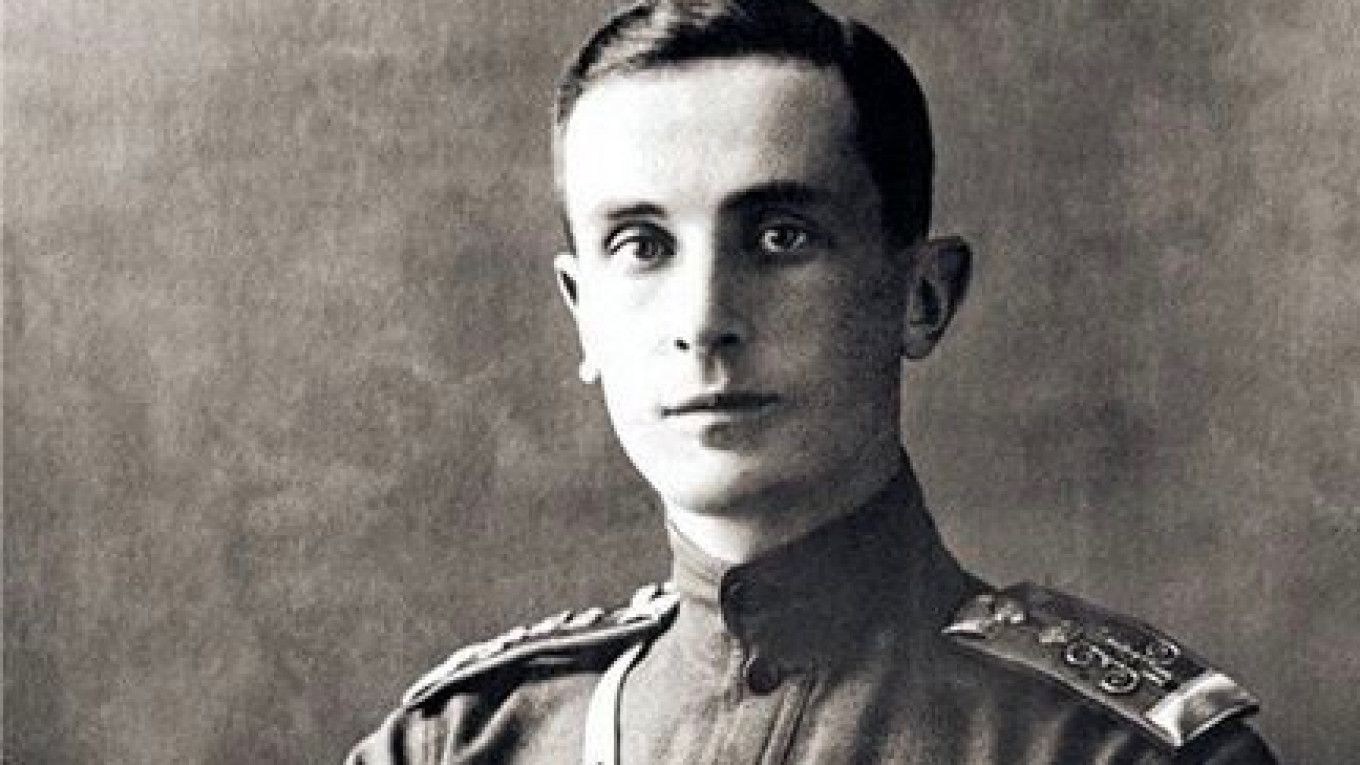
On December 30, 1916, the icy waters of the Neva River concealed a body that would become the subject of legend.
Grigori Rasputin, the so-called mad monk, was believed to have been killed in a dramatic fashion, poisoned, shot, and left to die in the cold.
Felix Yusupov, a prince and one of the conspirators, claimed that Rasputin had defied death, rising from the brink after consuming poison and enduring multiple gunshots.
However, the autopsy told a different story.
When investigators examined Rasputin’s body, they found no trace of poison in his system.
Instead, he had three bullet wounds: one in the back, one in the side, and a final shot to the forehead.
The clinical report revealed no signs of struggle, no supernatural resurrection, just a cold execution under the cover of night.
The legend of Rasputin’s death began to dissolve, revealing the stark reality of a political assassination.
In 1927, Yusupov published his memoir, “Rasputin: His Malignant Influence and His Assassination,” which painted a vivid and theatrical account of the events.
He described lacing cakes with poison and watching Rasputin consume them, only to later shoot him in a moment of desperation.
The memoir was filled with dramatic flair, portraying Yusupov as a hero battling an evil force.
This narrative captured the imagination of Europe, turning Yusupov into a celebrated figure.
However, historians and biographers have since pointed out that his account was more theater than truth.
Many of Yusupov’s co-conspirators disputed his version of events, and some admitted to exaggerations.
The body told one story, while the memoir told another, and for decades, the world chose to believe the prince over the cold facts.
Yusupov’s decision to publish his memoirs was not merely about recounting history; it was a desperate attempt to reclaim his relevance in a world that had changed drastically.
After the Russian Revolution, Yusupov found himself living in exile in Paris, stripped of his wealth and status.
The empire he once served had crumbled, and he was just another forgotten aristocrat trying to survive.
By crafting a dramatic narrative of Rasputin’s death, Yusupov sought to redefine himself as a patriot and savior of Russia, not just a frivolous nobleman.
He framed the assassination as a necessary act to protect the Romanov dynasty, a way to justify his actions in a world that no longer valued the aristocracy.
His memoir became a means of self-exoneration, a way to shape his legacy in a time of uncertainty.

Interestingly, Yusupov’s narrative began to shift over the years.
In his later memoir, “Lost Splendor,” published in 1954, he adopted a more reflective tone.
The grandiose claims of his earlier work were replaced by a sense of melancholy and regret.
He acknowledged the complexity of his actions and the consequences they had on Russia’s fate.
This change in perspective highlights the internal struggle Yusupov faced as he grappled with the reality of his actions.
The certainty of his earlier memoir gave way to doubt, as he questioned whether he had truly saved Russia or inadvertently contributed to its downfall.
His reflections reveal a man haunted by the ghost of Rasputin, unable to escape the shadow of his own legend.
Further complicating the narrative is the involvement of Oswald Rener, an acquaintance of Yusupov who allegedly helped edit the English editions of his memoirs.
Rener’s presence raises questions about the authenticity of Yusupov’s account.
Some historians speculate that Rener may have been involved in the assassination, adding another layer of intrigue to the story.
The collaboration between Yusupov and Rener blurred the lines between confession and fiction, transforming a personal account into a carefully crafted narrative designed to absolve them both.
Yusupov’s memoirs became a tool for shaping public perception, turning a politically motivated assassination into a tale of heroism and divine struggle.
As time passed, Rasputin transformed from a historical figure into a legend, a cinematic villain immortalized in film and literature.
Yusupov, once celebrated as a hero, became a supporting character in the myth he created.
His attempts to control the narrative through lawsuits and public statements only served to keep Rasputin’s story alive, entrapping him in a cycle of guilt and desperation.
In his later years, Yusupov lived in a modest Paris apartment, surrounded by fading memories of his former grandeur.
The man who once dined with emperors found himself haunted by the very actions he had taken to preserve his legacy.
His refusal to confront the truth about Rasputin’s death only deepened his internal conflict, as he struggled to reconcile his past with the reality of his present.
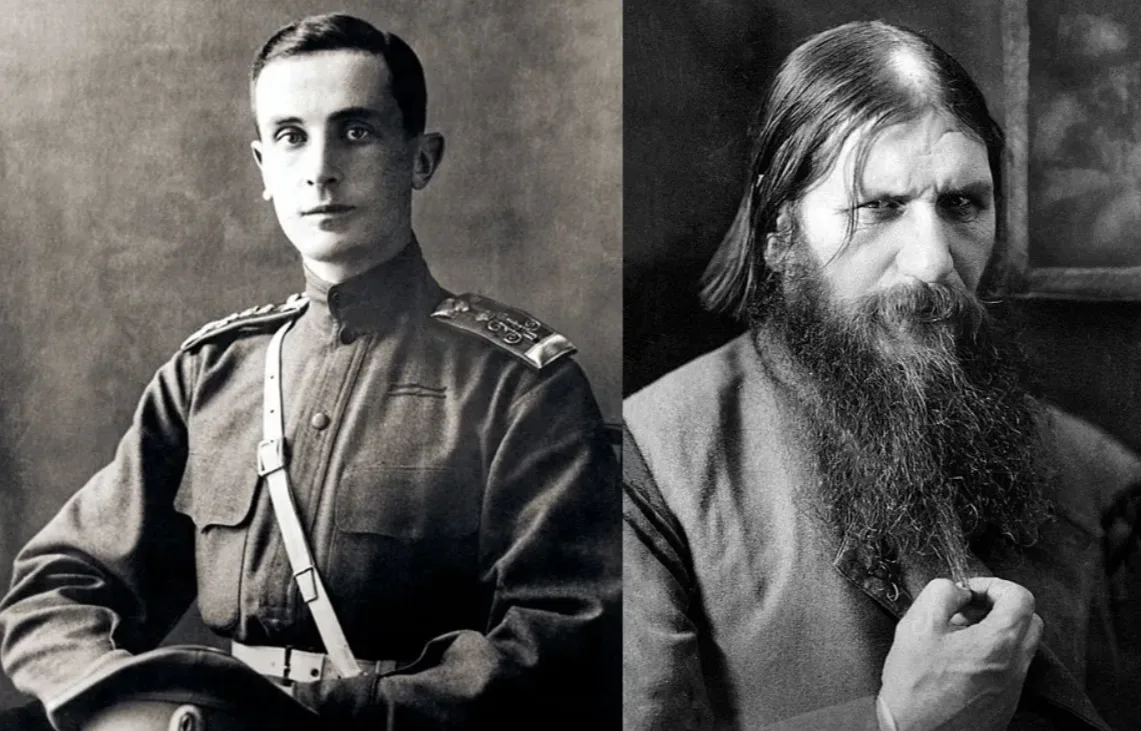
Felix Yusupov’s life and the assassination of Rasputin reveal a complex interplay of power, myth, and self-preservation.
His memoirs, filled with dramatic embellishments and supernatural elements, served as a means of justifying his actions in a world that had turned against the aristocracy.
Yet, as historians continue to uncover the truth, the cracks in Yusupov’s narrative become increasingly apparent.
In the end, Yusupov’s legacy is one of contradiction.
He sought to portray himself as a savior, but his actions may have accelerated the downfall of the very empire he sought to protect.
The real Rasputin mystery lies not in whether a holy man defied death, but in whether a prince could ever escape the consequences of taking a life.
News

Ella Mai’s Shocking Confession: The Hidden Truth Behind Her Secret Baby and R&B Royalty!
Ella Mai’s Shocking Confession: The Hidden Truth Behind Her Secret Baby and R&B Royalty! Ella Mai, the voice behind the…

Nicole Kidman Breaks Her Silence: The Shocking Truth Behind Her Divorce from Keith Urban!
Nicole Kidman Breaks Her Silence: The Shocking Truth Behind Her Divorce from Keith Urban! After nearly two decades of a…

The Heartbreaking Reality of Tom Selleck: From Fame to Fear of Losing It All!
The Heartbreaking Reality of Tom Selleck: From Fame to Fear of Losing It All! Tom Selleck, the iconic actor known…

King Arthur’s Tomb Found: The Shocking Truth Behind the Legend That Changes Everything!
King Arthur’s Tomb Found: The Shocking Truth Behind the Legend That Changes Everything! The legend of King Arthur has captivated…
Keanu Reeves’ Heartbreaking Farewell: The Real Reason He May Never Return to Action Films!
Keanu Reeves’ Heartbreaking Farewell: The Real Reason He May Never Return to Action Films! Keanu Reeves, the beloved action star…

Jeremy Wade Breaks His Silence: The Shocking Truth Behind the Cancellation of River Monsters!
Jeremy Wade Breaks His Silence: The Shocking Truth Behind the Cancellation of River Monsters! After nearly a decade of captivating…
End of content
No more pages to load






