
The Heart-Wrenching Truth Behind ‘Deadliest Catch’: Tragedies, Losses, and the Human Cost of Life at Sea
The reality television series “Deadliest Catch” has made a significant impact on the genre, airing for over a decade and winning numerous awards.
Through its portrayal of the lives of fishermen operating in the perilous Bering Sea, the show has provided viewers with both thrilling moments and profound insights into the hardships faced by its cast.
While the series is known for its adventurous spirit, it has also been marked by numerous heart-wrenching tragedies that have touched the hearts of its loyal audience.

One of the earliest and most poignant tragedies featured on “Deadliest Catch” involves Jake Anderson, a deckhand on the Northwestern.
In the fifth season, viewers witnessed Jake receiving the devastating news of his sister Chelsea’s death from pneumonia.
Chelsea had battled rheumatoid arthritis for most of her life, which ultimately led to her passing at the young age of 37 in February 2009.
The grief was compounded when, in the sixth season, Jake’s father, Keith Anderson, went missing after leaving to presumably buy painkillers to cope with his depression following his daughter’s death.
After weeks of searching, Keith’s truck was discovered abandoned on a logging road, and his remains were not found until 2012, bringing a tragic conclusion to a prolonged family ordeal.
Another heartbreaking loss was that of Justin Tennison, a deckhand on the Time Bandit.
In February 2011, Justin was found dead in an Alaskan hotel during the off-season.
His death was attributed to complications from sleep apnea, although reports indicated that alcohol and marijuana were found in his hotel room, suggesting a party had taken place prior to his death.
Justin was remembered fondly by his crew and castmates as a hardworking individual who loved Alaska and his family.
Following his last wishes, Justin was cremated, and his ashes were spread in the Bering Sea, a testament to his love for the region.
The show also faced the loss of Tony Lara, a captain who appeared on “Deadliest Catch” during its seventh season.
After leaving the series, Tony suffered a cardiac arrest while attending the Sturgis Motorcycle Rally in South Dakota in August 2015.
He was remembered by his former colleagues as a supportive friend and mentor who positively impacted those around him.
Just two weeks later, tragedy struck again when Joe McMahon, an associate producer for the show, was shot and killed in California at the age of 24.
Although Joe was not a prominent figure on the show, his untimely death shocked the community.
The series has also shed light on the darker side of life at sea, as seen in the case of Joshua T.
Warner, a former crew member who was arrested for multiple bank robberies in 2009.
His fame from appearing on “Deadliest Catch” inadvertently led to his capture, as viewers recognized him from the show.
Joshua’s story serves as a cautionary tale about the potential pitfalls of sudden notoriety.
One of the most significant tragedies in the show’s history occurred on February 11, 2017, when the fishing vessel Destination sank near St.
George Island, Alaska.
The ship, considered one of the safest in the Bering Sea, capsized without sending a distress signal.
Tragically, six crew members lost their lives, including friends of Captain Keith Colburn from the Wizard.
The search for survivors was short-lived, and the wreckage was eventually located 250 feet underwater, revealing that the vessel sank due to severe weather conditions.
The emotional impact of this tragedy resonated deeply with the cast and viewers, highlighting the inherent dangers of commercial fishing.

The death of Phil Harris, captain of the Cornelia Marie, remains one of the most heartbreaking moments in “Deadliest Catch” history.
Phil became a fan favorite during the show’s first season, known for his leadership and resilience.
However, his health took a turn for the worse when he was diagnosed with a pulmonary embolism in 2008, forcing him to step away from the helm for a year.
Despite a hopeful recovery, Phil suffered a stroke in January 2010 and ultimately passed away on February 9, 2010, from an intracranial hemorrhage at the age of 53.
His death profoundly affected his sons, particularly Jake, whose struggles with addiction worsened following the loss of his father.
Jake’s downward spiral began shortly after Phil’s death, leading to multiple arrests and substance abuse issues.
He openly discussed his grief and how it manifested in unhealthy coping mechanisms, including drug use and DUI arrests.
In 2016, Jake sustained a brain injury after a violent altercation, further complicating his recovery journey.
Though he attempted to rebuild his life, he faced ongoing challenges, including a prison sentence for drug possession in 2019.
Another tragedy that struck the fishing community occurred on New Year’s Eve 2019 when the Scandies Rose sank near Kodiak Island, claiming the lives of five crew members.
Deckhand Dean Gribble recounted the harrowing experience of waking up to find the vessel capsizing.
He and a fellow crew member managed to escape, but the remaining crew members were lost at sea.
The sinking of the Scandies Rose marked a significant tragedy for the fishing community, and the cast of “Deadliest Catch” honored the victims in a dedicated episode during the 16th season.
The fishing industry has long been plagued by issues related to substance abuse, and “Deadliest Catch” has not been immune to this reality.
The tragic deaths of cast members like Nick McGlashan, who died from a drug overdose in December 2020, highlight the struggles many face in this high-pressure environment.
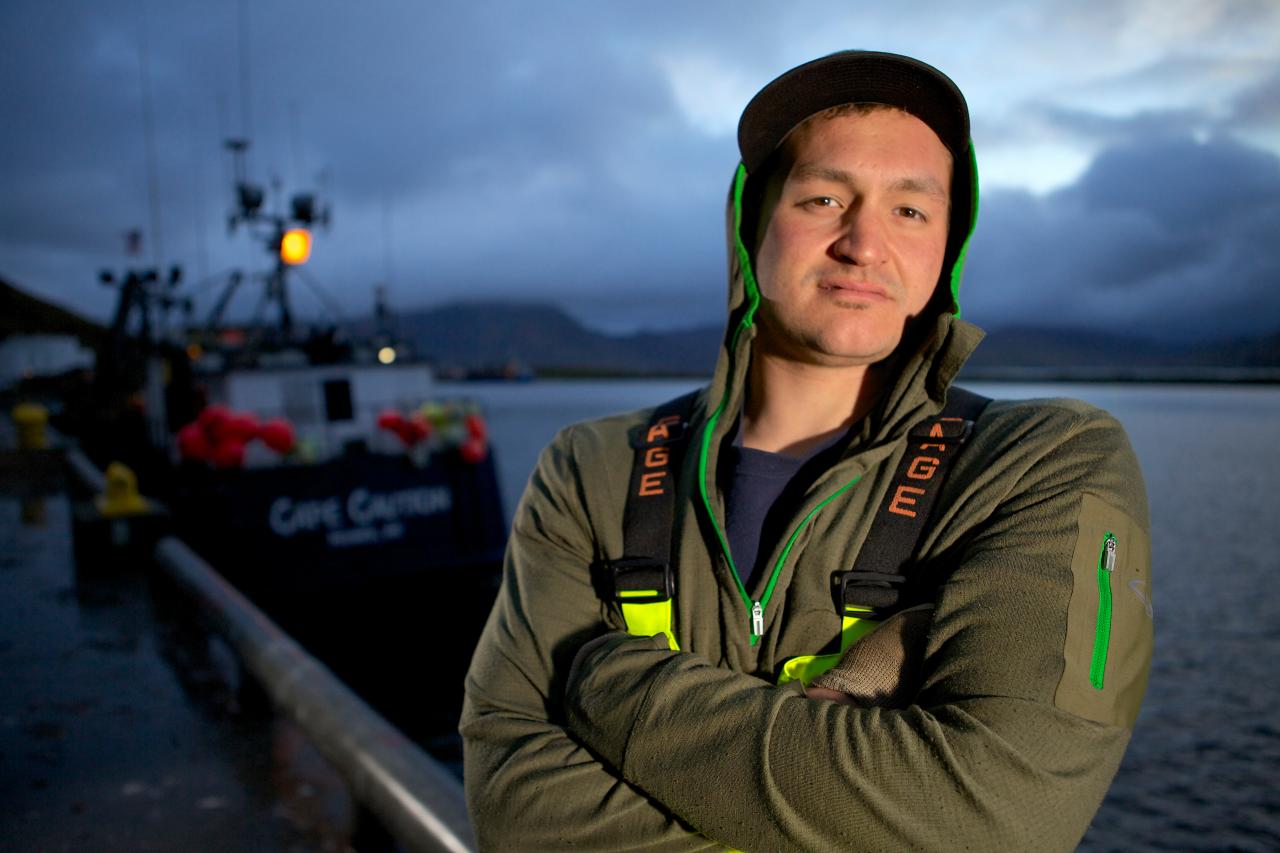
Nick, a deck boss on the Cape Caution, had battled addiction for years, even taking breaks from the show to seek treatment.
His determination to overcome his struggles was inspiring, but ultimately, the pressures of the industry proved too great.
The dark side of commercial fishing extends beyond individual struggles, as evidenced by the arrest of a crew member for distributing drugs to cast members in 2016.
This incident underscores the prevalence of substance abuse within the industry, a reality that many crew members grapple with while navigating the dangers of their profession.
As “Deadliest Catch” continues to air, it remains a poignant reminder of the sacrifices made by those who brave the Bering Sea.
The series captures not only the thrill of the catch but also the profound losses and emotional toll experienced by its cast members.
Each tragedy serves as a stark reminder of the risks involved in this demanding profession, leaving an indelible mark on the hearts of viewers and the fishing community alike.
In conclusion, the saddest moments of “Deadliest Catch” reflect the harsh realities of life at sea.
The show has provided a platform for sharing both the triumphs and tragedies of its cast, allowing audiences to connect with the human stories behind the fishing industry.
As fans continue to tune in, they are reminded of the resilience and strength of those who navigate the treacherous waters of the Bering Sea, facing both the joys and sorrows that come with their chosen profession.
News

Ella Mai’s Shocking Confession: The Hidden Truth Behind Her Secret Baby and R&B Royalty!
Ella Mai’s Shocking Confession: The Hidden Truth Behind Her Secret Baby and R&B Royalty! Ella Mai, the voice behind the…

Nicole Kidman Breaks Her Silence: The Shocking Truth Behind Her Divorce from Keith Urban!
Nicole Kidman Breaks Her Silence: The Shocking Truth Behind Her Divorce from Keith Urban! After nearly two decades of a…

The Heartbreaking Reality of Tom Selleck: From Fame to Fear of Losing It All!
The Heartbreaking Reality of Tom Selleck: From Fame to Fear of Losing It All! Tom Selleck, the iconic actor known…

King Arthur’s Tomb Found: The Shocking Truth Behind the Legend That Changes Everything!
King Arthur’s Tomb Found: The Shocking Truth Behind the Legend That Changes Everything! The legend of King Arthur has captivated…
Keanu Reeves’ Heartbreaking Farewell: The Real Reason He May Never Return to Action Films!
Keanu Reeves’ Heartbreaking Farewell: The Real Reason He May Never Return to Action Films! Keanu Reeves, the beloved action star…
Jeremy Wade Breaks His Silence: The Shocking Truth Behind the Cancellation of River Monsters!
Jeremy Wade Breaks His Silence: The Shocking Truth Behind the Cancellation of River Monsters! After nearly a decade of captivating…
End of content
No more pages to load






