The Untold Story of KC & The Sunshine Band: Fame, Loneliness, and a Shocking Comeback!
KC & The Sunshine Band is synonymous with the disco era, a band that not only defined a generation but also produced some of the most iconic dance tracks of the 1970s.
However, behind the glittering facade of fame and chart-topping hits lies a story filled with loneliness, personal struggles, and an unexpected resurgence.
What really happened to Harry Wayne Casey, the man behind the music? Join me as we dive into the hidden truths of KC & The Sunshine Band’s journey through the highs and lows of the music industry.
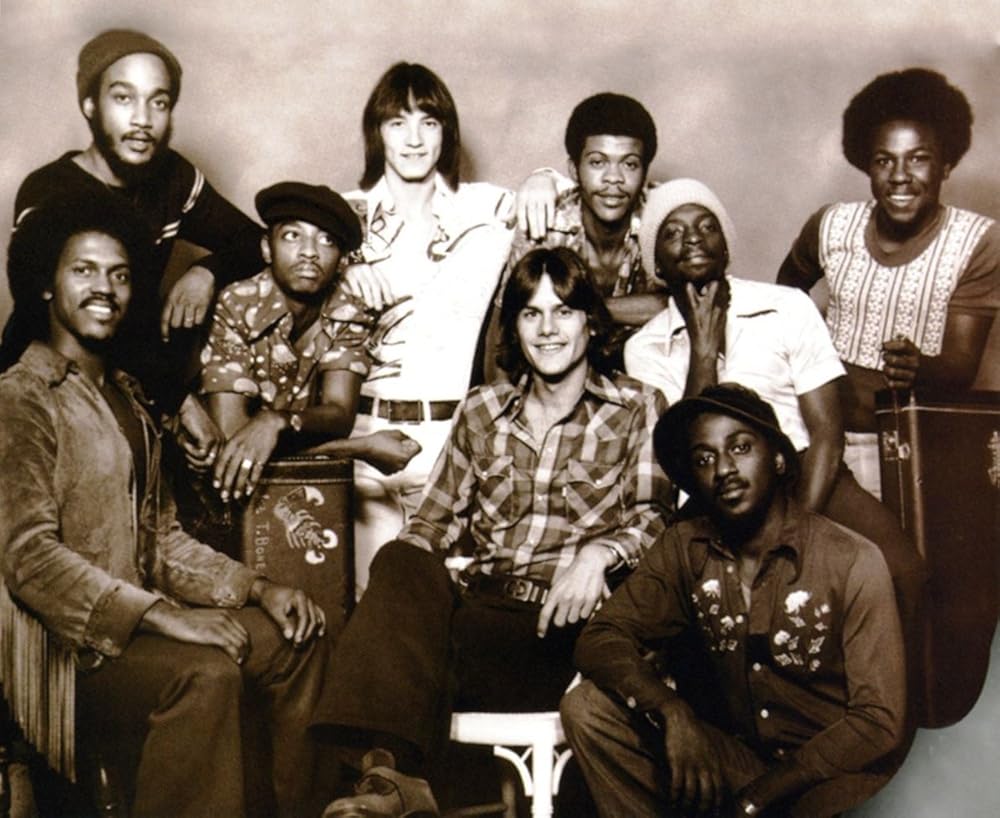
Harry Wayne Casey, better known as KC, emerged from the vibrant music scene of Miami, Florida.
Growing up in a family that cherished music, Casey was inspired by the sounds around him, from R&B to church hymns.
His passion for music led him to work at a record store, where he met Henry Stone, the owner of TK Records.
Stone recognized Casey’s potential and took him under his wing, allowing him to explore his creative vision.
In 1973, Casey formed a band that would eventually be known as KC & The Sunshine Band.
The band was a fusion of musicians from various backgrounds, including the Miami Junkanoo band, which infused their sound with lively rhythms and horn accents.
Their breakthrough came with the release of “Get Down Tonight” in 1975, followed by a string of hits like “That’s the Way (I Like It)” and “Shake, Shake, Shake (Shake Your Booty).”
The band quickly became a staple of the disco era, captivating audiences worldwide.
Despite the glittering success, Casey faced profound loneliness.
He spent countless nights locked in hotel rooms, isolated from the world while fans gathered outside hoping to catch a glimpse of the star.
In his own words, Casey described his experience as being “on top of the world but the loneliest person I think I knew on the planet at the time.”
The pressures of fame took a toll on him, leading to a life marked by solitude amid the chaos of touring.
In 1982, a serious car accident left Casey with lasting physical injuries, including a concussion and a pinched nerve.
This incident forced him to step back from the limelight, and during his recovery, he developed a dependency on painkillers, which led him to seek rehabilitation in the 1990s.
These challenges compounded his feelings of isolation and frustration with the music industry.

As the 1970s drew to a close, the disco genre began to wane, and Casey realized that he needed to adapt.
His first ballad, “Please Don’t Go,” became a number one hit in the early 1980s, but tensions within the band grew.
Co-writer and producer Richard Finch left the group, marking a turning point for Casey, who continued to use the band’s name but effectively became a solo artist.
The early 1980s brought more challenges as TK Records, the label that had been instrumental in their success, went bankrupt.
Casey released several albums under Epic Records, but none achieved significant commercial success.
After years of hard work and sacrifice, Casey felt disillusioned with the music business and decided to step away from it all.
Years later, a resurgence of interest in disco music reignited Casey’s passion for performing.
Friends encouraged him to return to the stage, leading to a reunion performance on the “Arenal Hall Show.”
This moment marked the beginning of a new chapter for KC & The Sunshine Band.
With a revamped lineup of 15 musicians, singers, and dancers, the band began touring again, blending their classic hits with new material and elaborate choreography.
Their music found new life in films like “Forrest Gump,” “Minions: The Rise of Gru,” and “Kingsman: The Secret Service,” introducing their sound to a new generation.
In 2000, Casey released the album “I’ll Be There for You,” which received critical acclaim, and in 2002, he was honored with a star on the Hollywood Walk of Fame.
Even at the age of 73, Casey remains passionate about music, continuing to create and perform.
His recent singles, including “Give Me Some More” and “Romantica,” showcase his enduring talent and love for the craft.
Reflecting on his journey, Casey expressed that despite the ups and downs, his path has been magical and mysterious.
He remains an influential figure in the world of music, demonstrating that the spirit of disco lives on through his work.
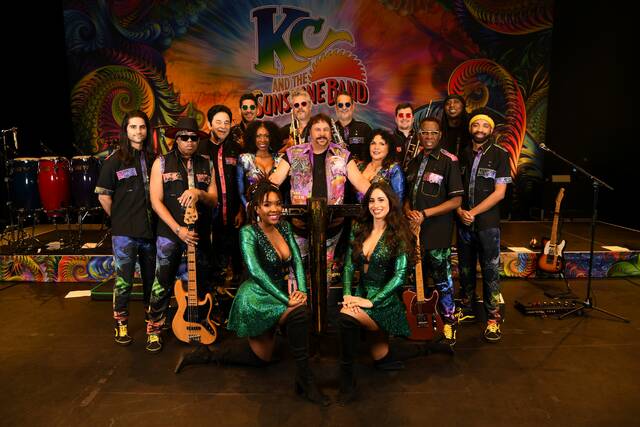
The story of KC & The Sunshine Band is not just one of fame and success; it is a testament to resilience in the face of adversity.
From the heights of disco stardom to the depths of personal struggle, Harry Wayne Casey’s journey is a reminder of the complexities behind the music industry.
As he continues to perform and create, Casey embodies the enduring spirit of disco, proving that passion for music can transcend time and challenges.
News

Ella Mai’s Shocking Confession: The Hidden Truth Behind Her Secret Baby and R&B Royalty!
Ella Mai’s Shocking Confession: The Hidden Truth Behind Her Secret Baby and R&B Royalty! Ella Mai, the voice behind the…

Nicole Kidman Breaks Her Silence: The Shocking Truth Behind Her Divorce from Keith Urban!
Nicole Kidman Breaks Her Silence: The Shocking Truth Behind Her Divorce from Keith Urban! After nearly two decades of a…

The Heartbreaking Reality of Tom Selleck: From Fame to Fear of Losing It All!
The Heartbreaking Reality of Tom Selleck: From Fame to Fear of Losing It All! Tom Selleck, the iconic actor known…
King Arthur’s Tomb Found: The Shocking Truth Behind the Legend That Changes Everything!
King Arthur’s Tomb Found: The Shocking Truth Behind the Legend That Changes Everything! The legend of King Arthur has captivated…
Keanu Reeves’ Heartbreaking Farewell: The Real Reason He May Never Return to Action Films!
Keanu Reeves’ Heartbreaking Farewell: The Real Reason He May Never Return to Action Films! Keanu Reeves, the beloved action star…
Jeremy Wade Breaks His Silence: The Shocking Truth Behind the Cancellation of River Monsters!
Jeremy Wade Breaks His Silence: The Shocking Truth Behind the Cancellation of River Monsters! After nearly a decade of captivating…
End of content
No more pages to load