
Uncovering the Truth Behind Bruce Lee’s Mysterious Death: A Journey into the Unknown 🌌🥋
Bruce Lee, the legendary martial artist and cultural icon, was a man who transcended the boundaries of his time.
Known for his explosive speed, unparalleled skill, and philosophical insights, he became a symbol of strength and resilience.
His journey from a bullied child to the undisputed king of martial arts is a tale of determination and ambition.
However, on that fateful night of July 20, 1973, the world was rocked by the shocking news of his sudden death at just 32 years old.
How could someone so vibrant, so seemingly invincible, succumb to death so unexpectedly?
The official cause of death was attributed to cerebral edema—swelling of the brain—triggered by an adverse reaction to a painkiller.
But many, including Bruce’s family and fans, were left questioning this conclusion.
“I just couldn’t believe it,” recalled one of his closest friends, his voice trembling with disbelief.
“The guy I knew was super healthy, super athletic. How could he just die?”
This article aims to delve deeper into the mystery surrounding Bruce Lee’s death, exploring the events leading up to that tragic night and the various theories that have emerged over the years.

Bruce Lee was born on November 27, 1940, in San Francisco, California, while his parents were on tour with a Hong Kong opera company.
From a young age, he showed an affinity for the arts, appearing in up to 20 films before the age of 18.
However, his childhood was not without struggle.
Lee faced bullying due to his small stature and poor eyesight, which led him to turn to martial arts as a means of self-defense.
By the age of 13, after a particularly brutal street fight, Lee dedicated himself to mastering martial arts.
He trained rigorously, developing a unique fighting style that combined various techniques and philosophies.
His relentless pursuit of excellence paid off when he was spotted at a martial arts tournament in 1964, leading to a screen test that would launch his Hollywood career.
Lee’s breakthrough came with the television series “The Green Hornet,” where he played Kato, the sidekick to the titular hero.
Despite the show’s short run, it showcased Lee’s incredible talent and charisma.
However, his aspirations extended beyond television; he wanted to be a movie star.
In 1971, he returned to Hong Kong to work on low-budget films, which became box office hits and solidified his status as a martial arts icon.
On July 20, 1973, Bruce Lee was in Hong Kong, preparing for the release of his highly anticipated film “Enter the Dragon.”
The film was set to make him an international star, and the pressure was mounting.
That afternoon, Bruce was working on a script at his home when he began to feel unwell.
He complained of a headache and was given a painkiller, Equagesic, by his girlfriend, Betty Ting Pei.
As the evening progressed, Bruce’s condition worsened.
He lay down to rest, but when Betty attempted to wake him later, he was unresponsive.
Panic set in, and she called his business partner, Raymond Chow, who rushed over.
Despite their attempts to revive him, Bruce was soon pronounced dead at Queen Elizabeth Hospital, just hours after he had been complaining of a headache.
The official cause of death was determined to be cerebral edema, a condition characterized by swelling of the brain.
The inquest concluded that the swelling was likely caused by a hypersensitivity reaction to the painkiller Bruce had taken.
This conclusion, however, has been met with skepticism and disbelief by many who knew him.
Dr. Michael Hunter, a forensic pathologist, has gained unprecedented access to Bruce Lee’s autopsy report and inquest notes.
“There’s not one in 10,000 chance that Bruce Lee died from a single tablet,” he stated, questioning the validity of the official verdict.
In the years following Bruce Lee’s death, numerous theories and speculations have emerged.
Some have suggested that he was poisoned, either by someone he had a conflict with or by the Hong Kong mob, which allegedly had ties to the film industry.
Others have posited that his death was the result of an undiagnosed medical condition, such as epilepsy or a ruptured aneurysm.
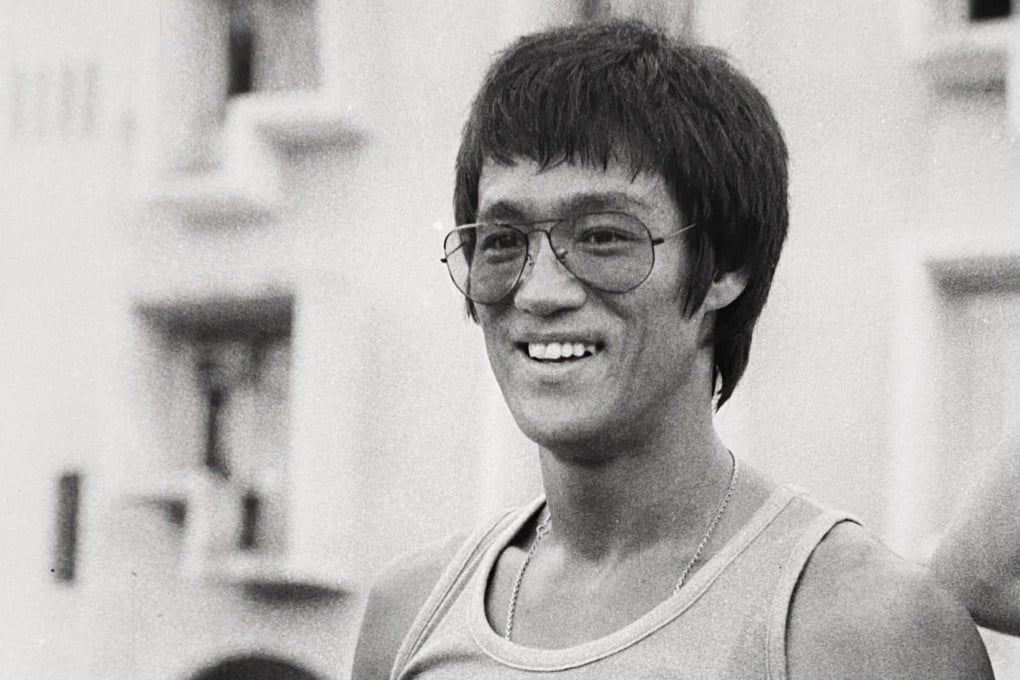
One of the most sensational theories is that Bruce Lee was poisoned.
In the months leading up to his death, he had become increasingly paranoid, expressing fears that someone might try to kill him.
Witnesses reported that he had been involved in several altercations, including a physical confrontation with a director and a fight with a triad member’s son.
The idea that Bruce could have been targeted by the Hong Kong underworld has fueled speculation among fans and conspiracy theorists alike.
However, toxicology tests conducted on his blood and tissue samples found no evidence of poisoning, casting doubt on this theory.
Another theory revolves around the possibility of Bruce suffering from an undiagnosed medical condition.
In the weeks leading up to his death, Bruce had experienced significant stress and fatigue.
He had collapsed during a dubbing session for “Enter the Dragon,” exhibiting symptoms consistent with cerebral edema.
Some have suggested that he may have had a seizure disorder, possibly epilepsy, although this diagnosis was never confirmed.
Dr. Hunter has explored the possibility of a ruptured aneurysm, which could have caused the sudden swelling of the brain.
However, the autopsy report showed no signs of this condition, further complicating the investigation.
One of the most compelling pieces of evidence lies in Bruce Lee’s medical history.
Three years prior to his death, he had suffered a severe back injury that required extensive treatment, including the use of cortisone, a steroid known for its anti-inflammatory properties.
While cortisone can be effective in managing pain, its long-term use can have serious side effects.
Dr. Hunter believes that Bruce’s death may have been linked to an adrenal crisis caused by the overuse of cortisone.
This condition occurs when the body cannot produce enough cortisol, leading to a drop in blood pressure and potentially resulting in cardiac arrest.
The symptoms Bruce exhibited in the hours leading up to his death—headaches, fatigue, and confusion—align with those of an adrenal crisis.
Bruce Lee’s sudden death sent shockwaves around the world, leaving fans and family members grappling with the loss of a cultural icon.
His legacy, however, transcends his untimely demise.
He is remembered not only for his remarkable martial arts skills but also for his philosophy of self-improvement and empowerment.
Lee once said, “The key to immortality is first living a life worth remembering.”
His dedication to his craft and his relentless pursuit of excellence continue to inspire countless individuals around the globe.
From martial artists to filmmakers, Bruce Lee’s influence can be seen in various aspects of modern culture.
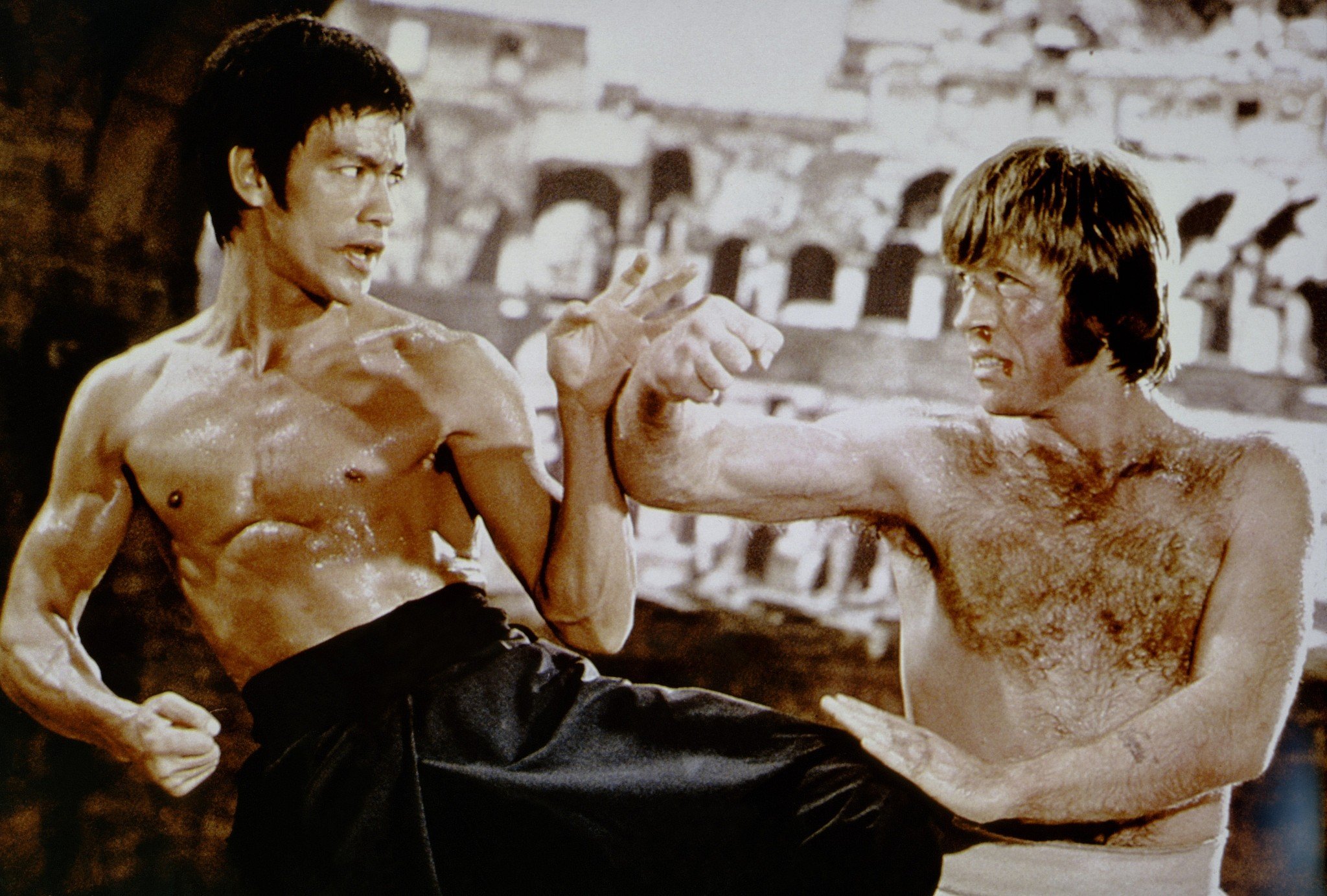
The mystery surrounding Bruce Lee’s death remains one of the most enduring enigmas in the world of sports and entertainment.
Despite the official verdict, questions linger about the true cause of his sudden demise.
Was it a tragic accident, a result of his relentless ambition, or something more sinister?
As we continue to explore the details of Bruce Lee’s life and death, we are reminded of the complexities of his character and the impact he had on the world.
His legacy serves as a testament to the power of determination and the importance of pursuing one’s dreams, no matter the obstacles that may arise.
In the end, Bruce Lee should be remembered as a transformative figure who not only changed the landscape of martial arts but also challenged societal norms and inspired generations to come.
His life was a journey of self-discovery, and while the circumstances of his death may remain shrouded in mystery, his spirit lives on in the hearts of those who continue to strive for greatness.
News

Ella Mai’s Shocking Confession: The Hidden Truth Behind Her Secret Baby and R&B Royalty!
Ella Mai’s Shocking Confession: The Hidden Truth Behind Her Secret Baby and R&B Royalty! Ella Mai, the voice behind the…

Nicole Kidman Breaks Her Silence: The Shocking Truth Behind Her Divorce from Keith Urban!
Nicole Kidman Breaks Her Silence: The Shocking Truth Behind Her Divorce from Keith Urban! After nearly two decades of a…

The Heartbreaking Reality of Tom Selleck: From Fame to Fear of Losing It All!
The Heartbreaking Reality of Tom Selleck: From Fame to Fear of Losing It All! Tom Selleck, the iconic actor known…

King Arthur’s Tomb Found: The Shocking Truth Behind the Legend That Changes Everything!
King Arthur’s Tomb Found: The Shocking Truth Behind the Legend That Changes Everything! The legend of King Arthur has captivated…
Keanu Reeves’ Heartbreaking Farewell: The Real Reason He May Never Return to Action Films!
Keanu Reeves’ Heartbreaking Farewell: The Real Reason He May Never Return to Action Films! Keanu Reeves, the beloved action star…
Jeremy Wade Breaks His Silence: The Shocking Truth Behind the Cancellation of River Monsters!
Jeremy Wade Breaks His Silence: The Shocking Truth Behind the Cancellation of River Monsters! After nearly a decade of captivating…
End of content
No more pages to load






