
Here’s the thing about courtroom endings: most of them don’t feel like endings. They feel like a bureaucratic full stop—numbers read, gavel down, lives redirected on paper. But the day Prakazrel “Pras” Michel, one-third of the Fugees, took 14 years for funneling foreign money into Barack Obama’s 2012 reelection effort, it felt like we had arrived at the intersection where American celebrity, politics, and prosecutorial zeal finally stopped pretending they didn’t know each other. And where the old fantasy—that fame can blur the edges of law—met a judge who didn’t mind drawing a hard line in ink.
Let’s keep the frame clean. Michel, 52, did not speak before the sentence. No excuses, no softening notes. U.S. District Judge Colleen Kollar-Kotelly didn’t need him to. A Washington jury had already convicted him in April 2023 of ten counts, including conspiracy and acting as an unregistered agent of a foreign government. The cast list that paraded through that trial read like a thumbnail of American headlines—Leonardo DiCaprio, former Attorney General Jeff Sessions—because this was never just about campaign money. It was about who gets to put their hands on the levers, and who gets to pretend the levers aren’t there.
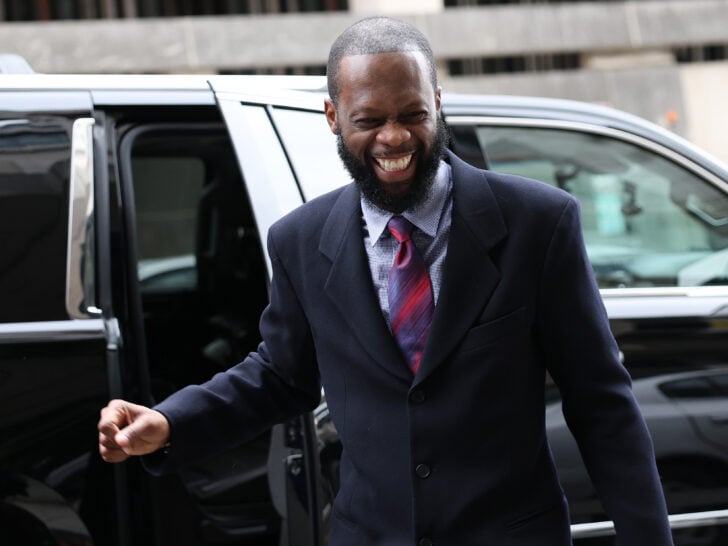
The federal government, for its part, brought a sledgehammer. Prosecutors said the guidelines pointed to a life sentence. Their rhetoric was classic Justice Department thunder: Michel “betrayed his country for money,” lied “unapologetically,” tampered with witnesses, perjured himself, maneuvered to choke off a DOJ investigation. The tone was familiar—the kind you hear when prosecutors have been living inside a case long enough to forget that the rest of us don’t wake up thinking about sentencing tables. They wanted the punishment to demonstrate the “breadth and depth” of the wrongdoing, the risk to the country, the magnitude of greed. In other words: send a message.
Defense counsel Peter Zeidenberg called 14 years “completely disproportionate.” He asked for three. He said life was absurd, reserved for “deadly terrorists and drug cartel leaders.” His filing even reached for literature—Inspector Javert—the sort of swipe that makes lawyers feel righteous and judges feel unmoved. The broader defense posture was simple: this was a man who got swept up in the wake of a fugitive billionaire’s vanity, not a mastermind tearing at the seams of national security.
That billionaire is Low Taek Jho—Jho Low—whose name has hovered like expensive perfume over Hollywood and finance for the better part of a decade. Low, one of the financiers behind The Wolf of Wall Street, allegedly pumped more than $120 million toward Michel. Some of that money, prosecutors said, went through straw donors and into Obama’s campaign, the kind of maneuver that turns election law into a shell game. Michel’s team insists Low wasn’t chasing policy; he wanted a photograph with the president. If you’ve ever watched the grinning choreography of donor lines at fundraisers, you know that version of reality isn’t hard to believe. It’s also not exculpatory.
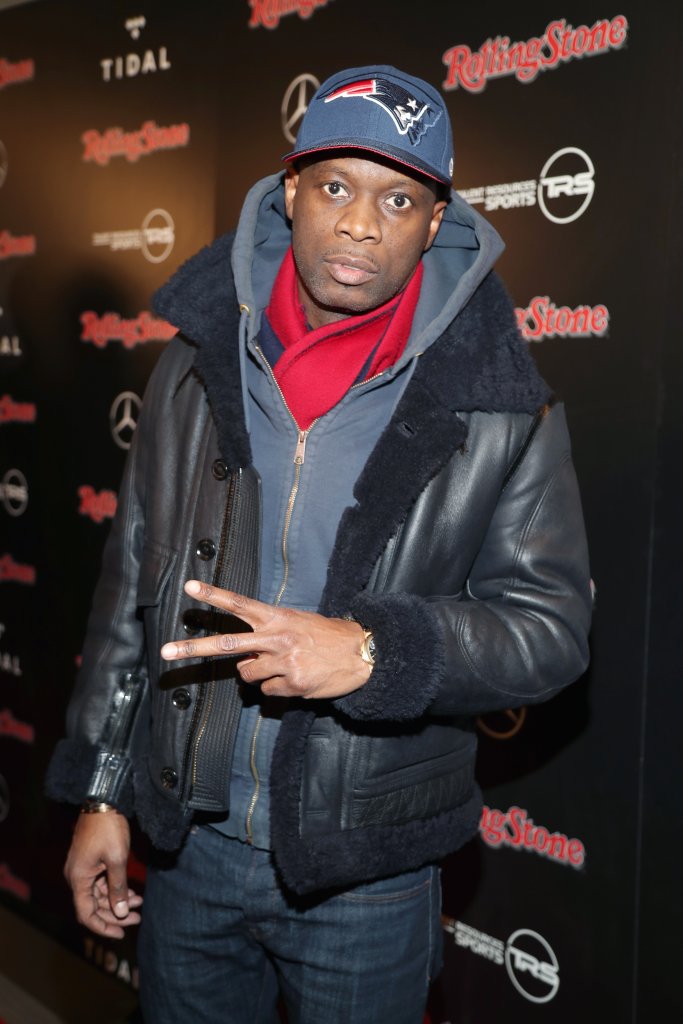
There’s a strange quiet that settles over cases like this once the cameras move on. We’re left with the facts that survived the process and the questions that didn’t. Michel was a founding member of the Fugees, a Brooklyn kid with Haitian parents, part of a group that sold tens of millions of records and won Grammys. We don’t have to pretend his music is the point here, but we also don’t have to pretend it’s irrelevant. Fame is a toolkit. It opens rooms. It warms cold calls. It persuades people to say yes to things they should probably decline. The prosecution saw a man who used those tools to get foreign money into an American election and then tried to smother the consequences. The judge—faced with guidelines that can stretch into the absurd—settled on 14 years, a number that speaks loudly enough without locking the door forever.
A note on scale, because the American justice system often loses us in its math: prosecutors cited guidelines that could push this into life. Defense argued three years. The judge split the difference only in the most technical sense. Fourteen is not a compromise; it’s a statement. It says: you wanted power you were not allowed to have, you got it the way people get it when they think rules are for other people, and now you will serve a sentence designed to cure you of the idea that campaign finance is theater.
The case has its share of modern texture. Michel asked for a new trial in 2024, arguing in part that his lawyer had used a generative AI program to help with closing arguments. The judge didn’t buy it. Whatever you think of AI drafting courtroom rhetoric—and yes, it says something about where we are—the court said the errors weren’t enough to amount to a miscarriage of justice. The appeal is coming. Appeals always come. They are built into the ritual.
There’s also Jho Low’s shadow dancing along the edges. Low has lived in China and claimed innocence while remaining a fugitive. The government sees him as the snake head; Michel as the body. In a different era, with different politics, this story might have ended in a negotiated penance and a quiet exit. Not now. Not with the country’s nerves frayed around foreign influence and the integrity of elections. Not with Washington waking daily to the reminder that money, when invisible, has the most persistent fingerprints.
Here’s the part where punditry often veers off into moralizing. I won’t. The truth isn’t theatrical. It’s practical. The United States bars foreign money from its elections. Straw donors are illegal. Acting as an agent of a foreign government without registering is illegal. You do these things and get caught, you stand in a room where your past gets stripped down to language and numbers. Michel stood in that room. He didn’t speak. The judge did. We can argue about the length, and we will, because proportionality is the country’s favorite late-night debate. But the spine of the case is not complicated.
What did we learn? That celebrity still tempts people to mistake access for immunity. That our campaign-finance architecture, wobbly as it is, can still hold when prosecutors decide to test its weight. That courts can resist the easy drama of maximums while still delivering consequences that bite. And that our public tolerance for excuses shrinks when foreign money crosses a line we still consider sacred, even in our cynicism.
There’s a human piece, too, and it’s the one that tends to get sanded down in copy. Fourteen years is a long time by any measure. It’s longer when your life’s resume includes sold-out shows and magazine covers. The distance from soundchecks to counts of conspiracy is brutal. Michel will serve. He will appeal. He will likely write about it. He will be remembered, now, not only for the music but for the cautionary tale. That is how this country keeps score.
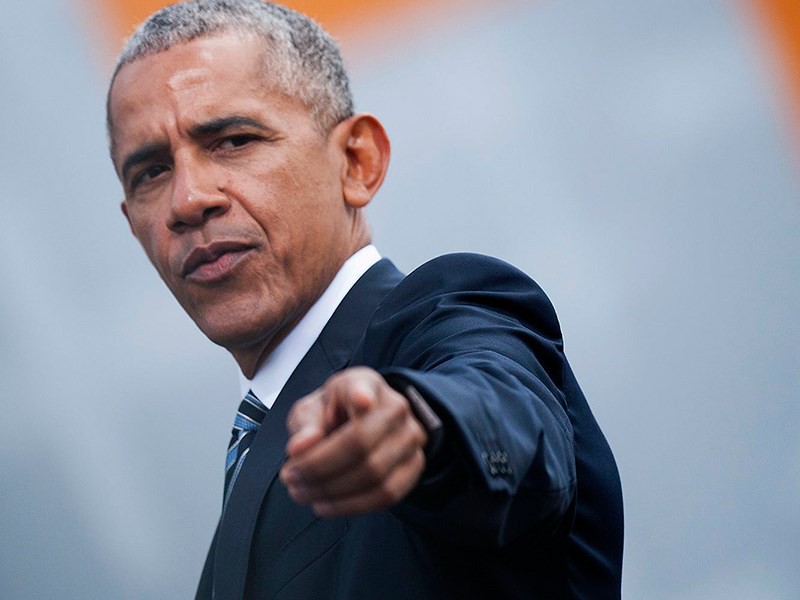
The defense’s best argument—proportionality—deserved a cleaner fight than a Javert quip. The guidelines can be manipulated; anyone who has watched them flex knows this. But the manipulation wasn’t in the facts here; it was in the offense itself. The moment foreign money enters an American election through deception, the scale tips. The government, predictably, pushes toward the high end. The court pulls back, a little, and lands on a number that says both “don’t do this” and “we’re not writing a melodrama.”
I’ll say what the press releases won’t: there’s an element of theater in all of it. Prosecutors grandstand. Defense bristles. Judges bring their own sense of civic hygiene to the bench. But beneath the posture is a civic instinct I still trust more often than not—our courts do not like being lied to, do not like being used, and do not like the suggestion that elections are playgrounds for men with access. Michel’s sentence reads like a rebuke to that suggestion.
So where does this leave us? In the familiar place where American stories often end up—between the myth of clean lines and the reality of human impulse. A famous man took money he shouldn’t have from a billionaire who played the world like a casino. He used it to buy proximity to power. He lied to protect the scheme. The system caught him. Fourteen years is the answer this judge chose. It won’t satisfy everyone. It’s not meant to. It’s meant to mark the boundary, to put a price on the crossing, and to remind the next person who thinks they can use fame as a solvent that some stains set.
If you want the moral, take the modest one: fame is a poor lawyer, money a worse friend, and the law—even when imperfect—still objects loudly when foreign hands reach into the American ballot box. The rest is footnotes and appeals. The headline will do the work.
News
A Mafia Boss Threatened Dean Martin on Stage—Dean’s Reaction Was Pure Genius
A Mafia Boss Threatened Dean Martin on Stage—Dean’s Reaction Was Pure Genius Prologue: A Gun in the Spotlight Dean…

The Billionaire Had No Idea His Fiancée Was Poisoning His Son—Until the Maid Exposed Everything
The Billionaire Had No Idea His Fiancée Was Poisoning His Son—Until the Maid Exposed Everything Prologue: A Whisper That…

The Billionaire Catches Maid ‘Stealing’ Food… But When He Sees Who It’s For, He Breaks Down in Tears
The Billionaire Catches Maid ‘Stealing’ Food… But When He Sees Who It’s For, He Breaks Down in Tears Prologue:…

The Billionaire’s Fiancée Sets a Trap for the Maid — Until His Silent Daughter Exposed the Truth
The Billionaire’s Fiancée Sets a Trap for the Maid—Until His Silent Daughter Exposed the Truth Prologue: The Whisper That…

The Billionaire Went Undercover as a Gardener — Until the Maid Saved His Children from His Fiancée
Richard Whitmore’s hands trembled on the garden shears as he watched through the kitchen window. His new wife, Vanessa, stood…

Three Flight Attendants Vanished From a Vegas Hotel in 1996 — 28 Years Later a Hidden Wall Is Opened
.Every hotel, every casino, every neon-lit alley has a story, most of them ending in forgetfulness or denial. But some…
End of content
No more pages to load






