Welcome back to the unfolding saga of 3I/ATLAS, an interstellar object that has captured the imagination of astronomers and enthusiasts alike.
First detected in July 2025, 3I/ATLAS is not just another comet; it is a cosmic wanderer that may hold secrets older than Earth itself.
As it races toward the Sun, scientists are faced with a pressing question: will this enigmatic object survive its perilous journey, or will it vanish like its predecessor, Oumuamua?

A Cosmic Enigma
3I/ATLAS has become a focal point of study in the astronomical community.
It is unlike anything we have seen before, exhibiting bizarre behaviors that challenge our understanding of celestial mechanics.
With the James Webb Space Telescope (JWST) tracking its every move, researchers are uncovering startling new data that could change the course of astronomy.
Unprecedented Outgassing
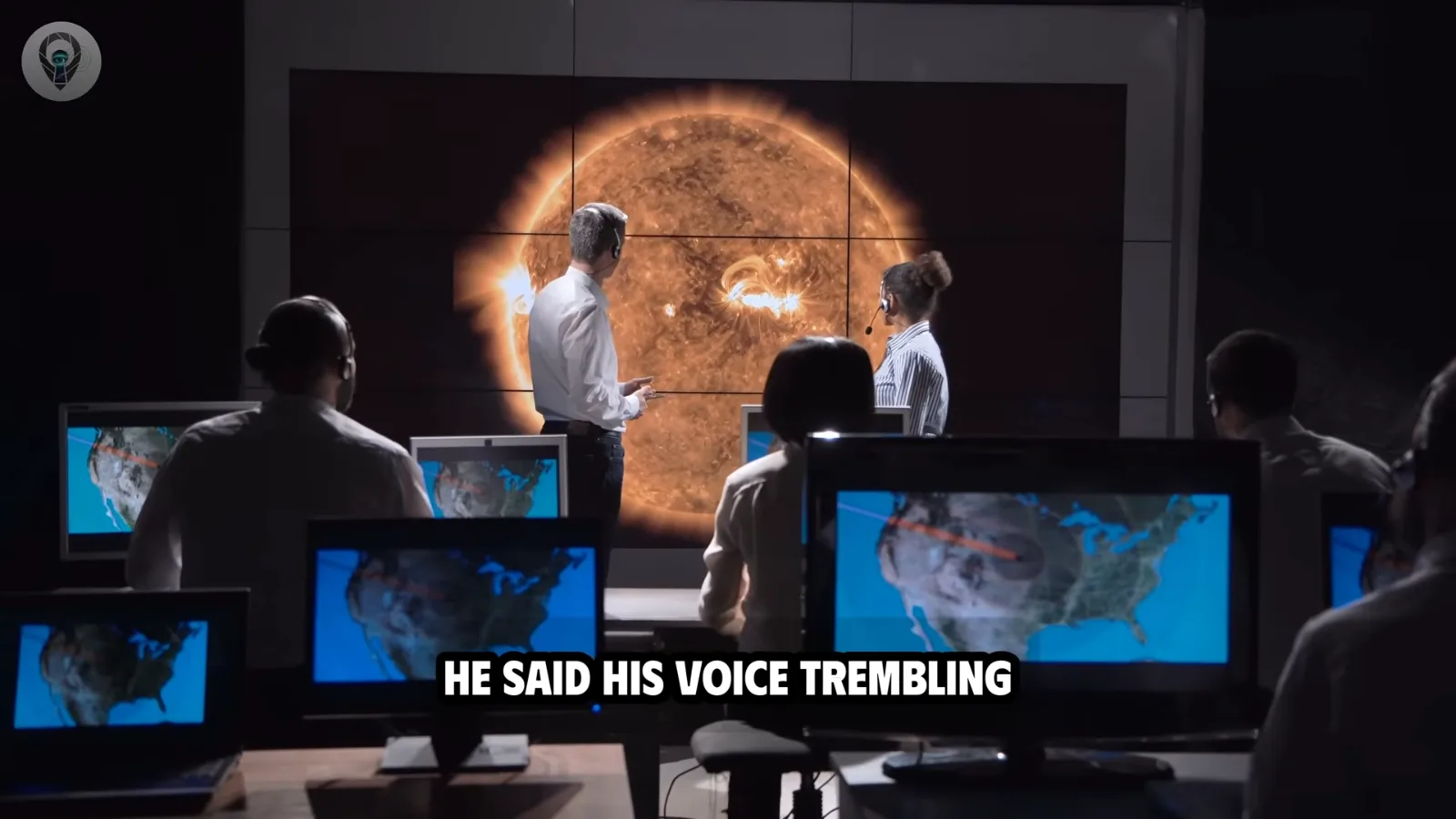
One of the most striking discoveries about 3I/ATLAS is its extraordinary outgassing rate.
Recent observations show that it is emitting carbon dioxide at a staggering rate—19 times faster than water.
This revelation raises a host of questions about the object’s composition and the processes at play as it approaches the Sun.
The Mystery of Nickel Emissions
Adding to the intrigue is the detection of a mysterious nickel signature with no accompanying iron.
This anomaly has scientists scratching their heads, as it deviates from the expected chemical composition of typical comets.
What could explain this unusual finding? Is it a clue to the object’s origins, or does it suggest something more extraordinary at play?
The Implications of Alien Technology
Given the peculiarities of 3I/ATLAS, some researchers have begun to entertain the possibility that it could be a product of advanced technology.
Could this interstellar traveler be more than just a natural phenomenon?
The idea that we might be witnessing evidence of extraterrestrial engineering has sparked heated debates within the scientific community.
A Race Against Time
As 3I/ATLAS hurtles toward the Sun, time is of the essence.
Scientists have just 65 days to gather data and observe its behavior before it reaches its closest approach.
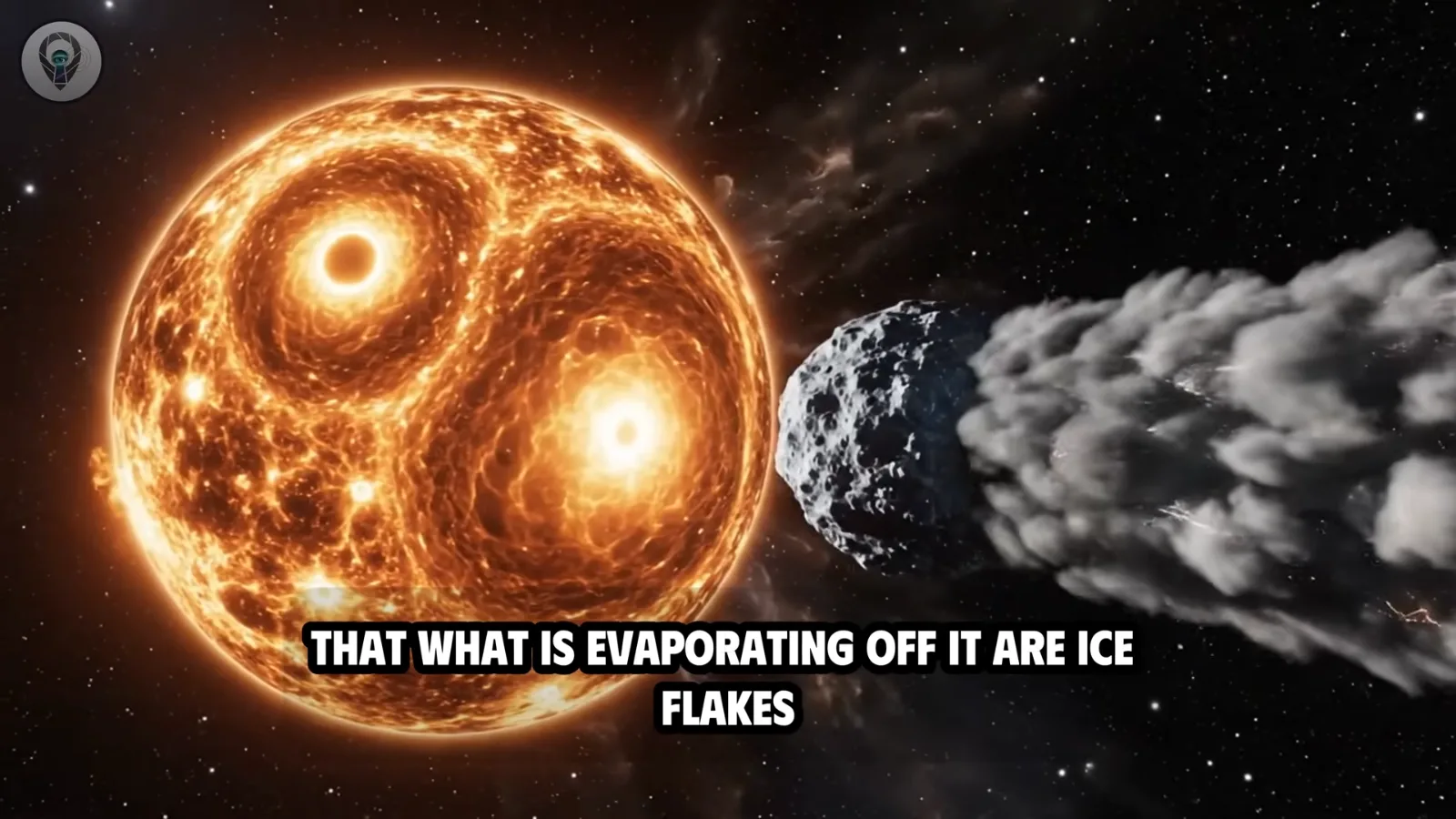
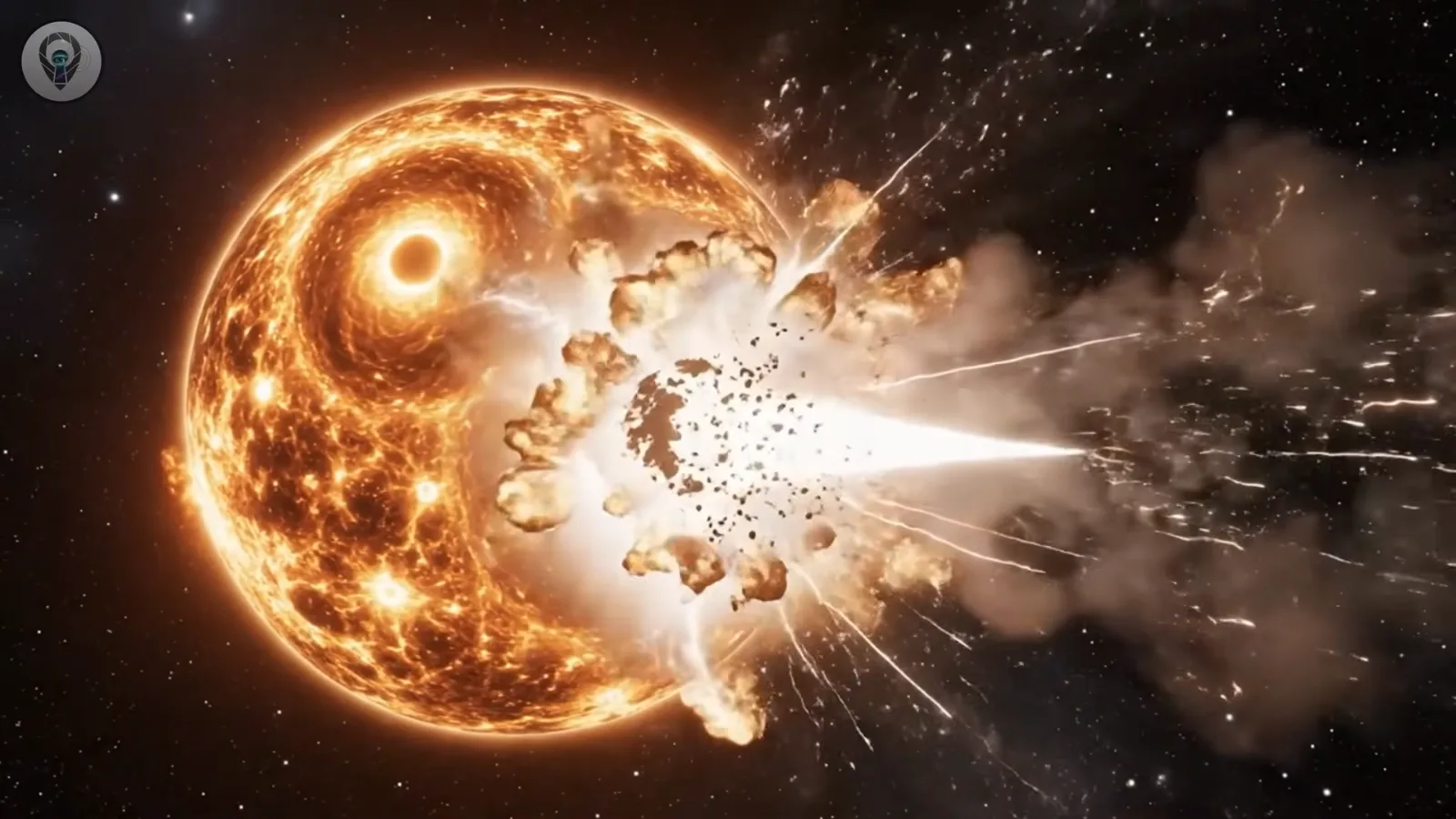
Will it survive the intense heat and gravitational forces, or will it disintegrate into cosmic dust like Oumuamua?
The Countdown to Perihelion
The moment of perihelion—the point at which 3I/ATLAS comes closest to the Sun—promises to be a pivotal event.
Astronomers are preparing for a flurry of observations, hoping to capture data that could provide insight into the object’s nature.
This is a critical time for researchers, as understanding 3I/ATLAS could unlock the secrets of interstellar objects and their behaviors.
The Legacy of Oumuamua
The memory of Oumuamua looms large over the investigation of 3I/ATLAS.
First detected in 2017, Oumuamua sparked a wave of speculation regarding its origins and nature.
Its elongated shape and unusual acceleration led some to propose that it might be an artificial object.
When Oumuamua disappeared from view, many questions remained unanswered.
Now, 3I/ATLAS presents an opportunity to explore similar mysteries, but with the added advantage of advanced observational technology.
Learning from the Past
The scientific community is keen to avoid the pitfalls of the Oumuamua investigation.
With 3I/ATLAS, researchers are determined to gather as much data as possible before it potentially fades from view.
This urgency underscores the importance of collaboration and innovation in the field of astronomy.
The Role of Public Interest
The fascination surrounding 3I/ATLAS has captured the public’s imagination.
Social media platforms are abuzz with discussions, theories, and speculation about what this object could reveal about our universe.
The intersection of science and popular culture has brought a new level of attention to the study of interstellar objects.
Engaging the Audience
As interest grows, so does the responsibility of scientists to communicate their findings effectively.
Educational outreach and public engagement are crucial in fostering a deeper understanding of the cosmos.
By sharing the excitement of discoveries like 3I/ATLAS, scientists can inspire the next generation of astronomers.
The Future of Interstellar Research
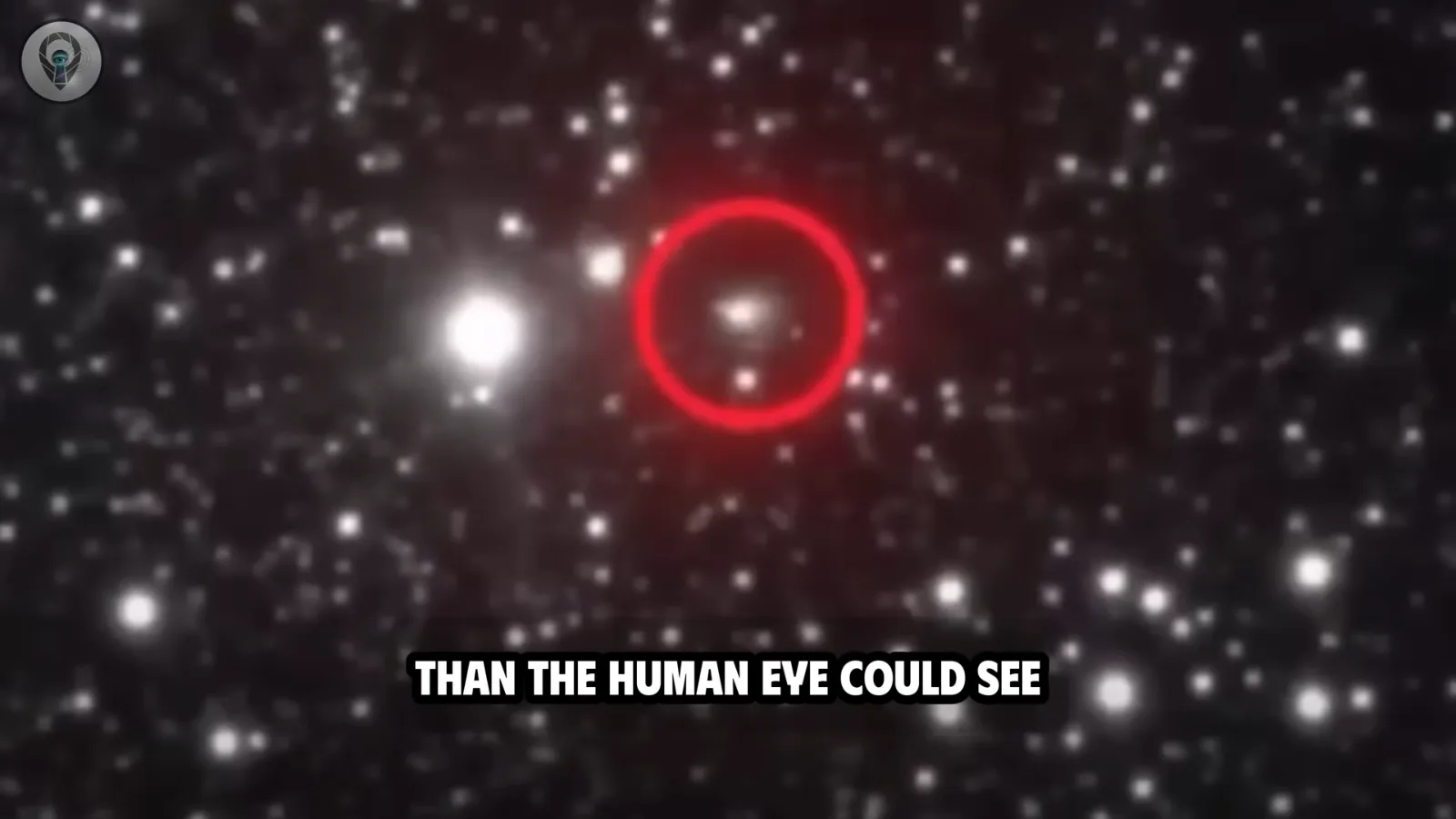
The investigation of 3I/ATLAS is part of a broader movement within the astronomical community to study interstellar objects.
As technology advances, researchers are better equipped to observe and analyze these cosmic visitors.
The potential for groundbreaking discoveries is immense, and 3I/ATLAS is at the forefront of this exploration.
Preparing for the Next Generation
The study of interstellar objects like 3I/ATLAS is paving the way for future research endeavors.
As scientists gather data and refine their methods, they are laying the groundwork for a new era of cosmic discovery.
The lessons learned from 3I/ATLAS will undoubtedly inform our understanding of the universe for years to come.
Conclusion: A Cosmic Mystery Awaits
As we approach the critical moment of perihelion for 3I/ATLAS, the excitement in the scientific community is palpable.
The next few weeks will be crucial in determining the fate of this interstellar traveler.
Will it survive its encounter with the Sun, or will it become another lost opportunity in the vastness of space?
The answers may lie just beyond the horizon, waiting to be uncovered.
As we continue to monitor 3I/ATLAS, one thing is certain: the universe is full of mysteries, and the quest to understand them is an adventure that will inspire generations to come.
Stay tuned as we unravel the next chapter in the story of 3I/ATLAS, a journey that could change our understanding of the cosmos forever.
News

What U.S. Space Force Just Found About China’s Secret Space Mission — IS SHOCKING
What U.S. Space Force Just Found About China’s Secret Space Mission — IS SHOCKING The universe is vast, and in…
3I/ATLAS Just Entered Sun’s Butterfly Hole 35x Earth’s Size – Then This Happened…
3I/ATLAS Just Entered Sun’s Butterfly Hole 35x Earth’s Size – Then This Happened… October 2025 marked a pivotal moment in…

Nasa’s Quantum Ai Was Asked Where Does God Lives Between —Answer Left Everyone Silent
Nasa’s Quantum Ai Was Asked Where Does God Lives Between —Answer Left Everyone Silent In a world where science and…
Amateur Astronomer Just Released The Clearest Image Of 3I/ATLAS Moving
Amateur Astronomer Just Released The Clearest Image Of 3I/ATLAS Moving On August 29, 2025, an event occurred that would challenge…

Notorious Chinese Space Agency Just Tried To Intercept 3I/ATLAS What Happened Next Was Shocking
Notorious Chinese Space Agency Just Tried To Intercept 3I/ATLAS What Happened Next Was Shocking On July 3, 2025, an extraordinary…
Notorious Astronomer Just Captured 3I/ATLAS Moving Faster Then Speed Of Light
Notorious Astronomer Just Captured 3I/ATLAS Moving Faster Then Speed Of Light On July 3, 2025, an event occurred that would…
End of content
No more pages to load