
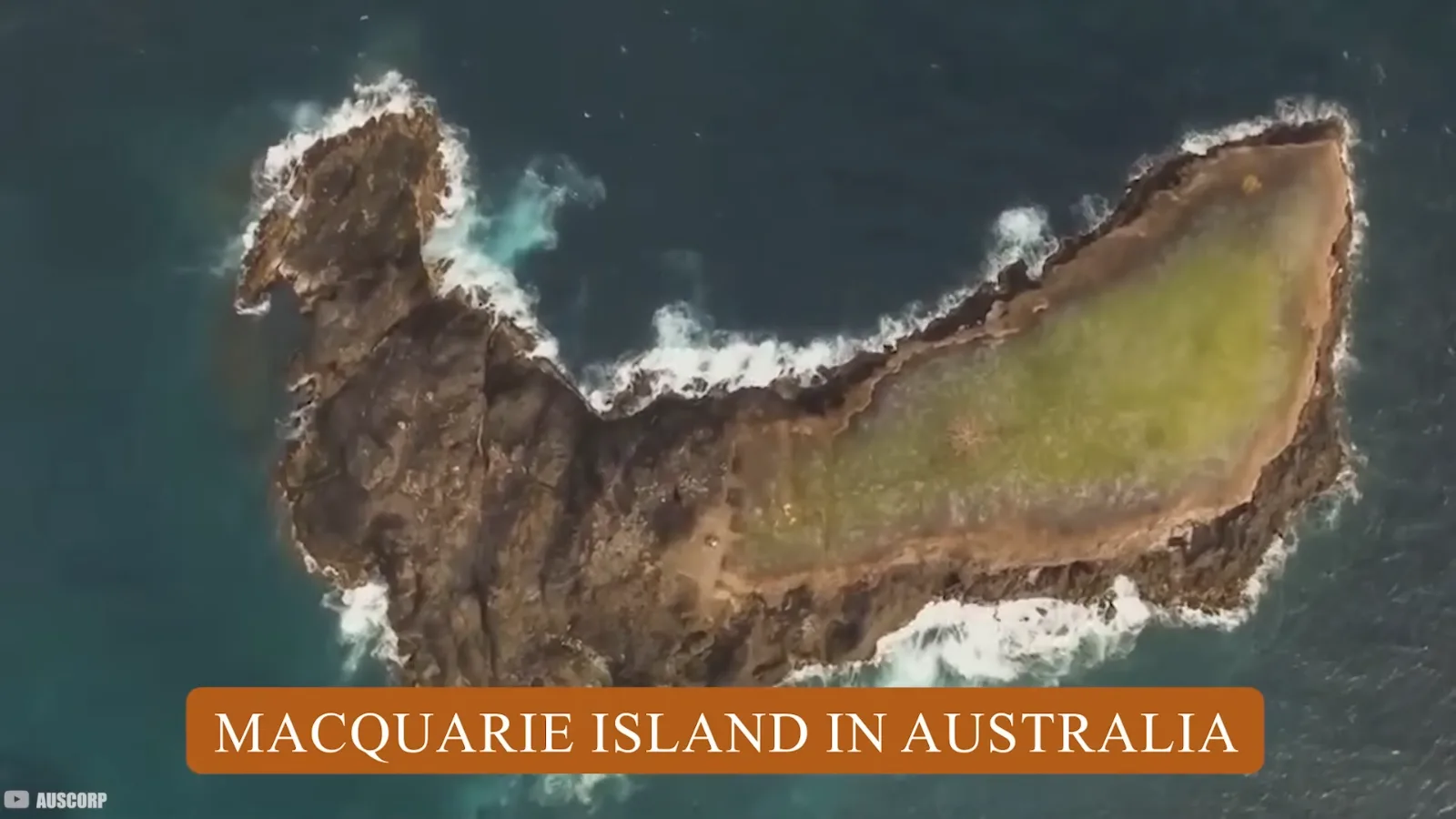
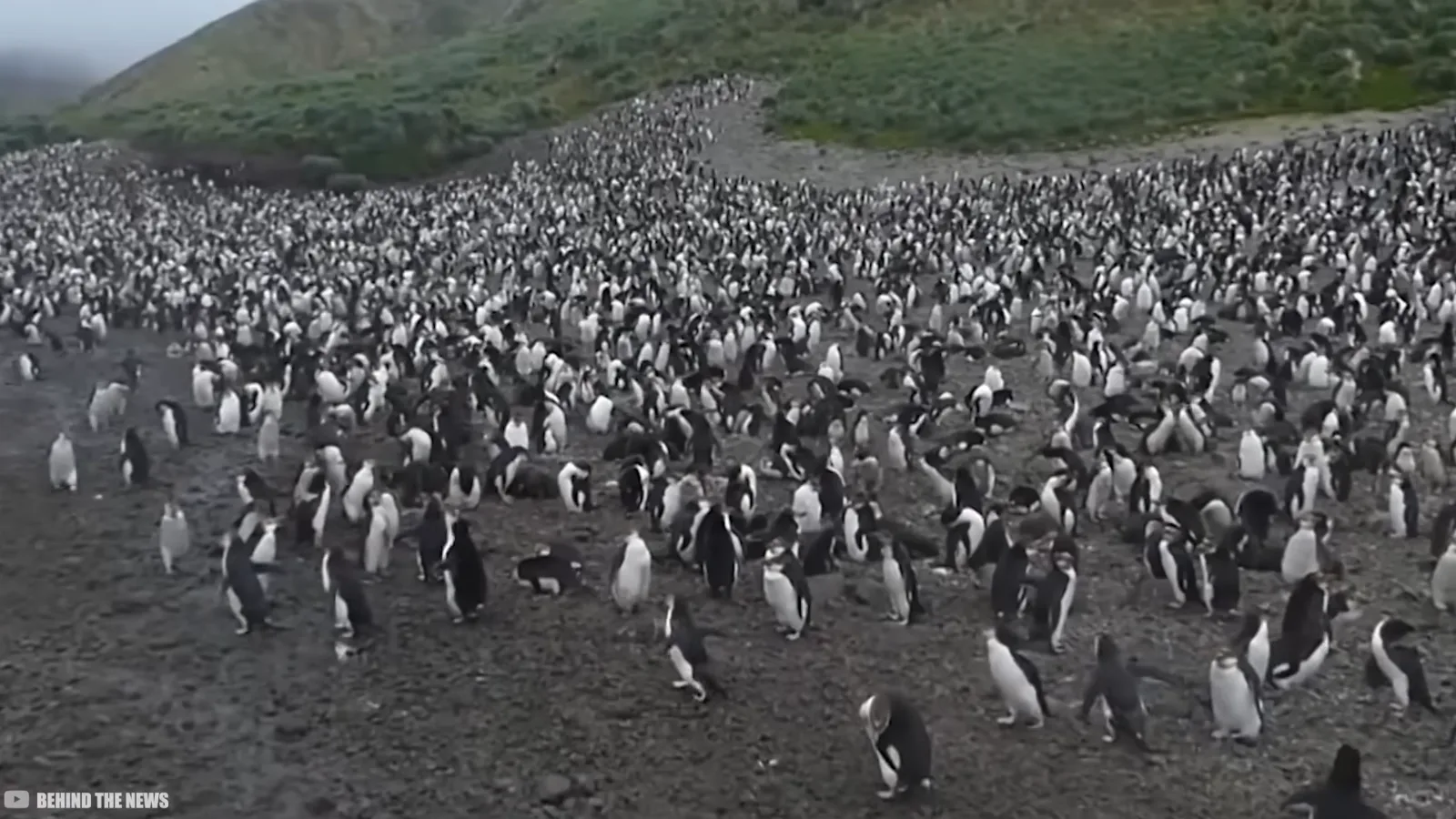
Nestled in the Southern Ocean, Macquarie Island was once a serene haven for wildlife, particularly its iconic penguin populations.
However, beneath the surface of this picturesque landscape lay a dark and disturbing tale of ecological imbalance.
Human intervention, often well-intentioned, led to an invasion that would unleash chaos on the island’s fragile ecosystem.
Thousands of rats, introduced by human activity, began to wreak havoc, devouring native species and disrupting the delicate balance of life.
As researchers and conservationists watched in horror, the question loomed large: could Macquarie Island ever recover from this unprecedented disaster, or was it destined for ecological ruin?
This article delves into the shocking events that unfolded on Macquarie Island, exploring the ramifications of human actions on the environment and the ongoing battle for recovery.

The Beauty of Macquarie Island
Macquarie Island is a UNESCO World Heritage site, renowned for its stunning landscapes and unique biodiversity.
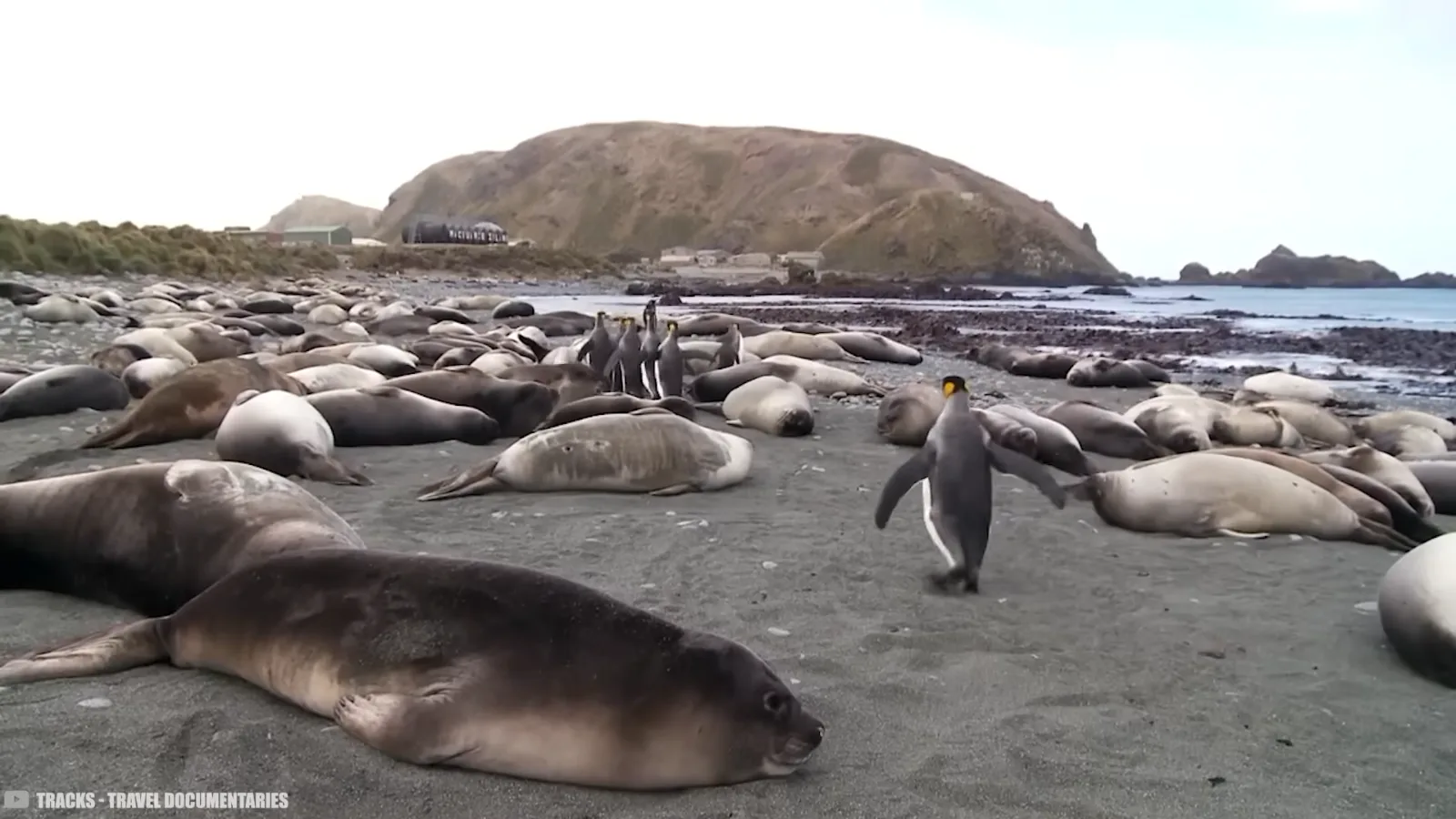
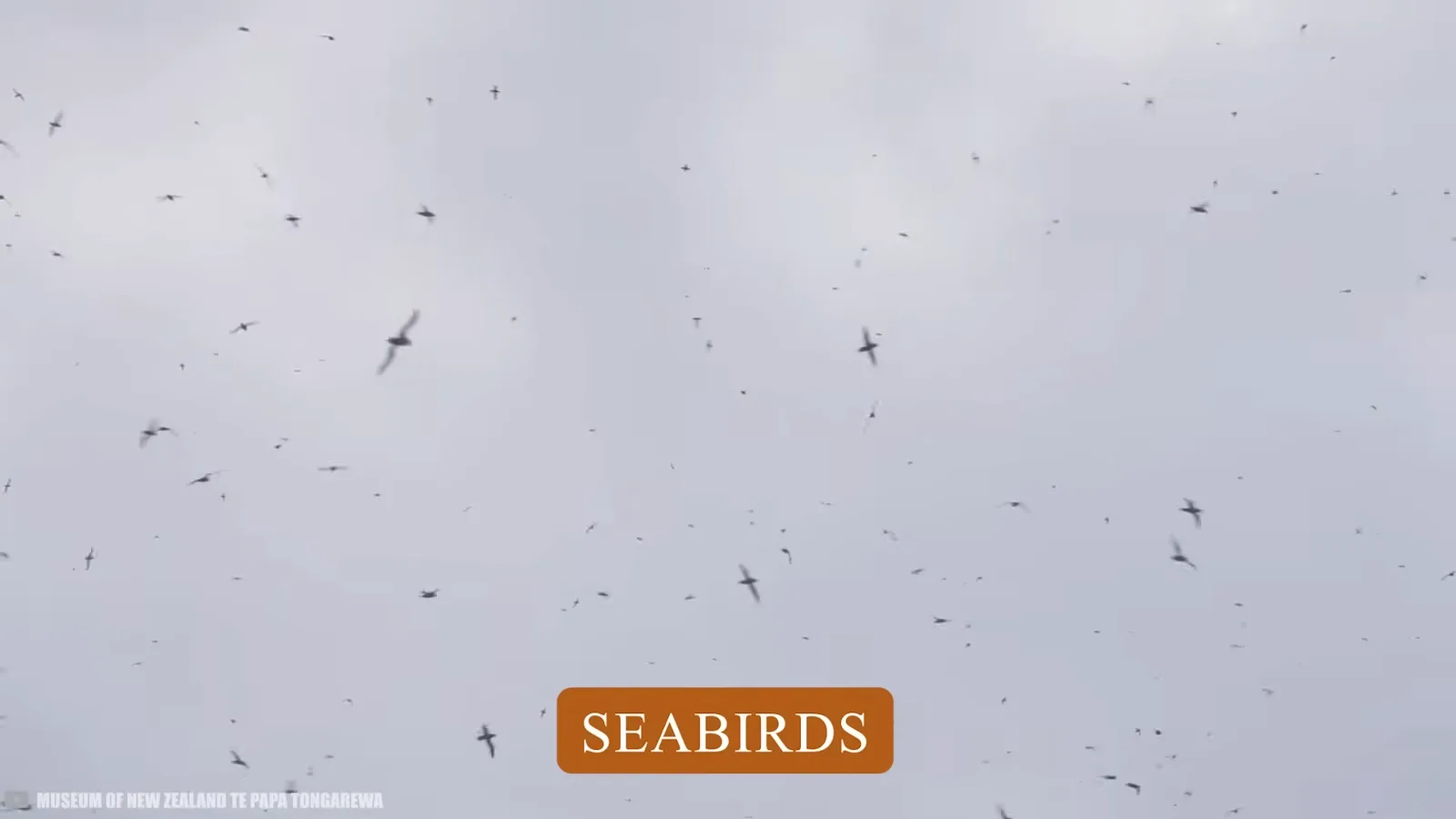
Home to various seabird species and a thriving population of penguins, the island’s ecosystems have evolved over millions of years.
The isolation of the island allowed for the development of distinct flora and fauna, many of which are found nowhere else on Earth.
However, this paradise was not immune to the impacts of human activity.
The arrival of explorers and settlers in the 19th century marked the beginning of significant ecological changes.
Human Impact
Initially, human presence on Macquarie Island was limited, but as interest in the island grew, so did the number of visitors.
Sealers and whalers exploited the island’s resources, leading to the introduction of non-native species.
Among these invaders were rats, which arrived on ships and began to establish themselves in the island’s ecosystems.
Once they settled in, the consequences were dire.
The rats quickly adapted to their new environment, finding ample food sources in the form of eggs, chicks, and native vegetation.
The Invasion of the Rats
The introduction of rats had catastrophic effects on Macquarie Island’s wildlife.
As opportunistic feeders, they posed a significant threat to the island’s native bird populations, particularly the penguins.
Eggs and chicks became easy targets, leading to a sharp decline in penguin numbers.
Researchers noted that the once-thriving colonies were now struggling to survive, their populations dwindling under the relentless pressure of the rat invasion.
The ecological balance that had existed for centuries was being torn apart.
The Struggle for Survival
As the rat population exploded, the island’s natural defenses began to falter.
Native species, unaccustomed to such predation, found themselves unable to compete with the invasive rats.
Many birds, including the endemic Macquarie Island parakeet, faced extinction as their nests were raided and their young consumed.
The island’s vegetation also suffered, as the rats gnawed on roots and seedlings, preventing regeneration and further destabilizing the ecosystem.
The situation grew increasingly dire, prompting researchers and conservationists to take action.
The Response from Conservationists
Recognizing the severity of the situation, conservationists mobilized to address the crisis on Macquarie Island.
Efforts were made to implement a comprehensive eradication program aimed at removing the invasive rat population.
This ambitious plan involved using bait laced with poison, strategically distributed throughout the island to target the rats while minimizing harm to native species.
The operation was not without its challenges, as the rugged terrain and unpredictable weather conditions complicated the logistics of the eradication efforts.
The Eradication Campaign
In 2007, the eradication campaign officially commenced, marking a pivotal moment in the fight to restore Macquarie Island’s ecosystems.
Teams of scientists and volunteers worked tirelessly to deploy bait across the island, covering vast areas in a coordinated effort to eliminate the rats.
The campaign was met with mixed emotions; hope for the island’s recovery was tempered by the uncertainty of the outcome.
Would the eradication efforts succeed in saving the penguins and other native species, or had the damage already been done?
A Turning Point
As the eradication campaign progressed, researchers began to monitor the effects of the baiting program.
Initial assessments indicated a significant decline in the rat population, raising hopes for the island’s recovery.
However, the success of the program hinged on the ability of native species to rebound from the brink of extinction.
Conservationists closely observed penguin colonies, eagerly awaiting signs of resurgence in their numbers.
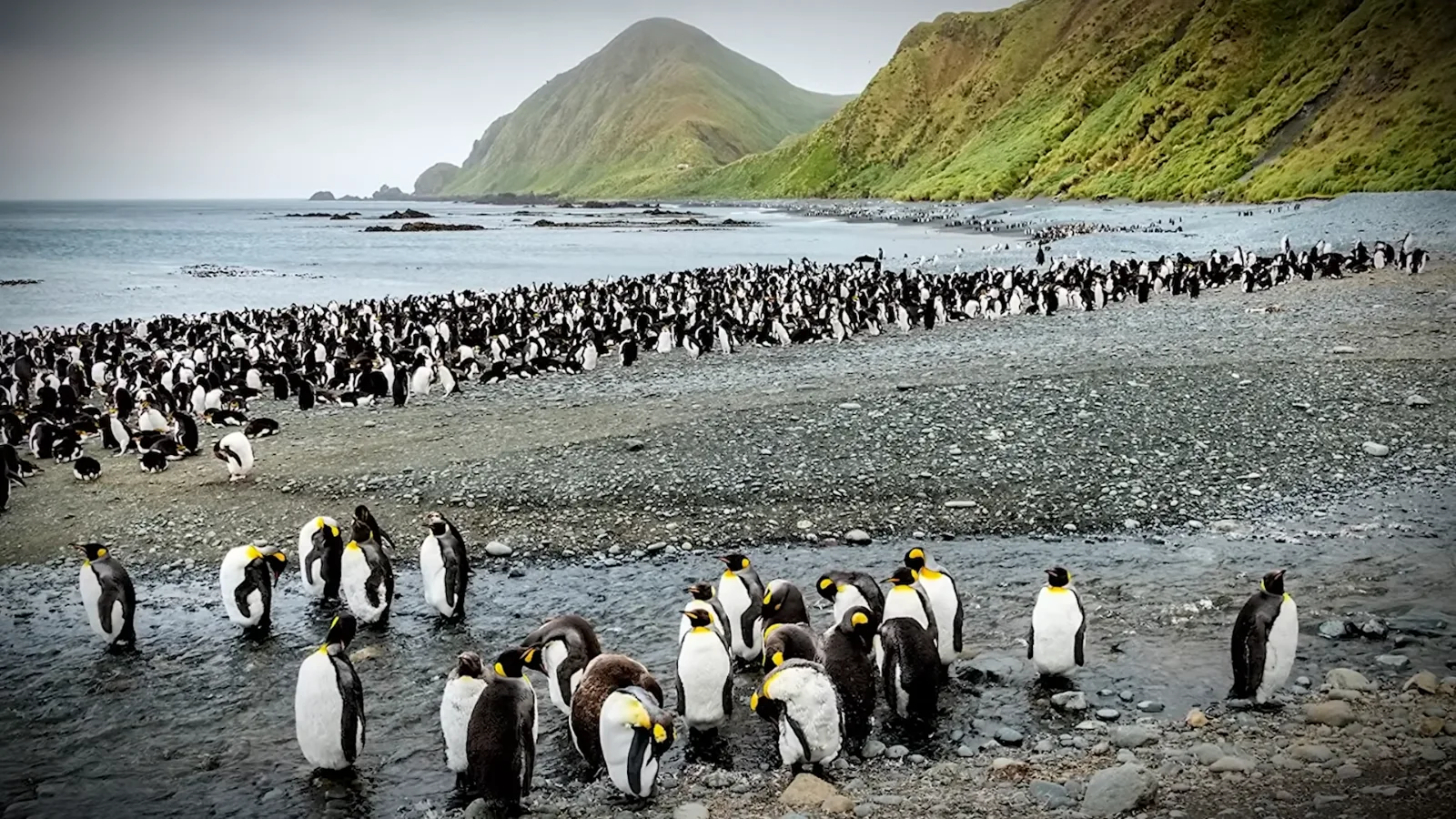
The results were promising; in the years following the eradication, researchers reported an increase in penguin populations, signaling that the island was beginning to heal.
Signs of Recovery
The recovery of Macquarie Island’s ecosystems was a slow and delicate process.
As the rat population diminished, native species began to reclaim their territory.
Penguins returned to their nesting sites, and the once-silent beaches were filled with the sounds of their calls.
Vegetation started to regenerate, providing essential habitat for various bird species.
The island was slowly transforming back into the vibrant ecosystem it had once been, but challenges remained.
Ongoing Challenges
Despite the successes of the eradication campaign, Macquarie Island continues to face challenges in its recovery.
Invasive species remain a threat, as new organisms can easily be introduced through human activities.
Climate change also poses significant risks, affecting weather patterns and sea levels around the island.
Conservationists must remain vigilant, monitoring the island’s ecosystems and implementing measures to protect its unique biodiversity.
The Role of Research
Ongoing research is crucial to understanding the dynamics of Macquarie Island’s ecosystems and ensuring their resilience.
Scientists are studying the interactions between species, the impacts of climate change, and the effectiveness of conservation strategies.
This research not only aids in the recovery of Macquarie Island but also provides valuable insights applicable to other ecosystems facing similar threats.
Lessons Learned
The story of Macquarie Island serves as a powerful reminder of the consequences of human actions on the environment.
It highlights the importance of responsible stewardship and the need to protect fragile ecosystems from invasive species.
The successful eradication of rats from the island demonstrates that with concerted efforts, recovery is possible, even in the face of daunting challenges.
However, it also underscores the ongoing responsibility to safeguard these environments for future generations.
A Call to Action
As we reflect on the shocking tale of Macquarie Island, we are reminded of our role in preserving the planet’s biodiversity.
The lessons learned from this ecological disaster can guide our actions and inform conservation efforts worldwide.
We must advocate for responsible practices that protect vulnerable ecosystems and work to prevent the introduction of invasive species.
The fate of Macquarie Island is not just a local concern; it is a global issue that affects us all.
https://youtu.be/VV4KTkPVSKw
Conclusion
The shocking events that unfolded on Macquarie Island serve as a cautionary tale about the fragility of ecosystems and the profound impact of human activity.
From the introduction of invasive rats to the heroic efforts of conservationists, this story illustrates the complexities of ecological balance.
As Macquarie Island continues its journey toward recovery, it stands as a testament to the resilience of nature and the power of collective action.
In a world facing increasing environmental challenges, we must heed the lessons of Macquarie Island and commit ourselves to protecting the planet’s precious ecosystems.
Only then can we ensure a sustainable future for all living beings that call Earth home.
News
James Webb Telescope CONFIRMS Neptune is NOT What We’re Being Told
James Webb Telescope CONFIRMS Neptune is NOT What We’re Being Told For centuries, Neptune has been an enigmatic sentinel at…
Voyager 2 Sent Back Its Final Images After 47 Years in Space
Voyager 2 Sent Back Its Final Images After 47 Years in Space Launched in 1977, Voyager 2 was never meant…
Voyager 1’s Final Message JUST STOPPED THE WORLD!
Voyager 1’s Final Message JUST STOPPED THE WORLD! For over 45 years, Voyager 1, humanity’s furthest-reaching spacecraft, has been silently…

Voyager 1 just made an IMPOSSIBLE discovery at the edge of the Solar System
Voyager 1 just made an IMPOSSIBLE discovery at the edge of the Solar System For over 45 years, Voyager 1…
James Webb Telescope’s Final Discovery about Betelgeuse JUST WENT TOO FAR
James Webb Telescope’s Final Discovery about Betelgeuse JUST WENT TOO FAR For decades, astronomers have kept a close watch on…
Comet SWAN Is Closing in on Earth as Solar Storms Strike It
Comet SWAN Is Closing in on Earth as Solar Storms Strike It For centuries, comets have been regarded as ominous…
End of content
No more pages to load






