
In a world that feels increasingly mapped and measured, there remain places on Earth that defy our attempts to explore them.
These locations are remote, alien, and nearly forgotten, shrouded in mystery and intrigue.
They seem to guard their secrets fiercely, presenting challenges that deter even the most intrepid adventurers.
What lies within these inaccessible realms?
And why do they remain untouched by human hands?

The Allure of the Unknown
Humanity has an insatiable curiosity about the unknown.
We are driven to explore, to push boundaries, and to discover what lies beyond the horizon.
Yet, despite our advancements in technology and exploration, certain places remain tantalizingly out of reach.
These isolated locations are not just geographical anomalies; they represent the last vestiges of wilderness on our planet.
The Fascination with Isolation
Isolation can evoke a sense of wonder and fear.
For some, it symbolizes freedom and adventure, while for others, it serves as a reminder of nature’s power and unpredictability.
The most inaccessible places on Earth are often steeped in legend and lore, drawing explorers and researchers alike to their enigmatic landscapes.
The Criteria for Inaccessibility
What makes a place truly inaccessible?
Several factors contribute to a location’s remoteness, including geographical barriers, extreme weather conditions, and political restrictions.
Some places are simply too far from civilization, while others are protected by harsh environments that challenge even the most seasoned travelers.
Geographic Isolation
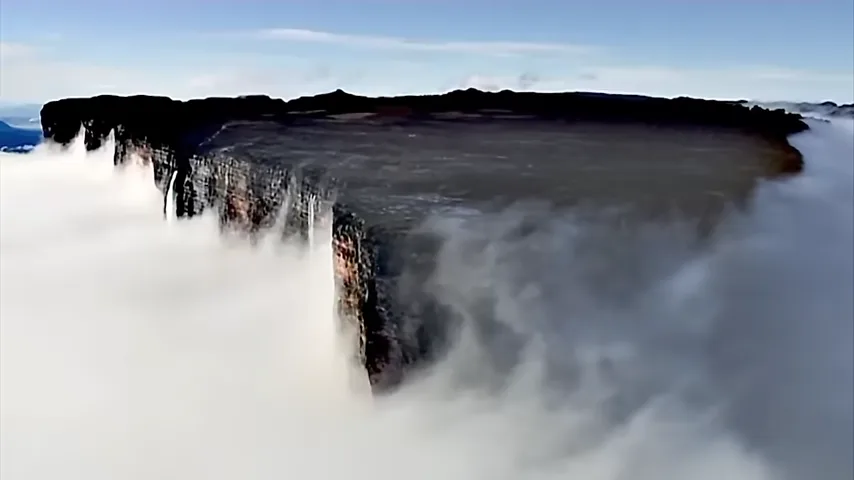
Many of the world’s most isolated places are located in regions that are difficult to reach.
Mountain ranges, dense forests, and vast deserts can create natural barriers that deter exploration.
For instance, the Himalayas contain peaks that are notoriously challenging to climb, while the Amazon rainforest is a labyrinth of trees and rivers that can easily disorient even the most experienced adventurers.
Harsh Weather Conditions
Extreme weather can also play a significant role in a location’s inaccessibility.
Places like Antarctica and the Arctic Circle are defined by their frigid temperatures and unpredictable storms.
These conditions not only make travel difficult but also pose serious risks to those who dare to venture into such environments.
Political and Legal Restrictions
In some cases, political factors can render a location inaccessible.
Certain areas may be off-limits due to government regulations or military presence.
Regions experiencing conflict or instability often deter outsiders, making them some of the most isolated places on Earth.
The Most Inaccessible Places on Earth
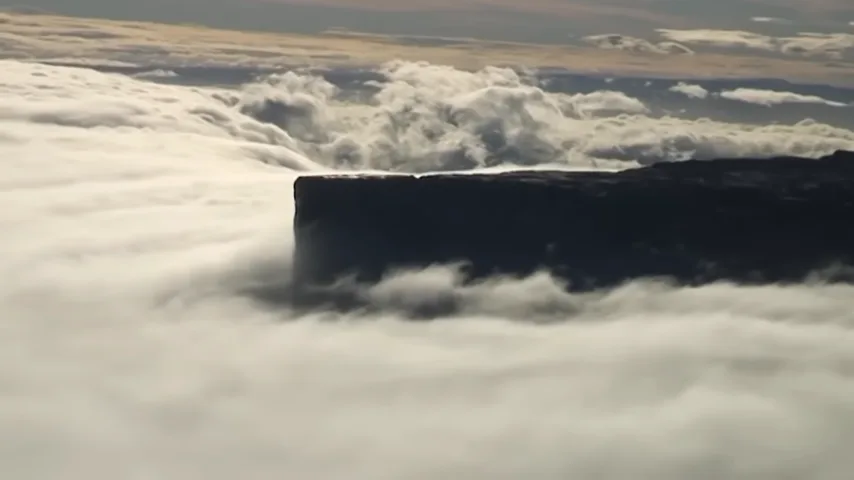
Now, let’s explore some of the most remote and isolated locations on our planet.
These places are not just difficult to reach; they are shrouded in mystery and often hold secrets waiting to be uncovered.
Tristan da Cunha: The Most Remote Inhabited Island
Located in the South Atlantic Ocean, Tristan da Cunha is often referred to as the most remote inhabited island in the world.
It is approximately 1,750 miles from the nearest inhabited land, making it a true outpost of civilization.
The island is home to a small community, but reaching it requires a long sea voyage, as there are no airports or direct flights.
North Sentinel Island: A Forbidden Paradise
North Sentinel Island, part of the Andaman and Nicobar Islands in India, is known for its isolation and the indigenous Sentinelese people who inhabit it.
The Indian government has prohibited outsiders from visiting the island to protect the tribe and their way of life.
This has made North Sentinel one of the most inaccessible places on Earth, as any attempt to approach the island is met with hostility from its inhabitants.
The Amazon Rainforest: Nature’s Labyrinth
The Amazon rainforest is often referred to as the lungs of the Earth, but it is also one of the most challenging environments to navigate.
With its dense vegetation, unpredictable weather, and vast size, the Amazon can be a daunting place for explorers.
Many areas remain unexplored, hiding countless species and ancient secrets.
Antarctica: The Last Great Wilderness
Antarctica is the coldest, driest, and windiest continent on Earth, making it an inhospitable environment for human life.
While research stations exist, vast portions of the continent remain untouched.
The extreme conditions and isolation create a sense of awe and fear, drawing scientists and adventurers alike to its icy landscapes.
The Mariana Trench: The Deepest Point on Earth
Located in the western Pacific Ocean, the Mariana Trench is the deepest part of the world’s oceans.
Its depths reach nearly 36,000 feet, and the pressure there is immense.
Exploration of this underwater abyss is limited, as only a handful of manned missions have successfully reached its depths.
The trench remains largely unexplored, holding mysteries that may never be revealed.
The Sahara Desert: An Ocean of Sand
The Sahara Desert is the largest hot desert in the world, covering much of North Africa.
Its vast stretches of sand dunes and extreme temperatures create a formidable barrier to exploration.
Many areas of the Sahara remain uncharted, with nomadic tribes being the only inhabitants of these remote regions.
The Himalayas: The Roof of the World
The Himalayas, home to some of the highest peaks on Earth, are both breathtaking and treacherous.
Mount Everest, the tallest mountain in the world, attracts climbers from around the globe, but the surrounding areas are often less explored.
The harsh conditions and altitude sickness make traversing this region a formidable challenge.
The Gobi Desert: A Land of Extremes
The Gobi Desert, spanning northern China and southern Mongolia, is known for its extreme temperatures and arid conditions.
Its vast expanses can be disorienting, and many parts remain unexplored.
The harsh environment makes it difficult for humans to thrive, adding to its isolation.
The Amazon Rainforest: Nature’s Labyrinth
The Amazon rainforest is often referred to as the lungs of the Earth, but it is also one of the most challenging environments to navigate.
With its dense vegetation, unpredictable weather, and vast size, the Amazon can be a daunting place for explorers.
Many areas remain unexplored, hiding countless species and ancient secrets.
Socotra Island: The Galápagos of the Indian Ocean
Socotra Island, located off the coast of Yemen, is known for its unique biodiversity.
Its isolation has led to the evolution of many species found nowhere else on Earth.
However, reaching Socotra is no easy feat, as it requires navigating through politically unstable regions.
The Significance of Exploring the Inaccessible
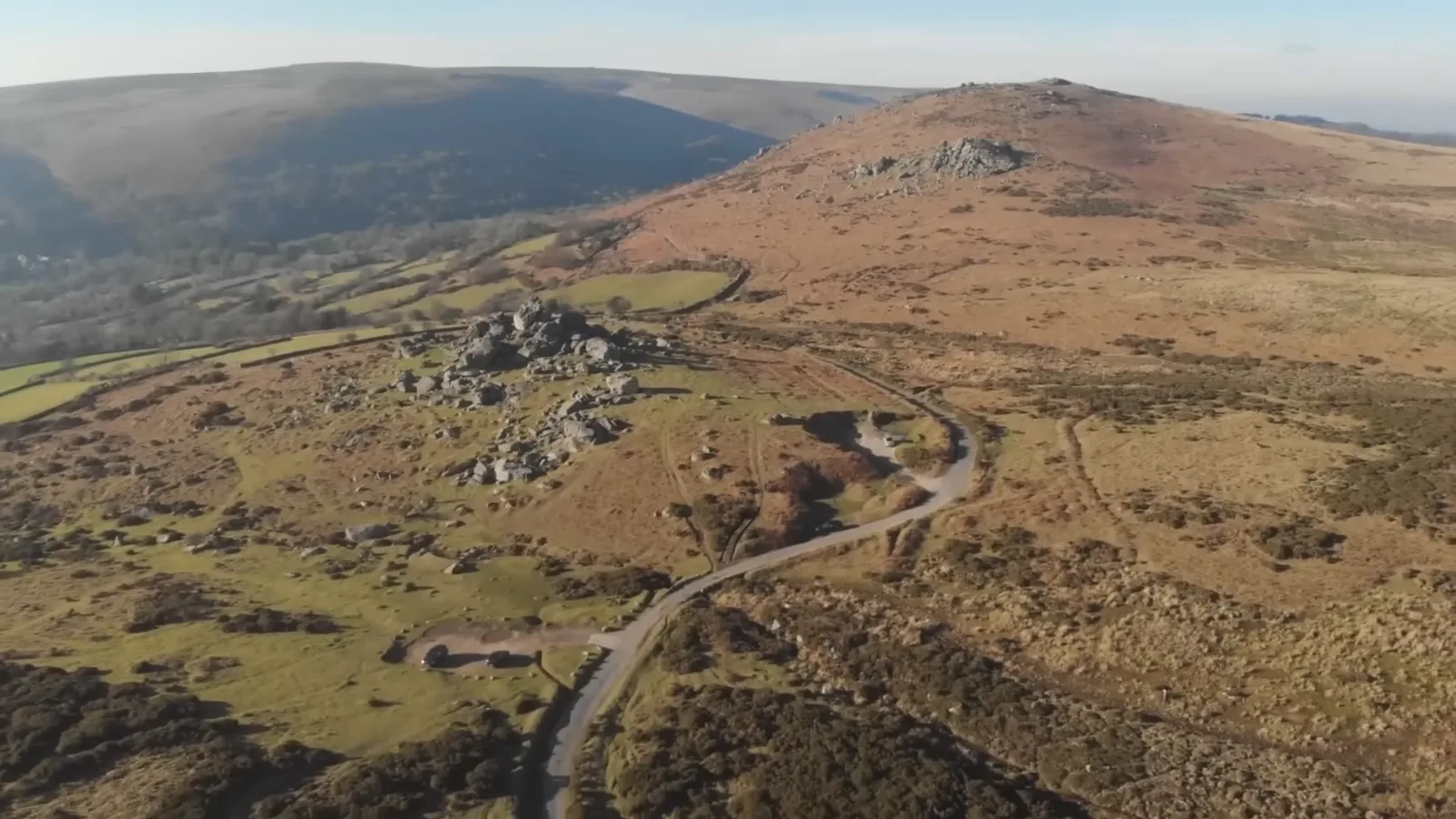
Exploring inaccessible places is not just about adventure; it holds significant scientific and cultural value.
These remote locations can provide insights into biodiversity, climate change, and human history.
Studying these areas helps us understand the planet’s past and how it may change in the future.
Biodiversity Hotspots
Many of the world’s most isolated places are also biodiversity hotspots.
They harbor unique species that have adapted to their environments over millennia.
Protecting these areas is crucial for conservation efforts, as they may hold the key to understanding ecological processes.
Climate Change Indicators
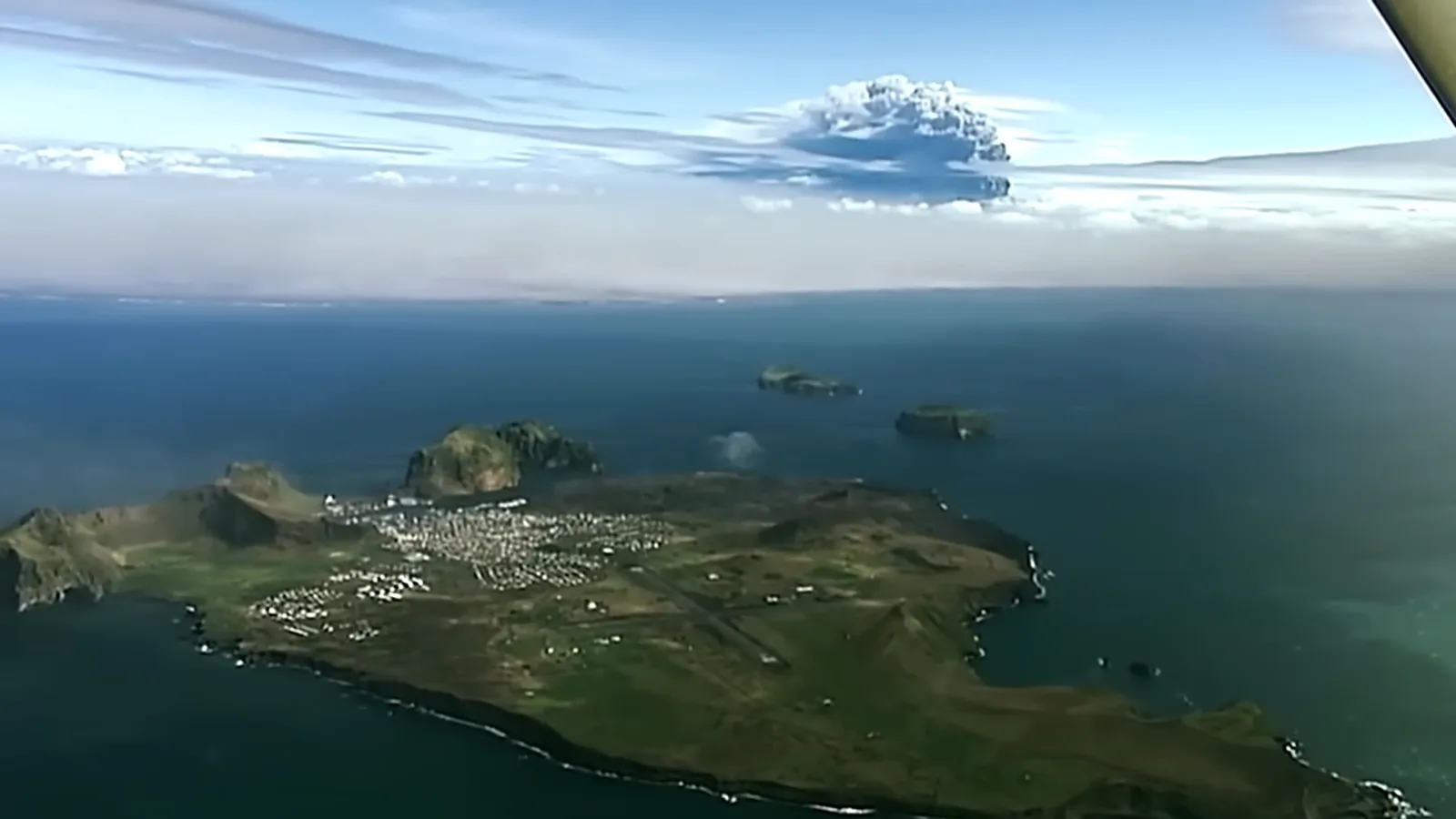
Remote locations often serve as indicators of climate change.
Studying the effects of warming temperatures and changing weather patterns in these areas can provide valuable data for scientists.
Understanding how these ecosystems respond to climate change is essential for developing effective conservation strategies.
Cultural Heritage
Isolated places often hold cultural significance, preserving the traditions and ways of life of indigenous peoples.
Exploring these areas with respect can lead to a deeper understanding of human history and cultural diversity.
It is crucial to approach such explorations ethically, ensuring that local communities are involved and respected.
Conclusion: The Call of the Wild
The most inaccessible and isolated places on Earth continue to captivate our imagination.
They represent the last frontiers of exploration, where nature reigns supreme and secrets remain hidden.
As we venture into these remote realms, we must do so with a sense of responsibility and respect for the environment and the cultures that inhabit them.
While the allure of the unknown is strong, it is essential to recognize the importance of preserving these untouched landscapes for future generations.
In a world that feels increasingly connected, these isolated places remind us of the beauty and mystery that still exists on our planet.
As we continue to explore, let us honor the secrets of the unreachable and strive to protect the wonders that nature has to offer.
News

James Webb Telescope CONFIRMS Neptune is NOT What We’re Being Told
James Webb Telescope CONFIRMS Neptune is NOT What We’re Being Told For centuries, Neptune has been an enigmatic sentinel at…
Voyager 2 Sent Back Its Final Images After 47 Years in Space
Voyager 2 Sent Back Its Final Images After 47 Years in Space Launched in 1977, Voyager 2 was never meant…

Voyager 1’s Final Message JUST STOPPED THE WORLD!
Voyager 1’s Final Message JUST STOPPED THE WORLD! For over 45 years, Voyager 1, humanity’s furthest-reaching spacecraft, has been silently…

Voyager 1 just made an IMPOSSIBLE discovery at the edge of the Solar System
Voyager 1 just made an IMPOSSIBLE discovery at the edge of the Solar System For over 45 years, Voyager 1…

James Webb Telescope’s Final Discovery about Betelgeuse JUST WENT TOO FAR
James Webb Telescope’s Final Discovery about Betelgeuse JUST WENT TOO FAR For decades, astronomers have kept a close watch on…

Comet SWAN Is Closing in on Earth as Solar Storms Strike It
Comet SWAN Is Closing in on Earth as Solar Storms Strike It For centuries, comets have been regarded as ominous…
End of content
No more pages to load






