
😱 Canadians Are Leaving Florida, and Politicians Are in Denial: The Economic Fallout! 😱
The state of Florida has long been a favored destination for Canadian tourists, particularly snowbirds who flock to the Sunshine State each winter.
However, recent developments suggest that this once-thriving relationship is deteriorating rapidly.
Canadian airlines are cutting flights to popular U.S. cities, including Florida, as many Canadians are reportedly avoiding the United States altogether.
This year alone, over 60,000 Canadians are estimated to have changed their travel plans, contributing to a staggering loss of approximately 100,000 Canadian tourists in just three months.
Governor Ron DeSantis has dismissed concerns about the drop in Canadian visitors, insisting that everything is fine.
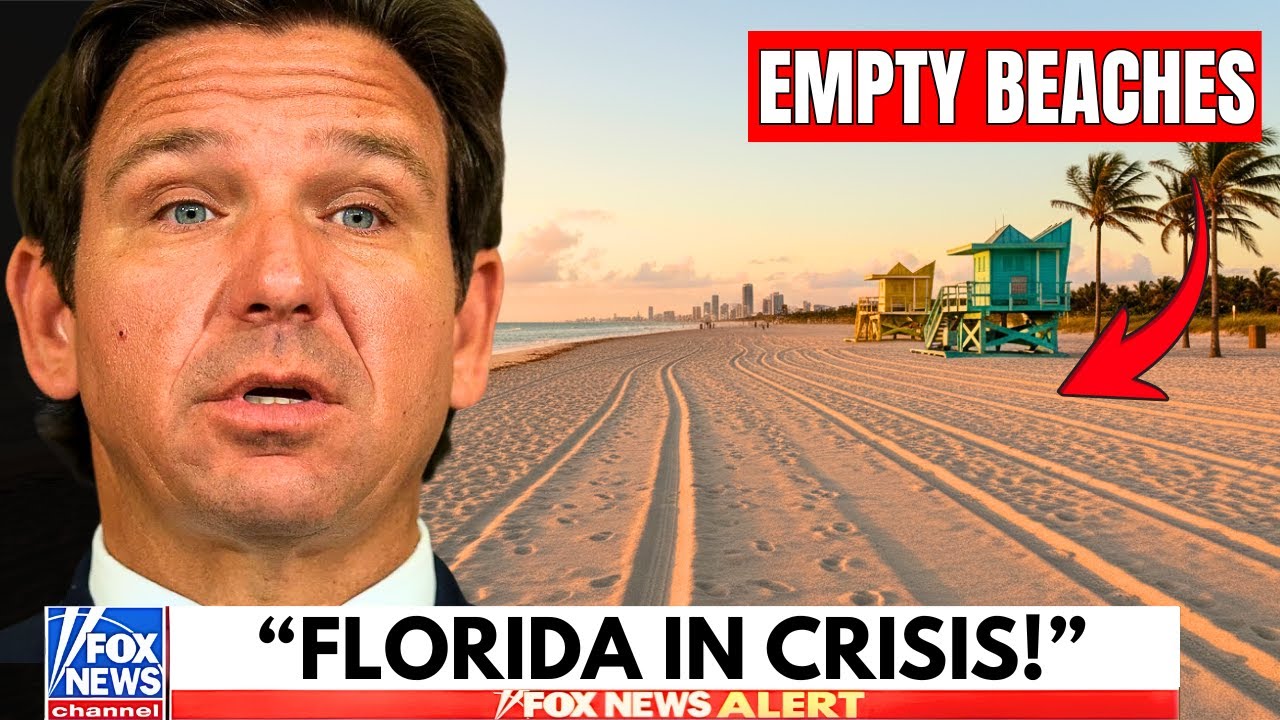
However, the reality on the ground tells a different story.
Local businesses are struggling financially, real estate sales have come to a standstill, and entire communities that have built their economies around Canadian snowbirds are beginning to panic.
Visit Florida reported that only 640,000 Canadians visited the state during the second quarter of 2025, a decline from 739,000 during the same period the previous year.
While this may not seem catastrophic at first glance, the implications are far-reaching.
For instance, Canadian arrivals at Fort Lauderdale Airport dropped by 13.5%, leading to an estimated $90 million in lost economic activity for that area alone.
When considering the impact across all of Florida’s tourist destinations, a hypothetical 10% reduction in Canadian travel could result in a staggering $2.1 billion in lost spending and approximately 14,000 job losses.

The decline is not just a theoretical concern; it is a current reality that is affecting many communities across the state.
Despite these alarming statistics, Governor DeSantis has continued to downplay the crisis.
At the 2025 Florida Governor’s Conference on Tourism, he jokingly remarked on Canadians preferring Florida’s warmth over the cold winters at home, while touting overall tourism numbers that showed 34.4 million visitors during the second quarter.
However, this perspective overlooks the critical issue at hand: the significant drop in Canadian tourists who contribute to Florida’s economy.
Adding to the problem, DeSantis has made comments suggesting that he views Canadian tourists primarily as a source of revenue, stating he wants them to help subsidize state taxes.
Such remarks have not been well received in Canada, where many feel undervalued and unwelcome.
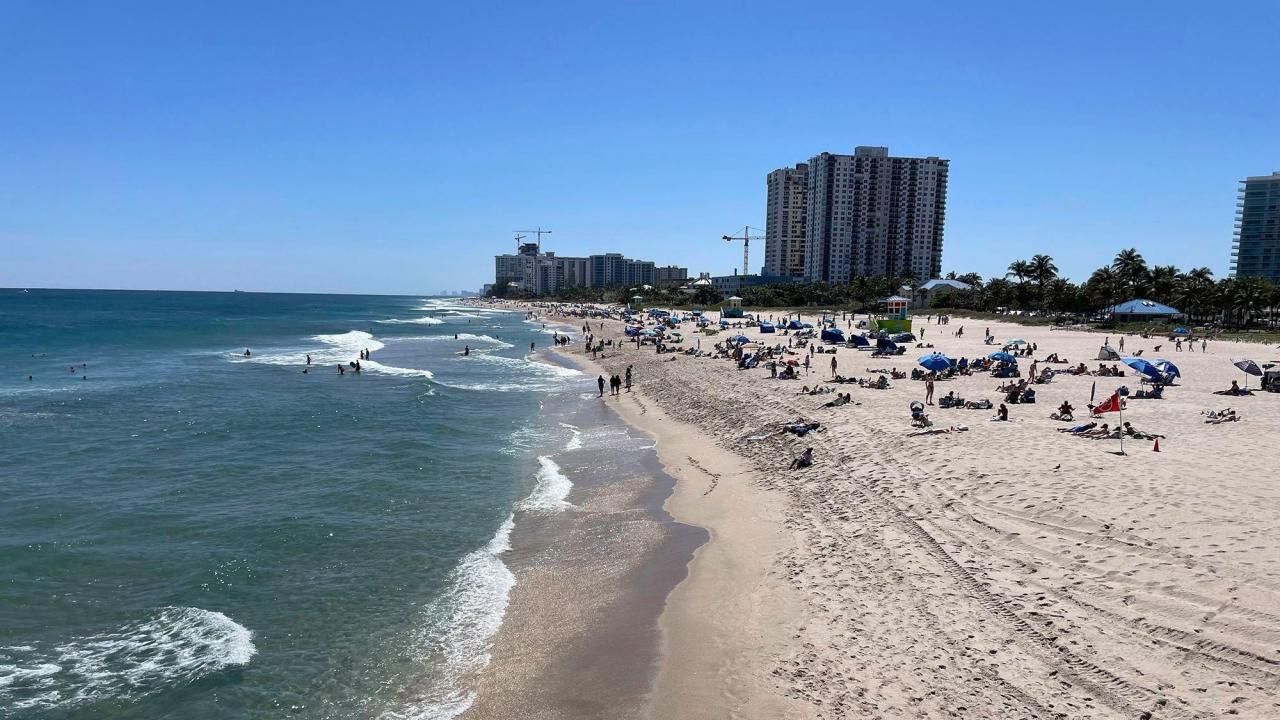
Tourism experts warn that framing the relationship in purely financial terms can drive away potential visitors, as it undermines the sense of goodwill that has historically characterized the Florida-Canada connection.
The reasons behind the Canadian exodus are multifaceted.
Political tensions between the U.S. and Canada have escalated in recent years, particularly during Donald Trump’s presidency.
His derogatory remarks about Canada and the imposition of tariffs on Canadian goods have left many Canadians feeling insulted and alienated.
For instance, Francois Grenier, a business owner in Dana Beach, noted that many of his regular Canadian customers have chosen to boycott Florida due to the political climate.
Moreover, economic pressures are exacerbating the situation.
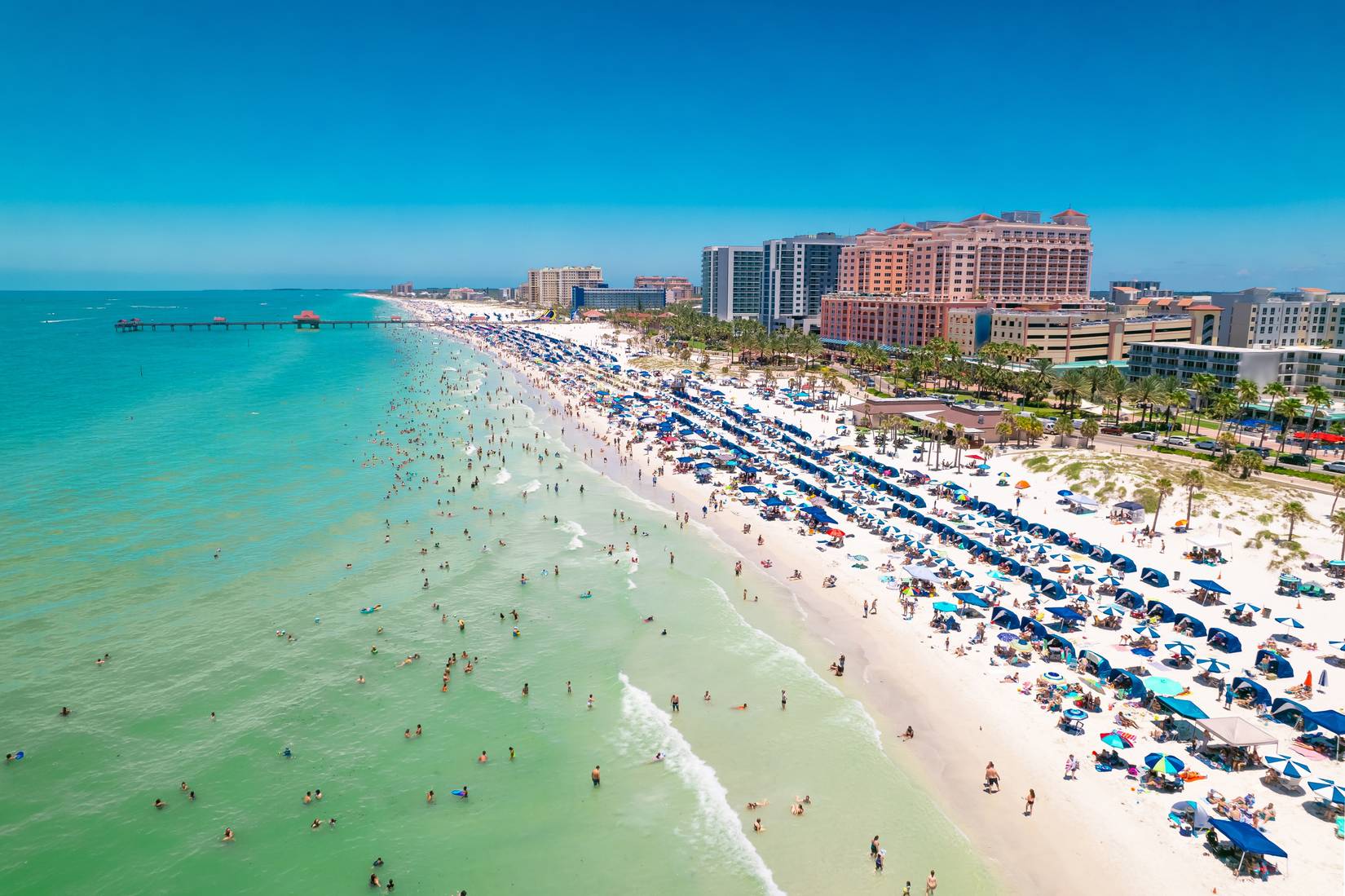
Rising insurance costs in Florida, driven by a series of destructive hurricanes, have made it increasingly expensive for Canadian property owners to maintain their homes.
Many Canadians now face premiums that cost thousands or even tens of thousands of dollars annually, making the prospect of owning a second home in Florida less appealing.
Additionally, the weakening Canadian dollar means that vacations in Florida are becoming more expensive, further discouraging travel.
Climate change concerns are also affecting Canadian perceptions of Florida.
With rising sea levels and increased storm frequency, many Canadians are becoming hesitant to invest in coastal properties.
The overall cost of maintaining a second home has risen to the point where many snowbirds are reevaluating whether it is worth the expense.
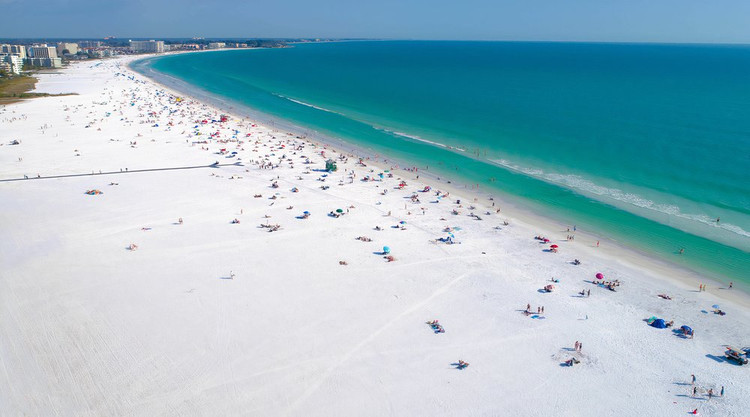
The real estate market in Florida is already feeling the effects of this decline.
According to Redfin, interest from Canadian buyers has dropped by 25%, and the first quarter of 2025—the peak buying season—saw almost no activity from Canadian buyers.
Karen O’Brien, a real estate agent in Naples, reported that many of her clients have decided to sell their properties rather than endure the rising costs and political hostility.
The broader implications of this trend are significant.
Statistics Canada recently reported a 15.6% decline in international arrivals to Canada, with Canadians returning from the U.S. down by 36.9% compared to the previous year.
The data suggests that Canadians are not just avoiding Florida; they are avoiding the entire United States.

In 2024, 20.2 million Canadians visited the U.S., contributing over $20 billion to the economy and supporting around 140,000 American jobs.
Now, these numbers are plummeting.
As businesses scramble to adapt, some are seeking new markets to fill the gap left by departing Canadian tourists.
Hotels in Florida are exploring opportunities in Brazil to attract new visitors, but the problem remains: Brazilian tourists have different spending patterns and preferences.
They do not stay as long as Canadian snowbirds, nor do they typically invest in property or integrate into local communities.
The steepest drop in visitors has been seen in international passengers at Fort Lauderdale Airport, which reported a 21.5% decline year-to-date through June.

Richard Clevette, owner of Richard’s Motel, noted a wave of cancellations this spring and summer, which, although slightly improving, still points to an overall downward trend.
The ripple effects of losing Canadian snowbirds extend beyond immediate economic impacts.
When Canadians sell their properties or choose not to buy new ones, property tax revenues diminish, which in turn affects funding for local schools, police departments, and other public services.
Jobs in construction, real estate, and property management are also at risk.
Retailers that relied on snowbird customers are left scrambling to adjust their inventory and staffing.
Moreover, the social fabric of communities that have welcomed Canadian snowbirds for decades is fraying.

These visitors have been more than just tourists; they have become integral members of the community, participating in volunteer programs and local clubs.
The loss of these relationships represents a deep emotional and social void that cannot be measured in dollars alone.
Where are the Canadians going instead?
Many are opting for destinations that actively welcome them, such as Mexico, which offers warm weather and lower costs.
The Caribbean islands provide beautiful beaches without the political baggage, while countries like Portugal and Spain attract Canadians seeking European culture.
For many, the decision to abandon Florida is not temporary but permanent.

Looking ahead, the upcoming winter season of 2025-2026 will be a critical test for Florida’s tourism industry.
Will Canadian snowbirds return in their usual numbers, or will the decline continue?
Businesses that have already seen drops in bookings are preparing for the worst while hoping for the best, but many remain pessimistic.
The political relationship between the U.S. and Canada remains tense, and without significant changes, it is likely that many Canadians will stick to their new vacation plans.
The economic pressures pushing Canadians away show no signs of abating, and state leaders’ dismissive attitudes toward the concerns of Canadian visitors only exacerbate the issue.
In contrast, other states are actively courting Canadian tourists with welcoming messages and targeted promotions.

California, Illinois, New York, and Massachusetts have launched campaigns to attract back Canadian visitors, recognizing the economic importance of this market segment.
While Florida welcomed approximately 75.394 million tourists during the first half of 2025, the numbers mask a troubling reality.
Although domestic tourism remains strong, international tourism has dropped significantly, and the visitors filling the gap are not the same as the loyal snowbirds who used to spend months in Florida each year.
The generational shift in snowbird demographics poses an additional challenge.
Many older Canadians who have been making the trip for decades are now selling their properties, and early signs suggest that younger Canadians are less likely to develop the same attachment to Florida.
They are more interested in adventure travel and shorter trips rather than investing in second homes abroad.

The real crisis for Florida lies in the gradual but significant decline of Canadian tourists.
The state did not wake up one morning to find all Canadians gone, but it may soon realize that they have left and may not return.
The changes are happening slowly enough to be ignored by those unwilling to confront uncomfortable truths, yet fast enough for businesses to feel the pain right now.
The disconnect between state officials’ optimistic rhetoric and the experiences of local businesses creates a dangerous situation.
While tourism statistics may indicate overall visitor counts are stable, the specific and valuable market segment of Canadian snowbirds is disappearing.

To turn this situation around, experts suggest that Florida must first acknowledge the problem.
Dismissing concerns will only worsen the situation.
A more welcoming message from state leaders could help, but actions must follow words.
Addressing the insurance crisis would make Florida more attractive to Canadian property owners, although this is a complex issue without easy solutions.
Ultimately, the question is not whether Florida can survive without Canadian tourists; the state is large and diverse enough to adapt.
The real question is how much economic pain will occur before the full extent of the loss is recognized.
As of October 2025, some see the problem clearly, while others insist everything is fine.
This disconnect is dangerous, as empty rental properties, slow real estate sales, and canceled reservations tell a story that overall tourism statistics do not capture.
The next few months will reveal whether Florida has underestimated its reliance on Canadian tourists and whether those tourists can be convinced to return.
The future of Florida’s tourism industry hinges on the state’s ability to rebuild relationships that have taken decades to establish but may have been damaged irreparably in just a few years.
News

😱 Is Ian Gillan Next? Shocking Retirement Rumors Emerge After David Coverdale’s Exit! 😱 – HTT
😱 Is Ian Gillan Next? Shocking Retirement Rumors Emerge After David Coverdale’s Exit! 😱 In the world of rock music,…

😱 The Shocking Truth Behind Ian Gillan’s Retirement Plans: Is It Time to Say Goodbye? 😱 – HTT
😱 The Shocking Truth Behind Ian Gillan’s Retirement Plans: Is It Time to Say Goodbye? 😱 Ian Gillan, the legendary…

😱 Is 3I/ATLAS a Cosmic Seed or a Galactic Trojan Horse? Prepare to Be Amazed! 😱 – HTT
New Evidence Sheds Light on the Enigmatic 3I/ATLAS: A Cosmic Visitor Defying Expectations Since the dawn of telescopic astronomy, interstellar…

😱 From Waltz to Heartfelt Confession: Andre Rieu’s Emotional Birthday Surprise! 😱 – HTT
😱 From Waltz to Heartfelt Confession: Andre Rieu’s Emotional Birthday Surprise! 😱 What’s the one love song that always melts…

😱 From Wedding Fiddler to Billboard King: How Andre Rieu Redefined Classical Music! 😱 – HTT
😱 From Wedding Fiddler to Billboard King: How Andre Rieu Redefined Classical Music! 😱 Andre Rieu did the unthinkable. He…

😱 Heartbreak in Rock: The Real Reason Behind Ace Frehley’s Untimely Death! 😱 – HTT
😱 Heartbreak in Rock: The Real Reason Behind Ace Frehley’s Untimely Death! 😱 Ace Frehley, the legendary guitarist and founding…
End of content
No more pages to load






