
Florida’s Hidden Crisis: The Sunshine State’s Struggle Beneath the Surface
Florida has long been celebrated as a land of sunshine, beaches, and endless opportunity—a retirement haven and tourist hotspot where dreams are supposed to come true.
But beneath the postcard-perfect palm trees and glittering coastlines lies a troubling reality that many residents face daily.
The state is grappling with a multifaceted crisis involving soaring home insurance costs, an affordable housing shortage, political corruption, environmental degradation, and strained public services.
These challenges threaten to transform Florida from a dream destination into a place where many can no longer afford to live.
One of the most immediate and painful issues for Floridians is the skyrocketing cost of home insurance.

After Hurricane Helen and other recent storms, many insurance companies have refused to renew policies, leaving homeowners scrambling.
Between 2018 and 2023, the rate of insurance non-renewals in Florida surged by 280%, the highest increase in the nation.
In 2023 alone, nearly 3% of policies were not renewed, nearly double the rate of the next worst state, Louisiana.
What makes this crisis even more infuriating is that insurance companies have not been honest about their financial struggles.
While claiming losses to lawmakers and seeking $2 billion in taxpayer-funded bailouts, these companies were secretly paying out $680 million in dividends to shareholders and transferring billions to affiliated businesses.
They used these false claims of hardship to secure political favors, donating nearly $4 million to campaigns in what critics call a pay-to-play scheme.

Meanwhile, average home insurance premiums in Florida have soared to over $3,000 annually—more than double the national average—and experts warn costs could quintuple by 2025.
The insurance crisis has forced about 20% of Florida homeowners to go uninsured, gambling their financial security on the hope that disaster won’t strike.
Renters face an equally dire situation.
Nearly 95,000 low-income renter households cannot afford housing, with only 26 affordable rental homes available for every 100 extremely low-income families.
The state needs over 400,000 more affordable housing units just to meet basic demand.
This shortage stems from several factors, including rapid population growth, real estate speculation by private equity and trusts, and the conversion of traditional housing into short-term vacation rentals like Airbnb.

State laws have exacerbated the problem by blocking rent control, preventing local governments from regulating landlord-tenant contracts, and banning inclusionary zoning that would require affordable units in new developments.
These policies favor wealthy developers and out-of-state investors over Florida’s working families.
Corruption and political maneuvering further complicate the picture.
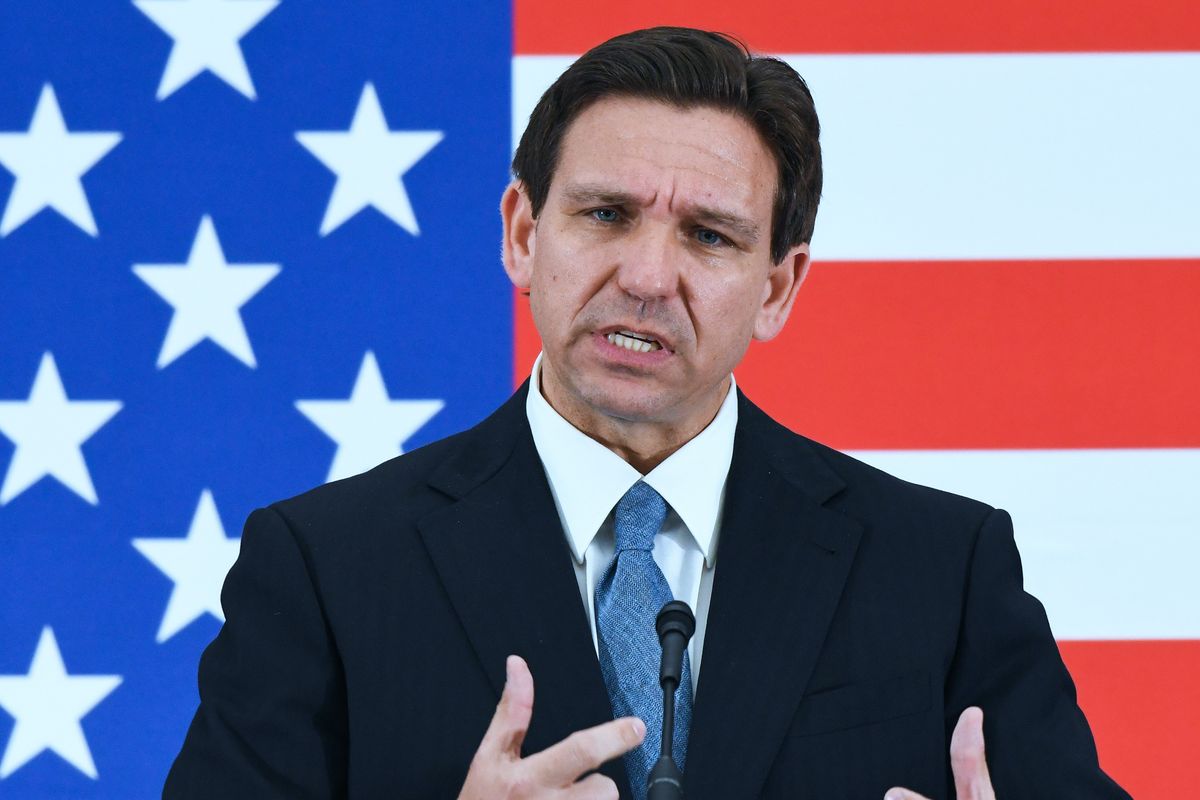
A 2024 Medicaid settlement with Centine Corporation, which should have funded healthcare for low-income Floridians, instead funneled $10 million to a charity linked to the governor’s wife.
That money was then directed to political action committees opposing marijuana legalization and supporting Governor Ron DeSantis’s allies.
Investigations suggest this money trail resembles wire fraud and money laundering, raising serious questions about accountability and transparency.
Education funding also suffers amid political battles.
In 2025, the federal government froze nearly $400 million in education funds for Florida schools, citing concerns over “woke” programs.
Although some afterschool funding was restored, public schools remain financially strained.
Meanwhile, Florida has become a battleground over book bans, with hundreds of titles removed from school libraries under a 2023 state law, sparking lawsuits over First Amendment rights.
Environmental challenges compound Florida’s woes.
A massive red tide bloom along the southwest coast, fueled by polluted water releases from Lake Okeechobee, has devastated marine life and tourism.

Despite the ecological and economic damage, political compromises continue to prioritize agricultural interests over environmental protections.
Traffic congestion adds daily frustration for residents, especially in rapidly growing metro areas like Fort Myers and Cape Coral, where population growth outpaces infrastructure capacity.
Residents lose nearly 48 hours annually stuck in traffic, while vulnerable road users face increasing risks of injury or death.
All these pressures have prompted a mass exodus.
Over 1,000 people leave Florida every day, driven primarily by the high cost of living, unaffordable insurance and rent, and a hostile political climate.
Polls show that rising housing and insurance costs top voter concerns, underscoring the urgency of the crisis.
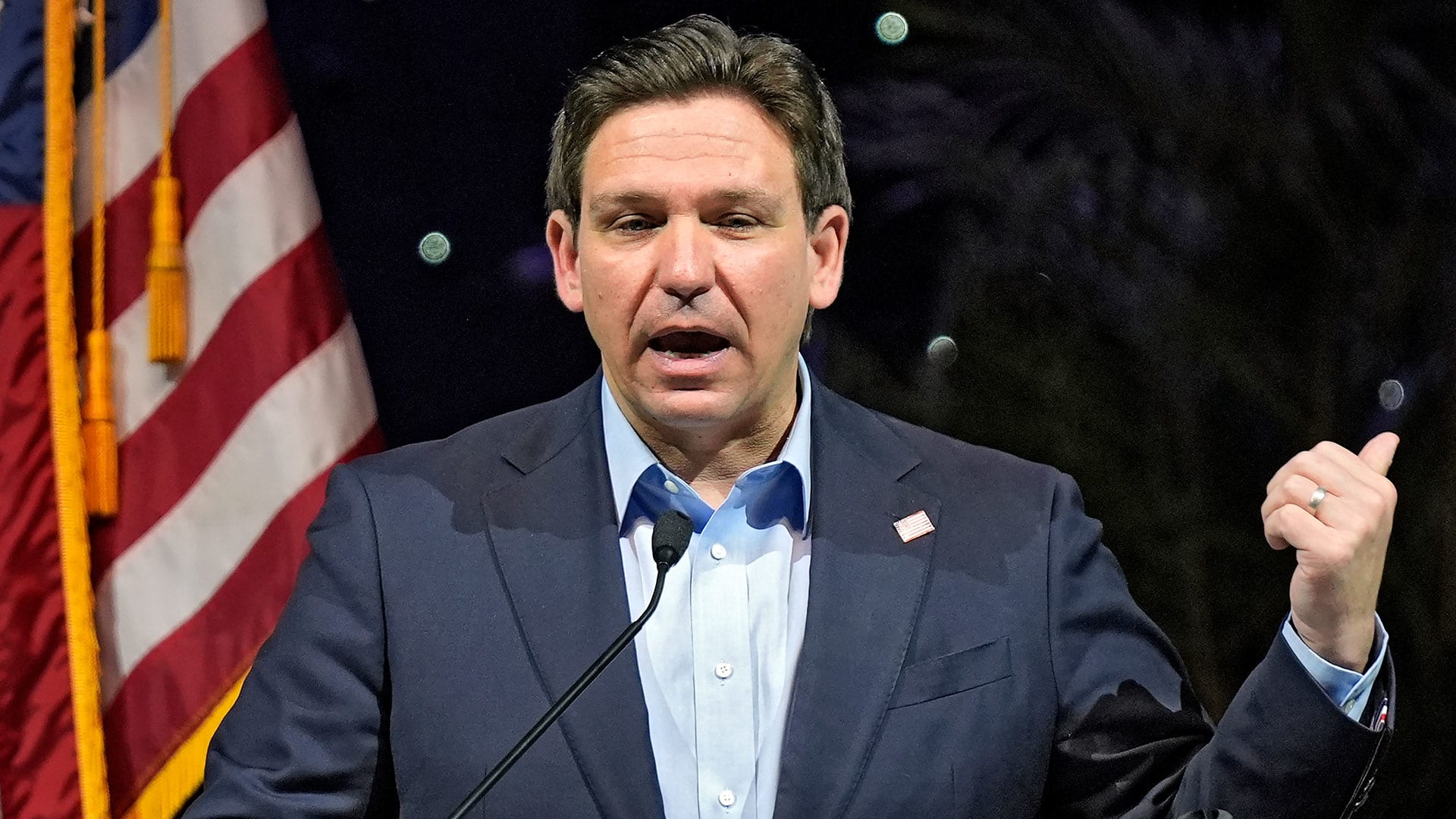
Despite these challenges, Florida’s political leaders have largely sided with wealthy donors and corporations rather than ordinary citizens.
Legislation has favored insurance companies, developers, and political insiders, often at the expense of transparency, fairness, and public welfare.
For example, reforms have made it harder for homeowners to sue insurance companies, even as premiums climb uncontrollably.
Infrastructure projects, such as the $68 billion Moving Florida Forward initiative, promise improvements in transportation, but these efforts do little to address affordability or the root causes driving people away.
Building more roads won’t help if families cannot afford to live in the communities they serve.
The state could have taken numerous steps to mitigate these crises: implementing strong rent controls, requiring affordable housing in new developments, cracking down on insurance company abuses, ensuring Medicaid settlements benefit patients, enforcing environmental protections, expanding healthcare access, and safeguarding education funding.

Instead, political priorities have consistently favored special interests.
The question now is whether Florida’s leaders will act before the state loses even more residents and the quality of life deteriorates further.
Investigations into political scandals, lawsuits over insurance practices, and public pressure could spur change.
But without meaningful reform, Florida risks becoming an unaffordable political playground for the wealthy rather than a welcoming home for all.
For the hundreds of thousands struggling with housing costs, the millions facing rising insurance premiums, the children caught in education battles, and the communities battling environmental threats, the stakes could not be higher.
Florida deserves leaders who put people first, transparency over secrecy, and solutions over self-interest.
As the Sunshine State faces this crossroads, the future depends on whether citizens demand accountability and whether those in power choose to serve the public good—or continue down a path that leaves everyday Floridians behind.
News

😱 Is Ian Gillan Next? Shocking Retirement Rumors Emerge After David Coverdale’s Exit! 😱 – HTT
😱 Is Ian Gillan Next? Shocking Retirement Rumors Emerge After David Coverdale’s Exit! 😱 In the world of rock music,…

😱 The Shocking Truth Behind Ian Gillan’s Retirement Plans: Is It Time to Say Goodbye? 😱 – HTT
😱 The Shocking Truth Behind Ian Gillan’s Retirement Plans: Is It Time to Say Goodbye? 😱 Ian Gillan, the legendary…

😱 Is 3I/ATLAS a Cosmic Seed or a Galactic Trojan Horse? Prepare to Be Amazed! 😱 – HTT
New Evidence Sheds Light on the Enigmatic 3I/ATLAS: A Cosmic Visitor Defying Expectations Since the dawn of telescopic astronomy, interstellar…

😱 From Waltz to Heartfelt Confession: Andre Rieu’s Emotional Birthday Surprise! 😱 – HTT
😱 From Waltz to Heartfelt Confession: Andre Rieu’s Emotional Birthday Surprise! 😱 What’s the one love song that always melts…

😱 From Wedding Fiddler to Billboard King: How Andre Rieu Redefined Classical Music! 😱 – HTT
😱 From Wedding Fiddler to Billboard King: How Andre Rieu Redefined Classical Music! 😱 Andre Rieu did the unthinkable. He…
😱 Heartbreak in Rock: The Real Reason Behind Ace Frehley’s Untimely Death! 😱 – HTT
😱 Heartbreak in Rock: The Real Reason Behind Ace Frehley’s Untimely Death! 😱 Ace Frehley, the legendary guitarist and founding…
End of content
No more pages to load






