😱 Insurance Hikes & Special Assessments Destroy Florida Homeowners’ Dreams! 😱
South Florida’s condo market was once hailed as the crown jewel of Florida’s real estate boom.
Towering luxury developments rose along the coastline, attracting hordes of newcomers—from retirees seeking sunshine to remote workers chasing flexibility, and investors chasing quick profits.
Between 2020 and 2021, Florida’s population surged by over 220,000 people, with Palm Beach, Miami-Dade, and Broward counties absorbing tens of thousands of new residents each year.
The influx fueled a frenzied demand for housing.
Listings vanished within days, bidding wars erupted over even modest two-bedroom units, and cash offers sidelined many local buyers.

Developers raced to keep pace, launching projects on nearly every available parcel.
By the end of 2024, median condo prices soared past $410,000—a 19% jump in just a year.
Miami Beach saw two-bedroom units double in price, while penthouses flipped for millions in record time.
The state’s governor basked in the glow of ribbon cuttings and photo ops, touting the skyline as proof of Florida’s prosperity.
But beneath the surface, warning signs emerged.
Cash buyers dominated nearly half of Miami-Dade’s condo sales by late 2024, pushing prices beyond the reach of many locals.
Debt-to-income ratios stretched thin, appraisals lagged, and adjustable rate mortgages proliferated.
The market’s foundation rested on fragile optimism.
The tipping point came with the collapse of Florida’s insurance market.
Between 2022 and 2025, six major carriers abruptly exited the state, including United Property Insurance in August 2025—right before peak hurricane season.
Over 600,000 homeowners lost private coverage in under three years, triggering a cascade of obstacles.
Mortgage approvals froze when buyers couldn’t secure valid insurance.

Condo closings stalled mid-escrow, with deposits sometimes lost overnight.
Entire buildings in Miami Beach and Fort Lauderdale became uninsurable, blacklisted regardless of price.
Citizens Property Insurance, the state’s insurer of last resort, ballooned to cover over 1.3 million properties, nearly one in eight homes statewide.
Insurance premiums skyrocketed.
In Broward County, annual premiums doubled to over $6,200, nearly triple the national average.
Miami-Dade condo owners faced similar hikes, compounded by special assessments to keep master policies afloat.

Associations passed these costs directly to residents, forcing many to sell rather than shoulder the bills.
The insurance crisis turned closings into high-stakes gambles.
Lenders demanded proof of paid coverage before releasing funds.
Any lapse meant a deal’s collapse.
Older waterfront buildings struggled to find coverage at all, rendering units unsellable.
Families who once dreamed of coastal living faced quotes that erased hope.
Mortgage payments surged alongside insurance.
A median-priced condo now demanded over $2,100 monthly—nearly double the cost three years prior.
For many Miami households, mortgage payments consumed more than half their take-home pay before taxes and fees.
Lending standards tightened, requiring higher down payments and stricter debt ratios.
The widening gap between earnings and housing costs locked many out of the market.
Buyers who qualified in 2022 found their purchasing power evaporated.

Teachers, nurses, and small business owners—the backbone of communities—were priced out.
Open houses filled with curious faces but ended without offers.
Investors recoiled as carrying costs soared and rental yields shrank.
Large firms shifted capital to steadier markets, while small landlords hesitated.
The result: a glut of listings but a scarcity of qualified buyers.
Miami-Dade, Broward, and Palm Beach counties now hold nearly 41,000 unsold condos—a 61% increase in just one year.
Where sellers once secured contracts within weeks, listings linger for months.
Towers stand with empty balconies, a stark reminder of the market’s reversal.
Real estate agents speak quietly of anxiety and hesitation.
Pending sales unravel over missing inspection reports or lenders rejecting buildings flagged for deferred maintenance.
In Fort Lauderdale, over 20% of contracts collapsed in July 2025—the highest rate nationwide.
Stories of heartbreak multiply: couples losing tens of thousands in escrow when mortgage approvals vanish due to lapsed insurance.

Sellers desperate to close deals cut prices, cover closing costs, or pay association dues on buyers’ behalf.
Condo boards grapple with dwindling liquidity.
To entice buyers, some loosen rental restrictions or adjust pet policies.
Yet the stalemate persists: sellers unwilling to lower prices further, buyers unwilling to risk overpaying.
The condo boom built on population growth, easy credit, and optimism has morphed into a fragile landscape of stalled deals and silent towers.
The fragility was laid bare when Hurricane Erin struck in September 2025.
More than half of pending contracts collapsed in a single week, sending shockwaves through the market.
State officials scrambled with urgent directives amid disputes with local governments over inspections and compliance.
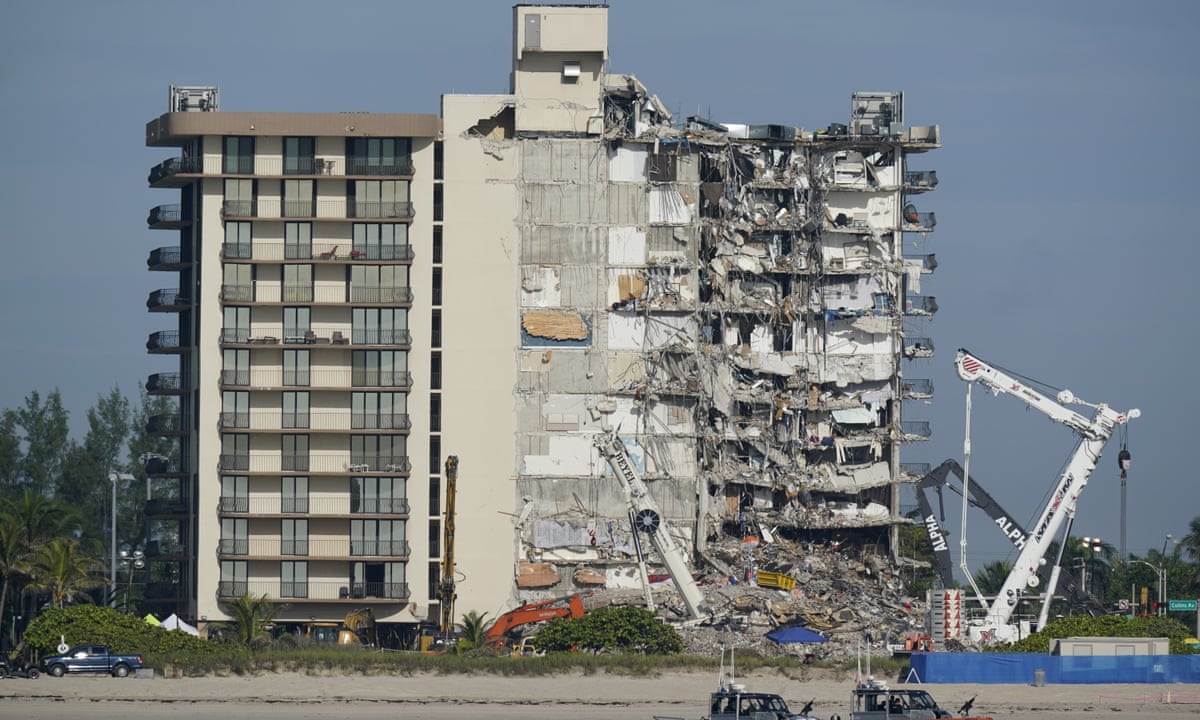
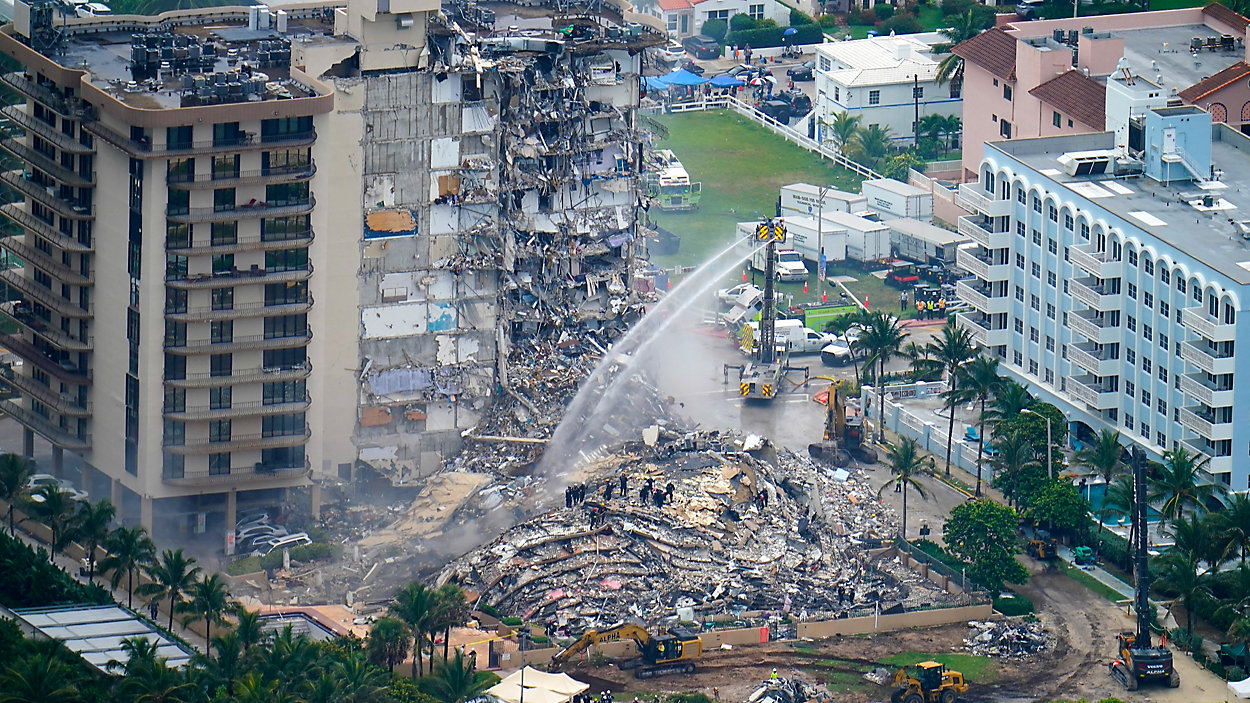
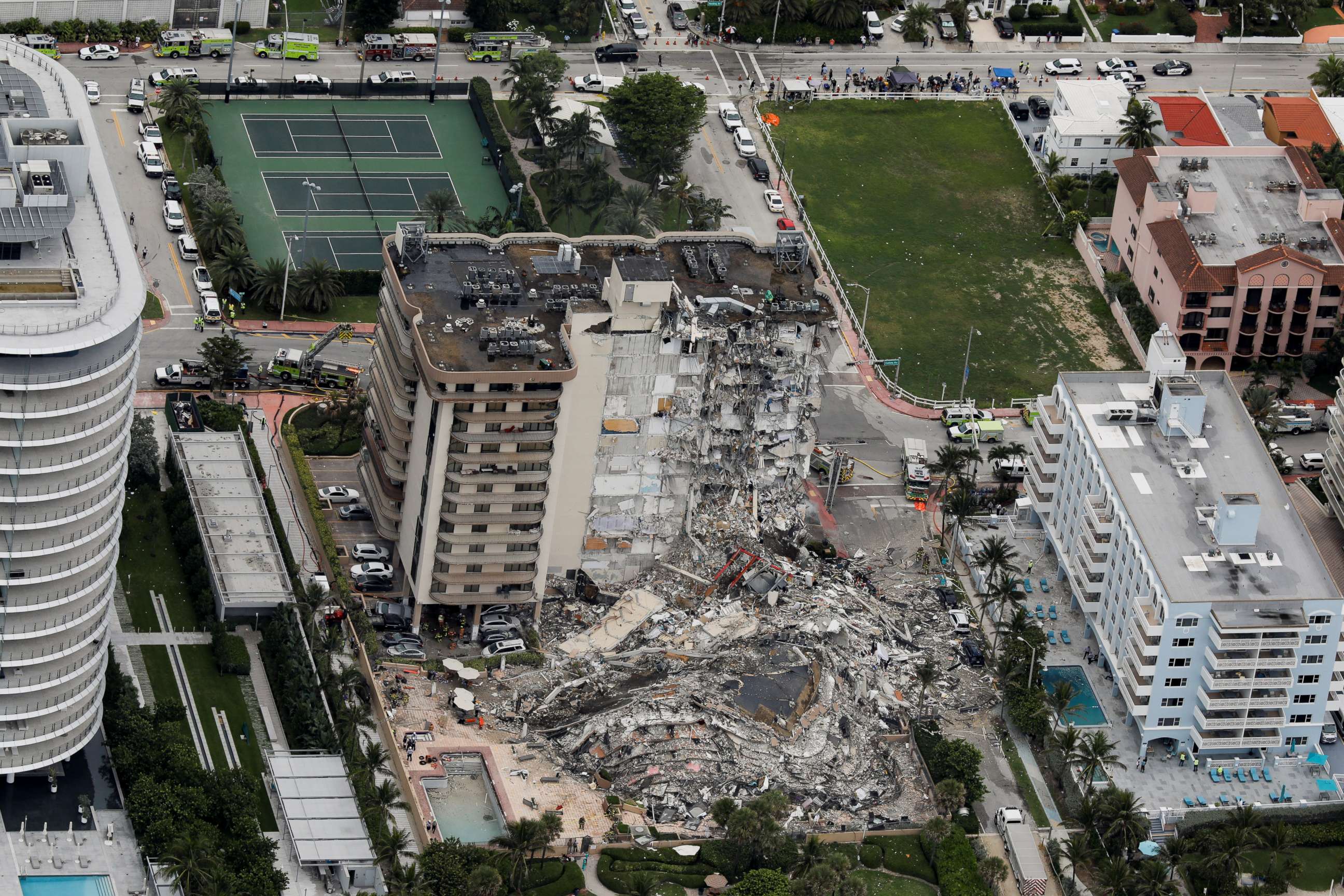
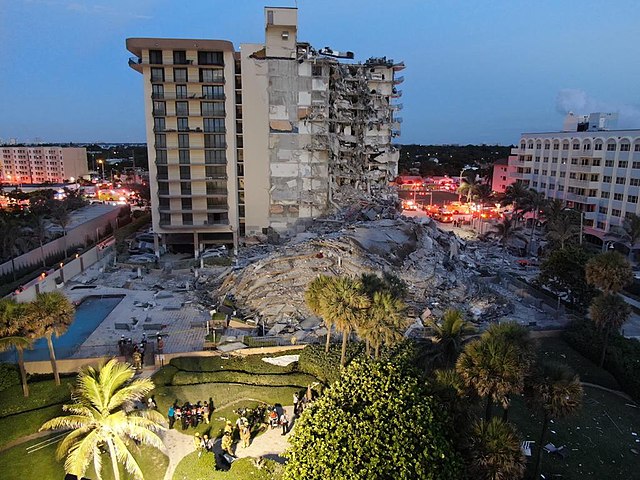
Compounding the crisis is a state mandate born from the 2021 Surfside condo collapse.
All condo buildings three stories or taller must complete structural integrity reserve studies by the end of 2025.
The reports reveal massive repair costs, forcing boards to levy special assessments that can reach tens of thousands per unit.
Many owners—retirees, single parents, working families—face impossible bills.
Some associations demand lump sums as high as $80,000 per unit.
For those unable to pay, foreclosure or forced sales loom.
Older buildings, especially those built before 1980, reveal decades of decay: crumbling concrete, corroded plumbing, and failing roofs.
The human toll is profound.
Homeowners gather at protests, holding signs that display mortgage balances, insurance premiums, and unpaid assessments, pleading for relief.
The crisis threatens not only individual finances but the very fabric of Florida’s coastal communities.

The Governor’s panic reflects the gravity of the situation.
As insurance markets collapse, mortgage rules tighten, and repair costs soar, Florida’s condo dream hangs by a thread.
Whether state and local leaders can bridge divides and stabilize the market before another storm strikes remains uncertain.
South Florida’s condo market is at a crossroads.
It faces a choice between painful adjustment and prolonged decline.
The outcome will shape the future of one of America’s most iconic real estate regions.
News

😱 Is Ian Gillan Next? Shocking Retirement Rumors Emerge After David Coverdale’s Exit! 😱 – HTT
😱 Is Ian Gillan Next? Shocking Retirement Rumors Emerge After David Coverdale’s Exit! 😱 In the world of rock music,…

😱 The Shocking Truth Behind Ian Gillan’s Retirement Plans: Is It Time to Say Goodbye? 😱 – HTT
😱 The Shocking Truth Behind Ian Gillan’s Retirement Plans: Is It Time to Say Goodbye? 😱 Ian Gillan, the legendary…

😱 Is 3I/ATLAS a Cosmic Seed or a Galactic Trojan Horse? Prepare to Be Amazed! 😱 – HTT
New Evidence Sheds Light on the Enigmatic 3I/ATLAS: A Cosmic Visitor Defying Expectations Since the dawn of telescopic astronomy, interstellar…

😱 From Waltz to Heartfelt Confession: Andre Rieu’s Emotional Birthday Surprise! 😱 – HTT
😱 From Waltz to Heartfelt Confession: Andre Rieu’s Emotional Birthday Surprise! 😱 What’s the one love song that always melts…

😱 From Wedding Fiddler to Billboard King: How Andre Rieu Redefined Classical Music! 😱 – HTT
😱 From Wedding Fiddler to Billboard King: How Andre Rieu Redefined Classical Music! 😱 Andre Rieu did the unthinkable. He…

😱 Heartbreak in Rock: The Real Reason Behind Ace Frehley’s Untimely Death! 😱 – HTT
😱 Heartbreak in Rock: The Real Reason Behind Ace Frehley’s Untimely Death! 😱 Ace Frehley, the legendary guitarist and founding…
End of content
No more pages to load